

ISO/IEC JTC 1/SC 37
Biometrics
August 2024
Scope and mission
The scope of ISO/IEC JTC 1/SC 37 is the “Standardization of generic biometric technologies pertaining to human beings to support interoperability and data interchange among applications and systems.” Generic human biometric standards include:
- Data abstraction and encapsulation
- Biometric application programming interfaces
- Biometric data interchange formats
- Related biometric profiles
- Application of evaluation criteria to biometric technologies
- Methodologies for performance testing and reporting
- Cross jurisdictional and societal aspects
The mission of ISO/IEC JTC 1/SC 37 is to ensure a comprehensive and high priority, worldwide approach for the development and approval of international biometric standards.
Work done by ISO/IEC JTC 1/SC 37 complements but does not include:
- Work covered by ISO/IEC JTC 1/SC 17 for applying biometric technologies to cards and personal identification
- Work covered by ISO/IEC JTC 1/SC 27 for biometric data protections techniques, biometric security testing, evaluations, and evaluations methodologies
History
ISO/IEC JTC 1/SC 37 was established in August 2002, after the approval of a proposal submitted by the American National Standards institute (ANSI) to ISO/IEC JTC 1 for the establishment of a new JTC 1 subcommittee on biometrics. The main purpose of the new subcommittee was to provide an international venue that would harmonize and accelerate formal international biometric standardization, resulting in better interoperability, reliability, usability, and security for future standards-based systems and applications. With better interoperability between biometrics systems, and documented and improved performance of those systems, the success of these applications would be much more likely. ISO/IEC JTC 1/SC 37 was created with the intent that it would create standards that could support the rapid deployment of open systems, standards-based security solutions for a number of purposes, such as personal authentication, prevention of identity theft, and automated border control. Standards developed by ISO/IEC JTC 1/SC 37 supports a wide range of systems and applications that provide accurate and reliable verification and identification of individuals. The subcommittee has published a significant number of standards pertaining to biometrics in the areas of technical interfaces, data interchange formats, performance and biometric and application profiles. Other topics within biometrics that have already, or are currently, being addressed by ISO/IEC JTC 1/SC 37 are presentation attack detection testing standards, biometric sample quality quantification standards, biometric data interchange standards (e.g. for DNA typing information) and generic technical best practices, guidance, and implementation requirements that support improved performance and better interoperability of biometric applications. The Subcommittee also addresses cross jurisdictional issues related to the utilization of biometric technologies in commercial applications
Structure and Working Groups
ISO/IEC JTC 1/SC 37 is currently comprised of six Working Groups (WGs), each of which carries out specific tasks in standards development within the field of biometrics. The focus of each Working Group is described in the group’s Terms of Reference (TOR). The WG TOR, current standards activities, published standards and future plans are reflected in the WG roadmaps. The Working Groups of ISO/IEC JTC 1/SC 37 are:
| Working Group | Working Area | Activity |
| ISO/IEC JTC 1/SC 37/WG 1 | Harmonized Biometric Vocabulary | WG 1 is responsible for the development of a Harmonized Biometric Vocabulary, published as ISO/IEC 2382-37. The main purpose of this work is to provide a systematic description of the concepts in the subject field of biometrics and to clarify the use of the terms in this subject field. The working group supports ISO/IEC JTC 1/SC 37’s goals by responding to requests from SC 37 or its WGs to harmonize new and relevant terms initiated. That service extends also to other organizations such as the ISO/IEC JTC 1 SCs, ISO Technical Committees and, importantly, the ISO/IEC JTC 1 SC 37 Liaison organizations. |
| ISO/IEC JTC 1/SC 37/WG 2 | Biometric Technical Interfaces | WG 2 addresses necessary interfaces and interactions between biometric components and sub-systems, as well as the possible use of security mechanisms to protect stored data and data transferred between systems. Responsibilities of this group include the development of the ISO/IEC 19784, Information technology—Biometric application programming interface (BioAPI), and the ISO/IEC 19785, Information technology — Common Biometric Exchange Formats Framework (CBEFF) multi-part standards. Versions of these standards have already been published in previous years. |
| ISO/IEC JTC 1/SC 37/WG 3 | Biometric Data Interchange Formats | WG 3 addresses the standardization of the content, meaning, and representation of biometric data formats which are specific to a particular biometric technology or technologies. WG 3 responsibility includes the development of the multipart ISO/IEC 39794 Information technology – Extensible biometric data interchange format standards that include specifications for formatting and collection for data from multiple biometric modalities – see, for example, the ISO/IEC 39794-5 standard supporting automated face recognition. The WG supports those by also developing associated quality quantification standards – see for example ISO/IEC 29794-4 for fingerprint images. The WG is active in developing presentation attack detection standards also. |
| ISO/IEC JTC 1/SC 37/WG 4 | Technical Implementation of Biometric Systems | The initial focus of WG 4 was the development of biometric profiles and application-focused standards. Biometric profiles specify what base standards apply and what options and ranges of values in those base standards are necessary and sufficient to ensure biometric interoperability for a particular set of application functions. This work led to a three-part international standard, ISO/IEC 24713 Information technology — Biometric profiles for interoperability and data interchange. Areas being addressed include: biometric enrolment; biometrics use with mobile biometrics; best practices for implementing biometric systems; use of biometrics in video surveillance systems and design and specification and biometric recognition in automated border control systems. Currently the WG is developing guidance on recognition of subjects-in-motion in access related systems, and specifications for cameras and capture subsystems that are face-aware. |
| ISO/IEC JTC 1/SC 37/WG 5 | Biometric Testing and Reporting | WG 5 addresses the standardization of testing and reporting methodologies and metrics that cover biometric technologies, systems and components. It is responsible for the development of the ISO/IEC 19795 Information technology—Biometric performance testing and reporting multi-part standard. The latest part ISO/IEC 19795-10 is under development to quantify demographic dependencies. WG 5 is also addressing other performance and evaluation-related standards and technical reports to meet current biometric technology trends and future needs in this area such as an evaluation methodology for environmental influence. |
| ISO/IEC JTC 1/SC 37/WG 6 | Cross-Jurisdictional and Societal Aspects of Biometrics | WG6 supports the design and implementation of biometric technologies with respect to several cross-jurisdictional issues such as accessibility, health and safety, societal considerations and legal requirements. WG 6 is involved in the development of the multi-part standard ISO/IEC 24779 Information Technology — Cross-jurisdictional and societal aspects of implementation of biometric technologies – Pictograms, Icons and Symbols for use with Biometric Systems. WG 6 is also developing technical reports (some of them already published) such as ISO/IEC 29144 Information technology — Biometrics — The use of biometric technology in commercial Identity Management applications and processes and Information Technology — Biometrics — Guide on designing accessible and inclusive biometric systems, ISO/IEC TR 21421 – Information Technology – Biometrics – Biometrics and identity management for major incident response, and ISO/IEC TR 24119 – Information Technology – Biometrics — Use of biometrics for identity management in healthcare. |
Collaborations
ISO/IEC JTC 1/SC 37 works in close collaboration with a number of ISO technical committees (TCs), JTC 1 subcommittees, and external organizations:
- IEC/SC 3C – Graphical symbols for use on equipment
- ISO/IEC JTC 1 – Information technology
- ISO/IEC JTC 1/SC 17 – Cards and security devices for personal identification
- ISO/IEC JTC 1/SC 27 – Information security, cybersecurity and privacy protection
- ISO/IEC JTC 1/SC 42 – Artificial intelligence
- ISO/TC 68/SC 2 – Financial Services, security
- ISO/TC 68/SC 8 – Reference data for financial services
- ISO/TC 272 – Forensic sciences
- ISO/TC 307 – Blockchain and distributed ledger technologies
Organizations in liaison (Category A)
- EC – European Commission
- FIDO (Fast IDentity Online) Alliance
- IATA – International Air Transport Association
- IBIA – Biometric International Biometrics + Identity Association
- SBS – Small Business Standards
- UNHCR – United Nations High Commissioner for Refugees
Organizations in liaison (Category C)
- eu-LISA – European Union Agency for the Operational Management of Large-Scale IT Systems in the Area of Freedom, Security and Justice
- FRONTEX
- Interpol
Member countries
The 32 “P” (participating) members of ISO/IEC JTC 1/SC 37 are maintained here: https://www.iso.org/committee/313770.html?view=participation
Standards and Plenary Meetings
As of August 2024, ISO/IEC JTC 1/SC 37 has 141 published standards/technical reports (including amendments) in biometrics. A further 18 standards remain under development. The following plenary meetings of SC 37 have been held since 2002:
|
# |
Date |
City |
Country |
|
1. |
2002-12 11-13 |
Orlando |
USA |
|
2. |
2003-09 11-12 |
Rome |
Italy |
|
3. |
2004-06 14-15 |
Seoul |
Korea |
|
4. |
2005-07 04-05 |
Sun City |
South Africa |
|
5. |
2006-07 10-11 |
London |
UK |
|
6. |
2007-06 25-26 |
Berlin |
Germany |
|
7. |
2008-07 14-15 |
Busan |
Korea |
|
8. |
2009-07 13-14 |
Moscow |
Russian Federation |
|
9. |
2010-07 19-20 |
Melaka |
Malaysia |
|
10. |
2011-07 11-12 |
Kyoto |
Japan |
|
11. |
2012-07 16-17 |
Paris |
France |
|
12. |
2014-01 20-21 |
Darmstadt |
Germany |
|
13. |
2015-01 19-20 |
Toledo |
Spain |
|
14. |
2016-01 18-19 |
Martigny |
Switzerland |
|
15. |
2017-02 06-07 |
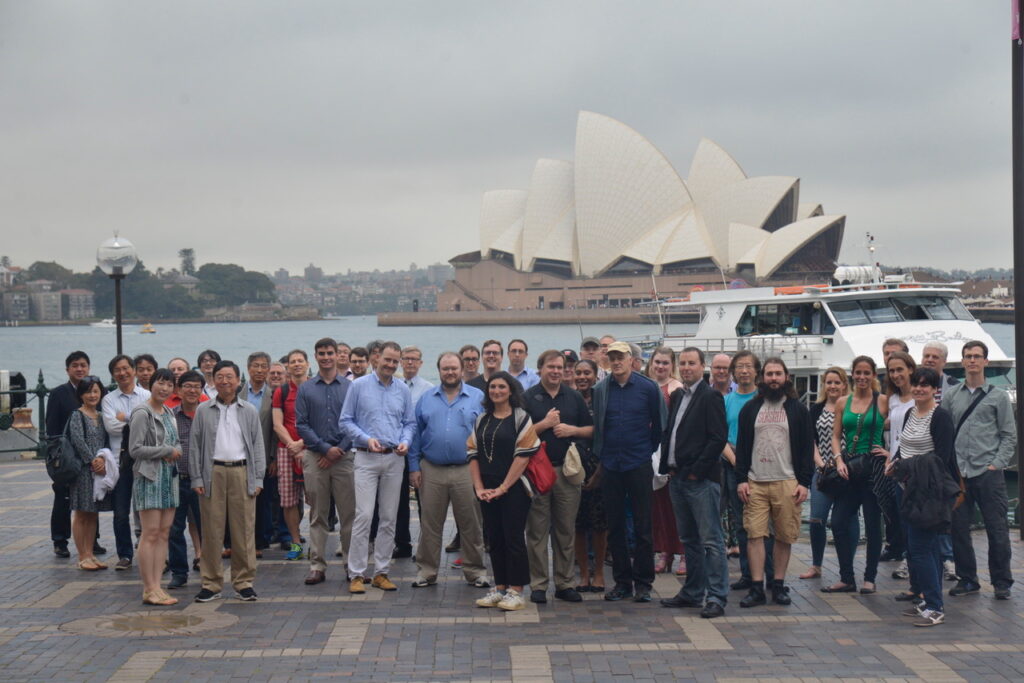
Sydney |
Australia |
|
16. |
2018-01 22-23 |
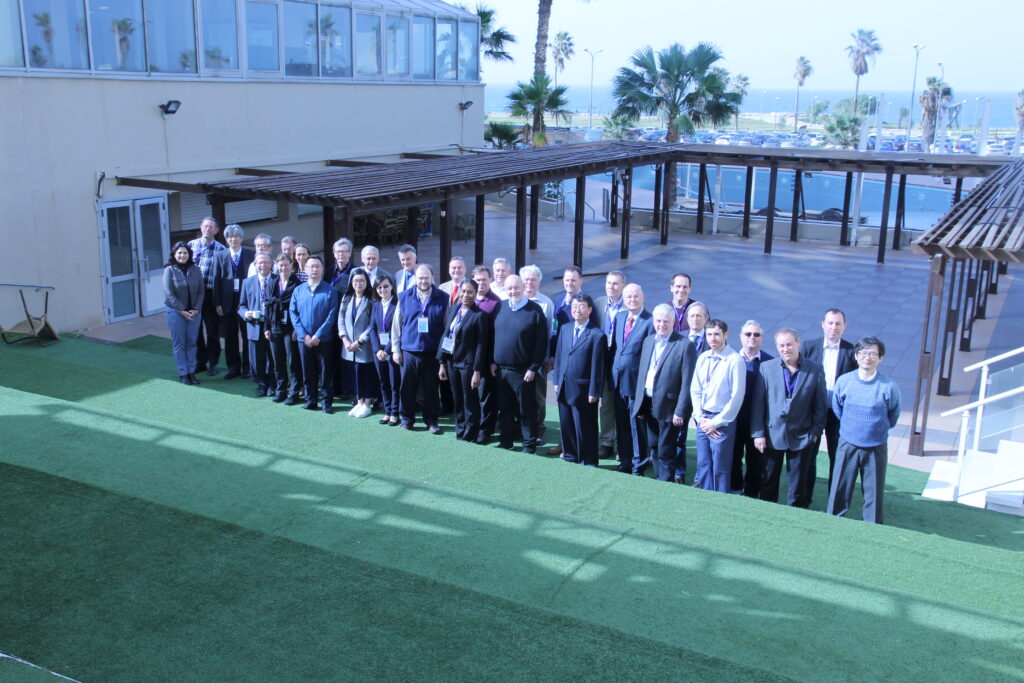
Tel Aviv |
Israel |
|
17. |
2019-01 22-23 |
Iquique |
Chile |
|
18. |
2020-01 20-24 |
New Orleans |
USA |
|
19. |
2021-02 09-10 |
Virtual |
ISO |
| 20. | 2022-02 08-09 | Virtual | ISO |
| 21. | 2023-02 07-08 | Virtual | ISO |
| 22. | 2024-01 08 and 12 | Okayama | Japan |
Each of the six SC 37 Working Groups meets twice a year. Generally the first set of meetings is held in conjunction with the Plenary.



2020 JTC 1/SC 37 Plenary in New Orleans, United States of America