JTC 1/SC 38
Cloud computing and distributed platforms
September 2025
Scope
The scope of SC 38 is
- Standardization in the area of Cloud Computing and Distributed Platforms including: Foundational concepts and technologies
- Operational issues, and
- Interactions among Cloud Computing systems and with other distributed systems
SC 38 serves as the focus, proponent, and systems integration entity on Cloud Computing, Distributed Platforms, and the application of these technologies. SC 38 provides guidance to JTC 1, IEC, ISO and other entities developing standards in these areas.
History
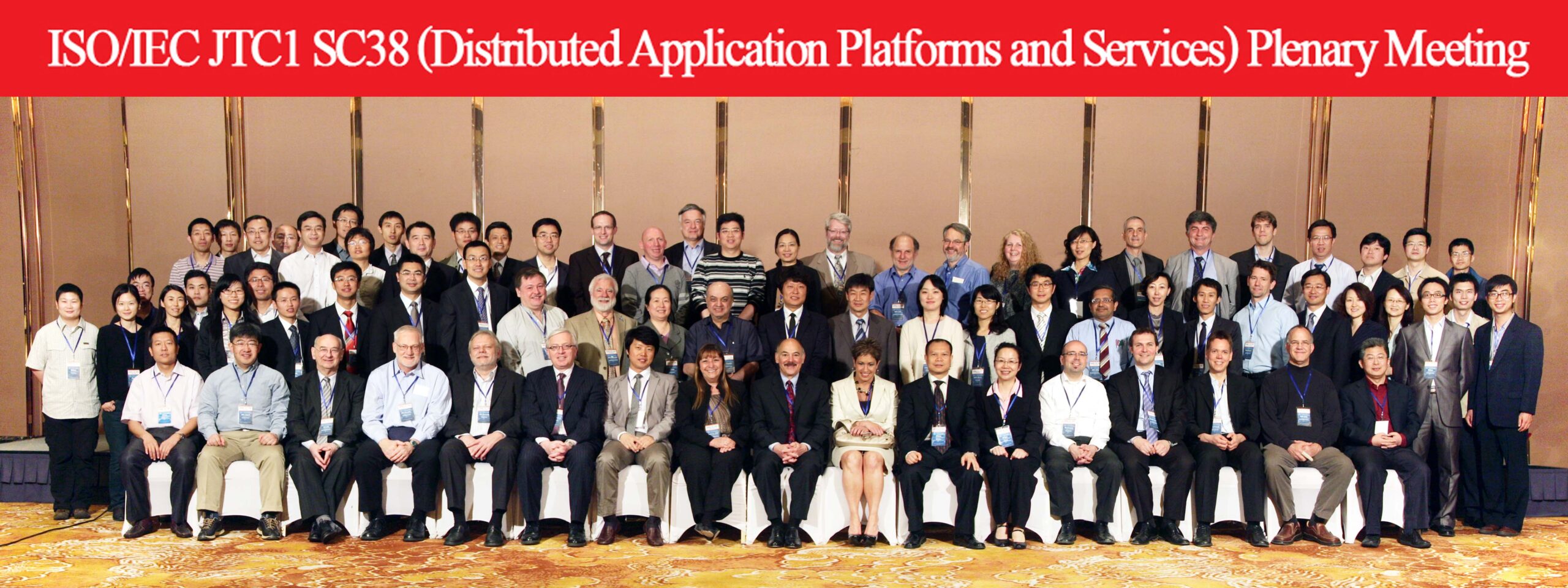
SC 38, Distributed Application Platform and Services, was established at the 2009 JTC 1 Plenary meeting in Tel Aviv, Israel to work in three related technology areas: Web Services, Service Oriented Architecture (SOA) and Cloud Computing. At its first Plenary meeting in April 2010 in Beijing, SC 38 established three subgroups:
Working Group 1 on Web Services
Terms of Reference:
- Maintain previously approved standards from WS-I PAS submissions: ISO/IEC 29361, ISO/IEC 29362, and ISO/IEC 29363.
- Maintain possible future JTC 1 PAS and Fast Track developed ISO/IEC standards in the area of Web Services.
- Investigate where web service related standardization is already ongoing in JTC 1 entities.
- Investigate gaps and commonalities in work in “iii” above.
Working Group 2 on Service Oriented Architecture (SOA)
Terms of Reference:
- Enumerate SOA principles.
- Coordinate SOA related activities in JTC 1.
- Investigate where SOA related standardization is already ongoing in JTC 1 entities.
- Investigate gaps and commonalities in work in “iii” above, such as SOA governance and management, the latter including lifecycle aspects.
- Liaise and collaborate with relevant SDOs and consortia related to SOA.
- Maintain possible future JTC 1 PAS and Fast Track developed ISO/IEC standards in the area of SOA.
Study Group on Cloud Computing (SGCC)
Terms of Reference:
- Provide a taxonomy, terminology and value proposition for Cloud Computing.
- Assess the current state of standardization in Cloud Computing within JTC 1 and in other SDOs and consortia beginning with document JTC 1 N 9687.
- Document standardization market/business/user requirements and the challenges to be addressed.
- Liaise and collaborate with relevant SDOs and consortia related to Cloud Computing.
- Hold open meetings to gather requirements as needed from a wide range of interested organizations.
- Provide a report of activities and recommendations to SC 38
Current Structure and Working Groups
As the program of work of SC 38 evolves, the title and structure of SC 38 are modified to accommodate the changing landscape. Working Groups and Study Groups are disbanded as their work comes to completion and new Working Groups and Study Groups are established to develop new work items.
SC 38 carries out its current active program of work utilizing the following structure:
Working Group 3 – Fundamentals
Terms of Reference:
- Projects related to Cloud Computing Service Agreements
- Projects related to fundamental concepts, terminology and definitions for Cloud Computing
- Projects related to guidance on the use of international standards in the development of policies that govern or regulate cloud service providers and cloud services, and policies that govern the use of cloud services in enterprise organizations
- Establish liaisons and collaborate with other entities within JTC 1, SDOs and consortia performing work related to Cloud Computing
Working Group 5 – Stakeholder Considerations
Terms of Reference
- Standardization in the area of data in cloud computing, distributed platforms, and related technologies, including but not limited to:
- Edge computing, federated or multi-cloud data platforms.
- Transparency in the control, use and sharing of data.
- Interoperability and portability in these environments.
- Mechanisms to address data and platform sovereignty concerns
- Establish liaisons and collaborate with other entities within and external to JTC 1 as appropriate
Working Group 6 – Data, interoperability and portability
Advisory Group 1 for Stakeholder Engagement
The Advisory Group for Stakeholder Engagement with the following Terms of Reference:
- Work to ensure engagement of SC 38 stakeholders in SC 38 standards and program of work.
- This includes, though not limited to, engagement with customers, users, brokers, providers, advocacy groups, consultants, auditors, governments, regulators, standards development organizations (including ISO and IEC) and Open Source communities.
- Organize workshops to promote and educate on SC 38’s standards and program of work, solicit input, identify gaps, encourage and grow engagement in SC 38.
- Create informational and educational material to advertise SC 38’s work.
- Engage with and leverage work done by JTC 1/AG 1, JTC 1/AG 10, JTC 1/AG 15 and SC 38/AG 5.
- Provide a report to each SC 38 plenary on its activities.
- Advisory Group will operate in expert mode and will be open to experts nominated by the SC 38 National Bodies and Liaison Organizations.
- The term of the AG is indefinite.
AG 1 Convenor: John Messina
AG 5 for Long-Term Strategy
The Advisory Group for Long-Term Strategy with the following Terms of Reference:
- Develop the vision, guidelines, and future direction for SC 38’s work in building a foundation describing the latest cloud computing and other distributed platforms.
- The vision, guidelines and the future direction should address the type of projects that facilitate customer adoption of cloud computing and other distributed computing platforms as well as facilitate and harmonize global regulatory efforts and soft laws in those areas.
- This includes addressing areas in need of core concepts, common vocabulary and core reference architecture.
- This should facilitate regulators and customers to have more effective and precise conversations with cloud service providers.
- Provide a forum for discussion, formulation, prioritization and socialization of long-term strategies and new standards projects prior to their submission for consideration by SC 38.
- Provide support for SC 38’s role as a system integration entity for distributed computing in order to collaborate with other SCs and SDOs.
- Provide a report to each SC 38 plenary with recommendations for National Body consideration.
Advisory Group 5 will operate in expert mode and will be open to experts nominated by the SC 38 National Bodies and Liaison Organizations.
AG 5 Convenor: Geoff Clarke
AG 6 on Collaboration with CEN-CENELEC/JTC 25
Terms of Reference:
- Review CEN-CENELEC/JTC 25 documents on existing and planned projects, including Preliminary Work Items, to identify opportunities for collaborative work with CEN-CENELEC/JTC 25;
- Proactively provide feedback to CEN-CENELEC/JTC 25 on existing or planned projects;
- Submit CIBs for SC 38 consideration to determine SC 38’s comments on, among other things, NWIP ballots, Enquiries, and Formal Votes;
- Submit a report and recommendations, if needed, for consideration for every SC 38 Plenary meeting;
AG 6 Convenor: Jarek Kowalski
SC 38 has also established Liaison Coordination Groups (LCGs) for between Plenary interaction with SC 7, SC 27, SC 41, SC 42, and JTC 1/WG 13. The Terms of Reference for these LCGs is as follows:
Liaison Coordination Group (LCG) Terms of Reference
Purpose: There may be times when an ISO, IEC or JTC 1 subcommittee requests input from SC 38 on a liaison statement or a document under development and the deadline for an SC 38 response falls in between SC 38 Plenary meetings. An LCG can prepare SC 38 responses to such requests when approval at an SC 38 Plenary meeting cannot be obtained on a timely basis. In such instances only, the designated members of the LCG will assist the designated SC 38 Liaison Representative in preparing a response on behalf of SC 38
Duration: An LCG is established by SC 38 resolution to exist until the next Plenary when it may be reconstituted or terminated.
Method of operation: The SC 38 Chair or Secretary will request the LCG to develop a response when one is needed from SC 38 between its Plenaries. The Liaison Representative may bring such items to the attention of the SC 38 Chair and Secretary. The SC 38 Secretary will post the relevant documents to the SC 38 document register and instruct the LCG to address them. The Liaison Representative will convene the group and keep the group informed. Email will be the normal and primary means of group discussion and dissemination of information. When necessary, the group may meet via teleconference at the discretion of the Liaison Representative, SC 38 Chair or Secretary.
Membership: The LCG is open to all SC 38 National Bodies and Liaison Organizations. Representatives from the SC seeking SC 38 input may also be invited to participate when needed.
Cooperations and liaison
SC 38 maintains a close liaison with numerous JTC 1 entities including JTC 1/SC 27 on IT Security Techniques, JTC 1/SC 41 on the Internet of Things and Related Technologies, JTC 1/SC42 on Artificial Intelligent as well as with many external organizations including the Cloud Security Alliance and OASIS.
Member countries
Click here to see which countries participate in SC 38.
Standards and plenary meetings
As of September 2024, SC 38 has 28 published standards/technical specification/technical reports
Click here for the list of published documents.
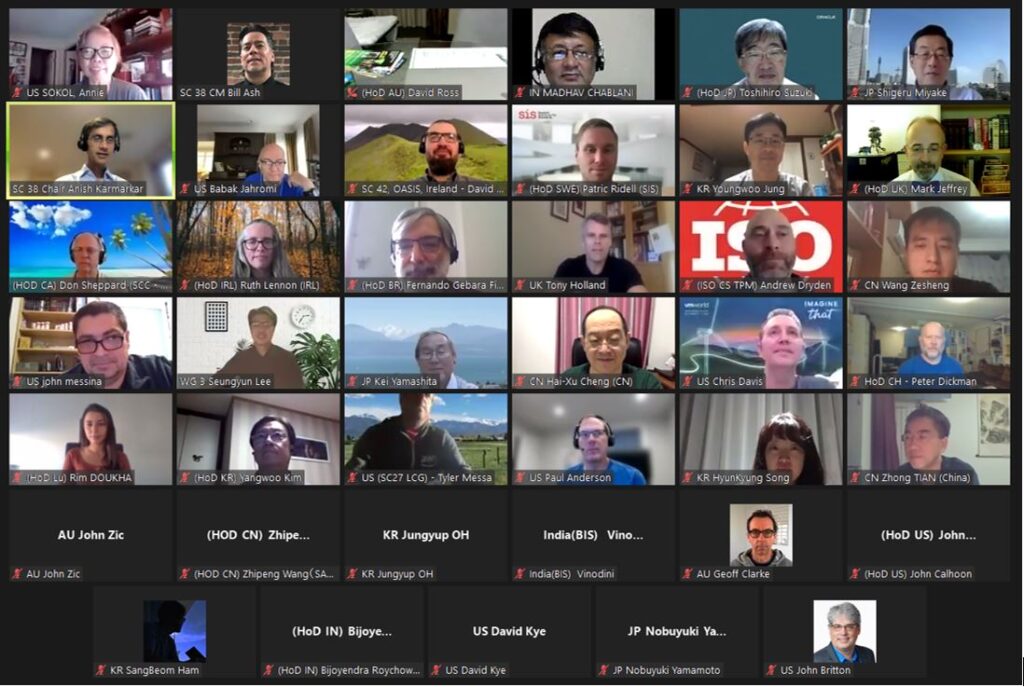
The following Plenary meetings of SC 38 have been held since 2010; Working Groups meet in conjunction with the Plenary.
- April 2010 in Beijing, CHINA
- October 2010 in New York USA
- April 2011 in Paris FRANCE
- September 2011 in Seoul KOREA
- May 2012 in Berlin, GERMANY
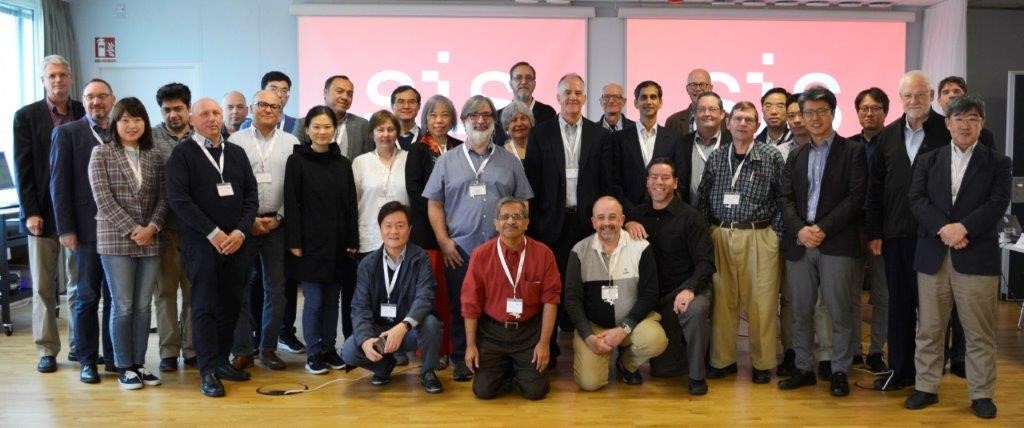
- September 2012 in Stockholm, SWEDEN
- April 2013 in Madrid, SPAIN
- September 2013 in Kobe, JAPAN
- May 2014 in Sydney, AUSTRALIA
- October 2014 in San Paulo, BRAZIL
- March 2015 in Vienna, AUSTRIA
- October 2015 in Dublin, IRELAND
- April 2016 in London, UK
- October 2016 in Berlin, Germany
- March 2017 in Chengdu, China
- September 2017 in San Jose, California, USA
- April 2018 in Warsaw, Poland
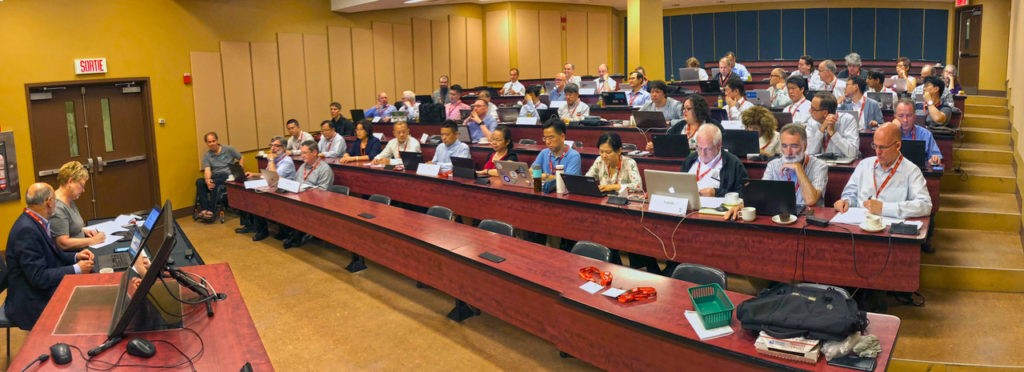
- August 2018 in Montreal, Canada
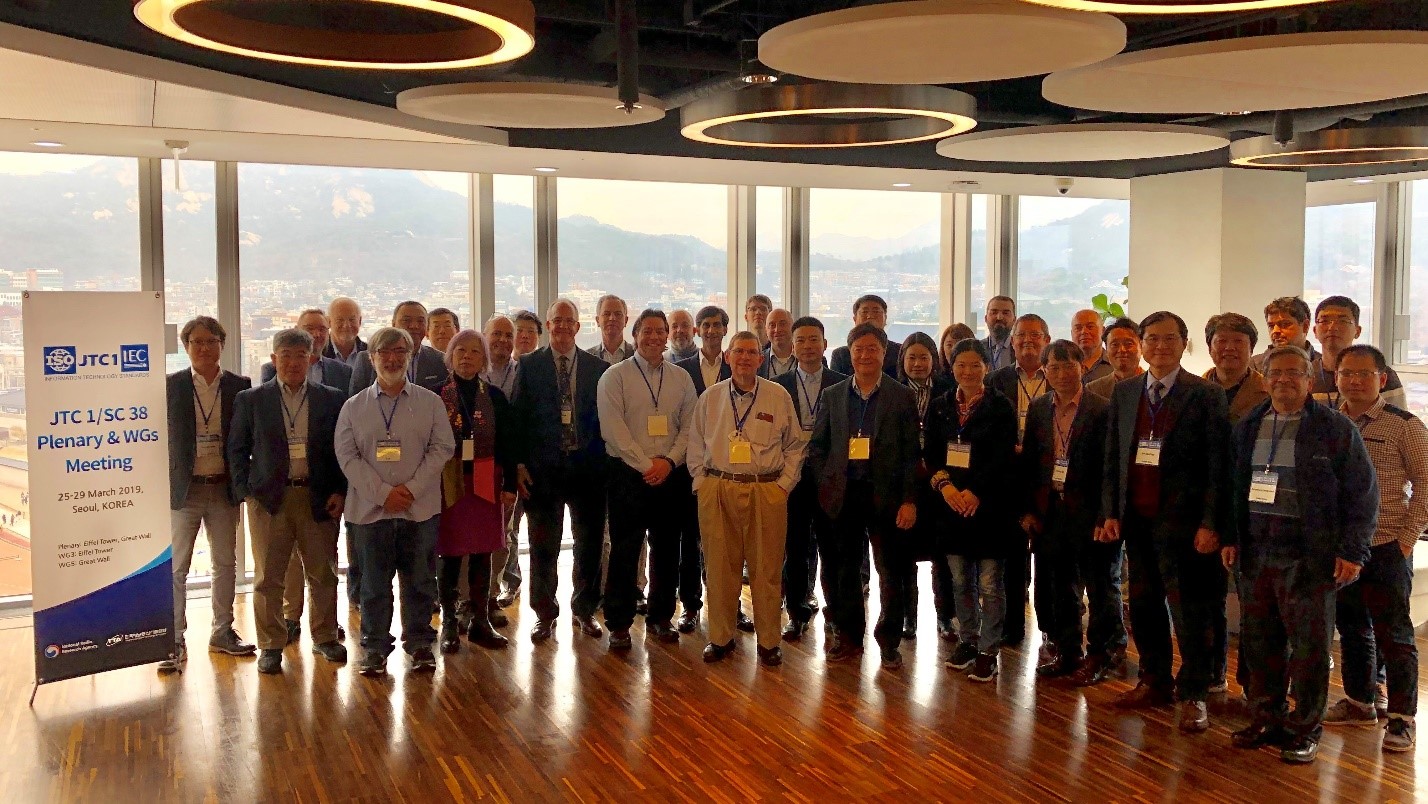
- March 2019 in Seoul, Korea
- September 2019 in Stockholm, Sweden
- March 2020 in Berlin, Germany
- September 2019 Virtual
- March 2021 Virtual
- September 2021 Virtual
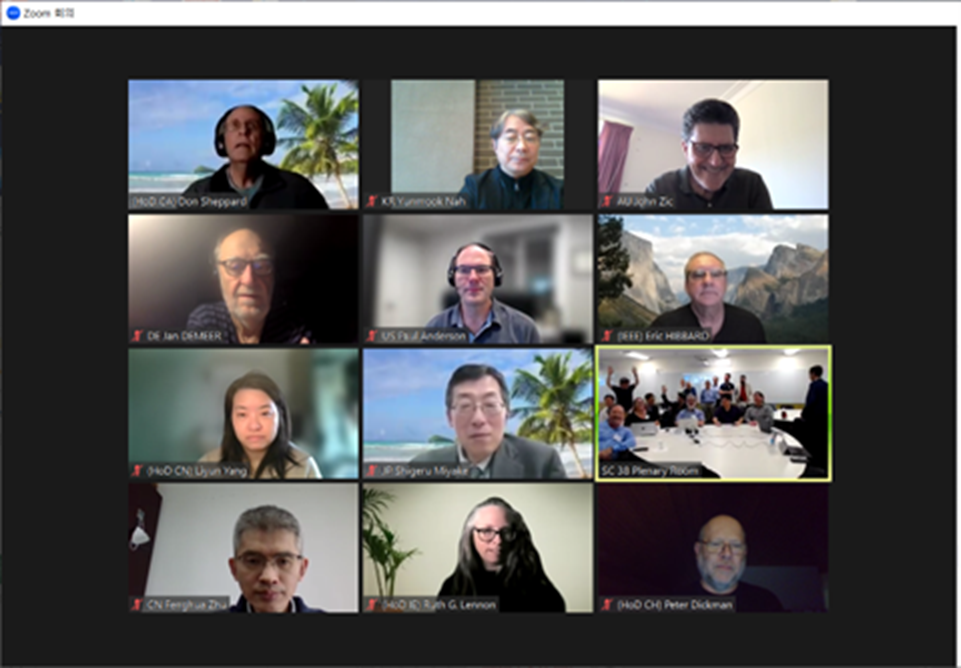
- March 2022 Virtual
- September 2022 in Sapporo, Japan
- March 2023 in Brisbane, Australia
- September 2023 in Washington D.C. USA
- March 2024 in Sao Paulo Brazil
- September 2024 in London, United Kingdom
- March 2025 in Berlin, Germany
- September 2025 in Letterkenny, Ireland
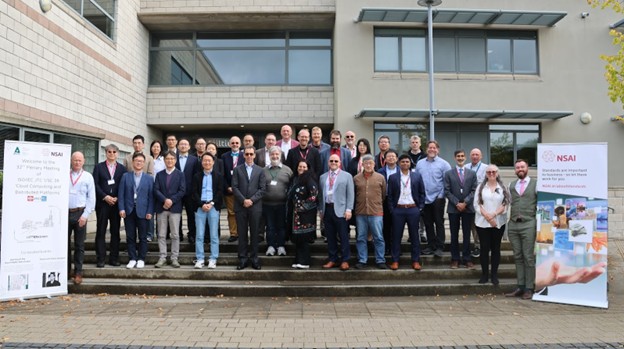
September 2025
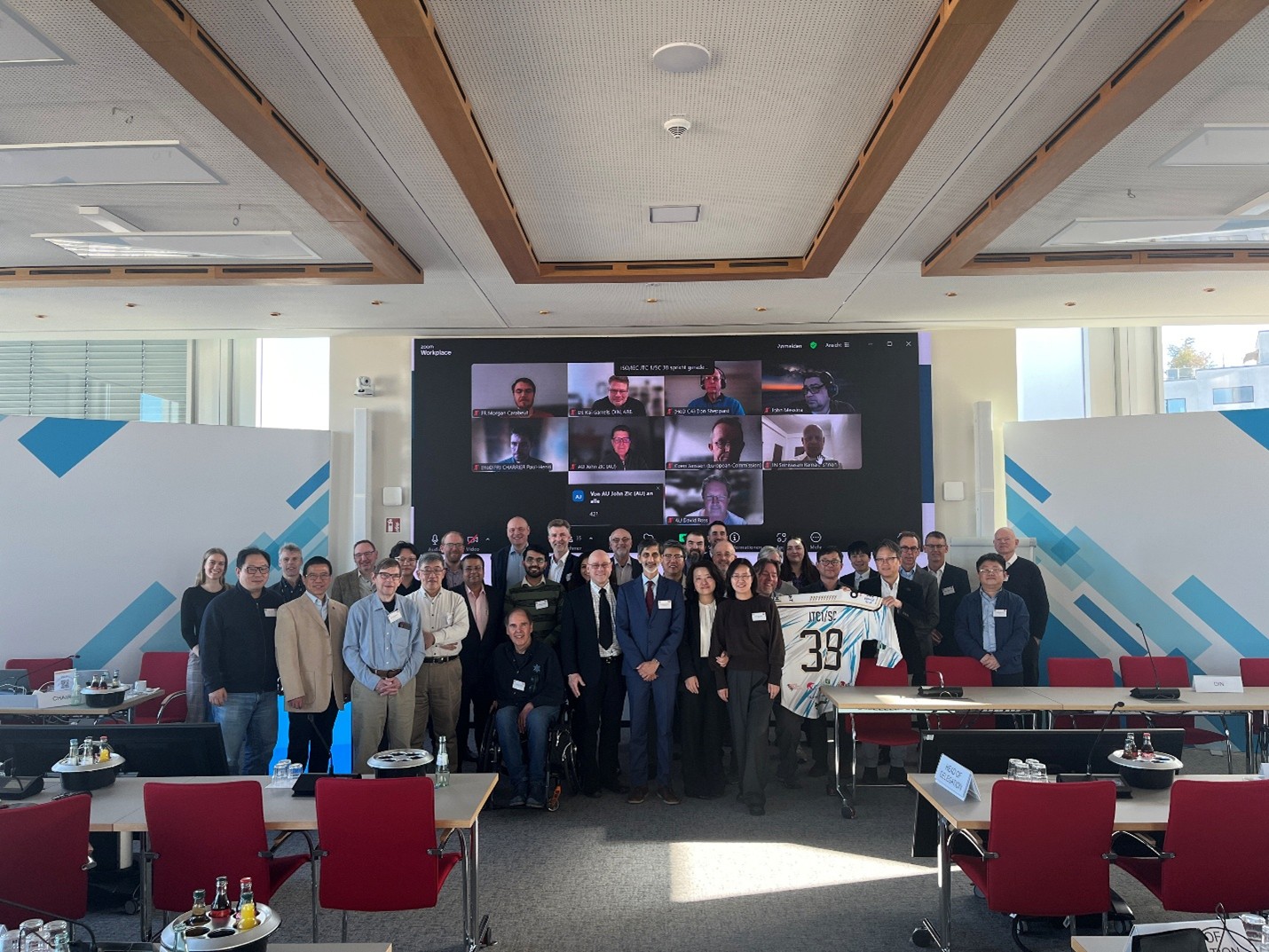
March 2025
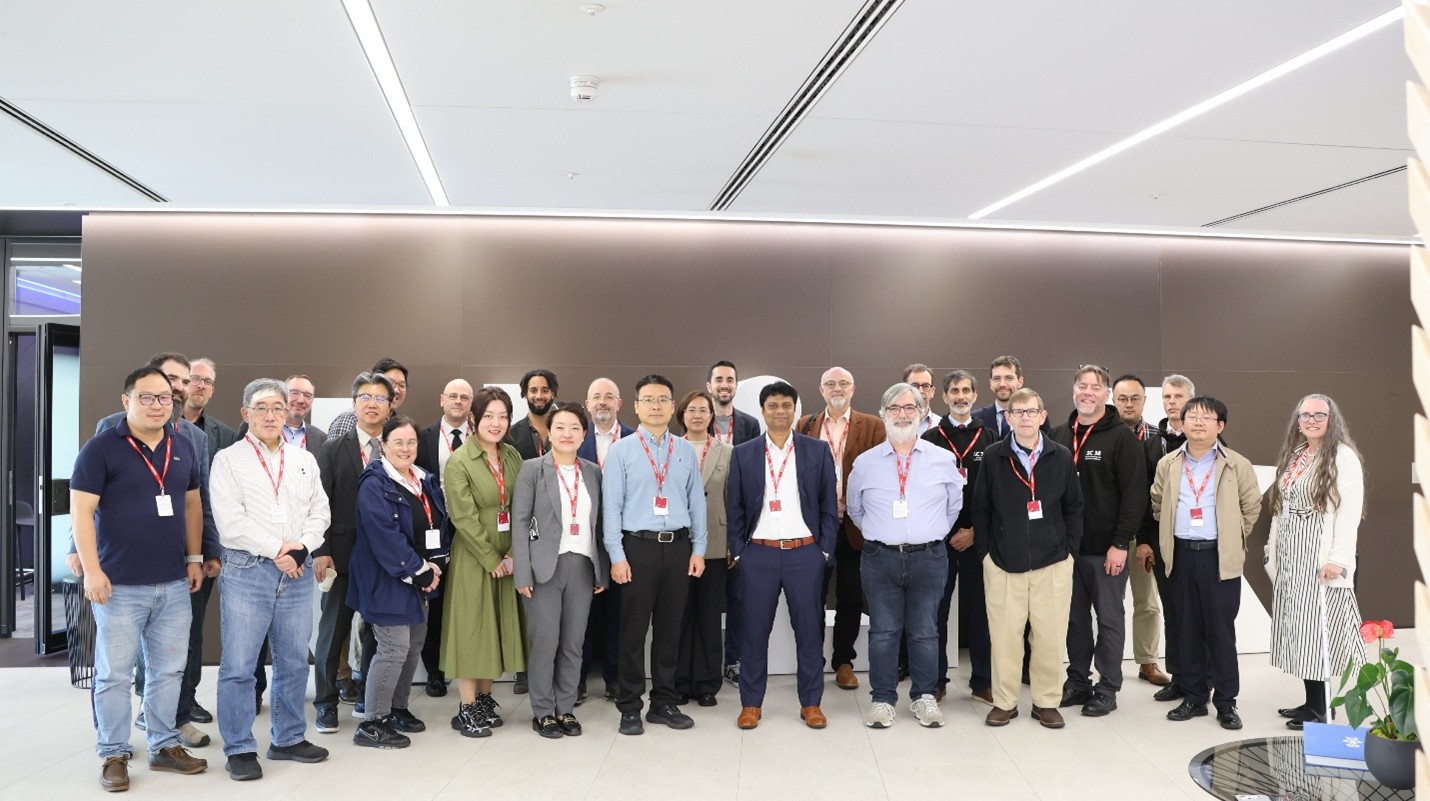
September 2024
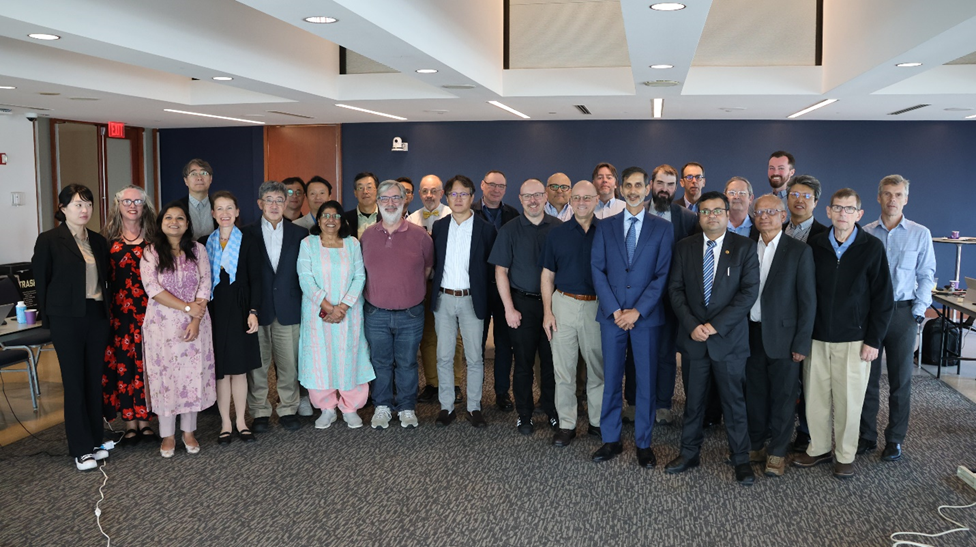
September 2023 Washington D.C.
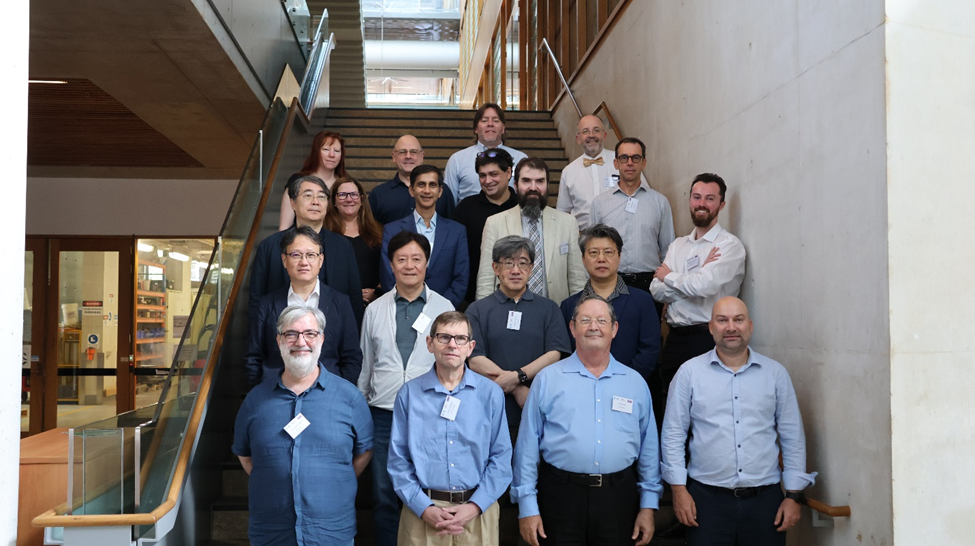
March 2023 Brisbane
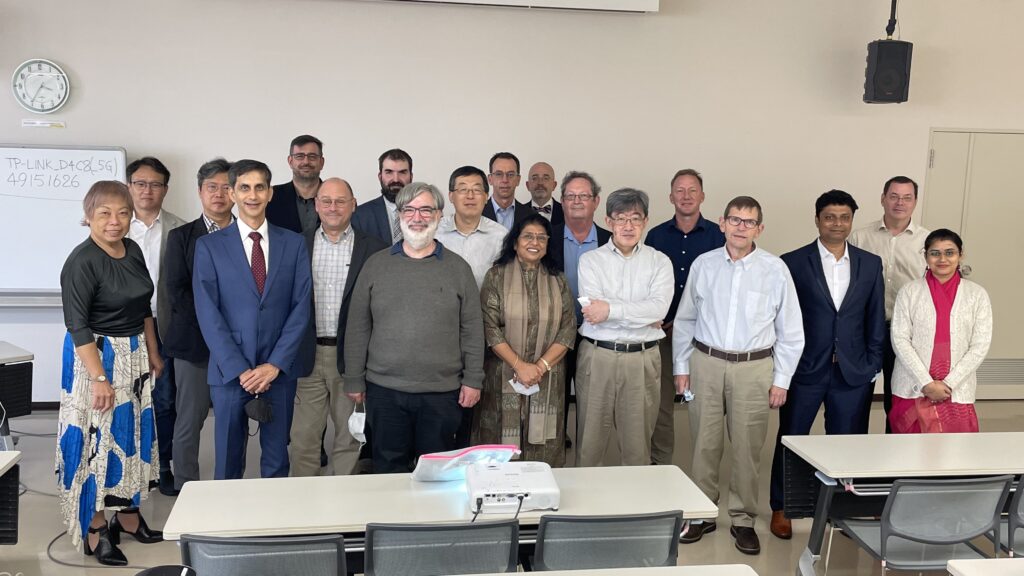
SC 38, Sapporo 2022
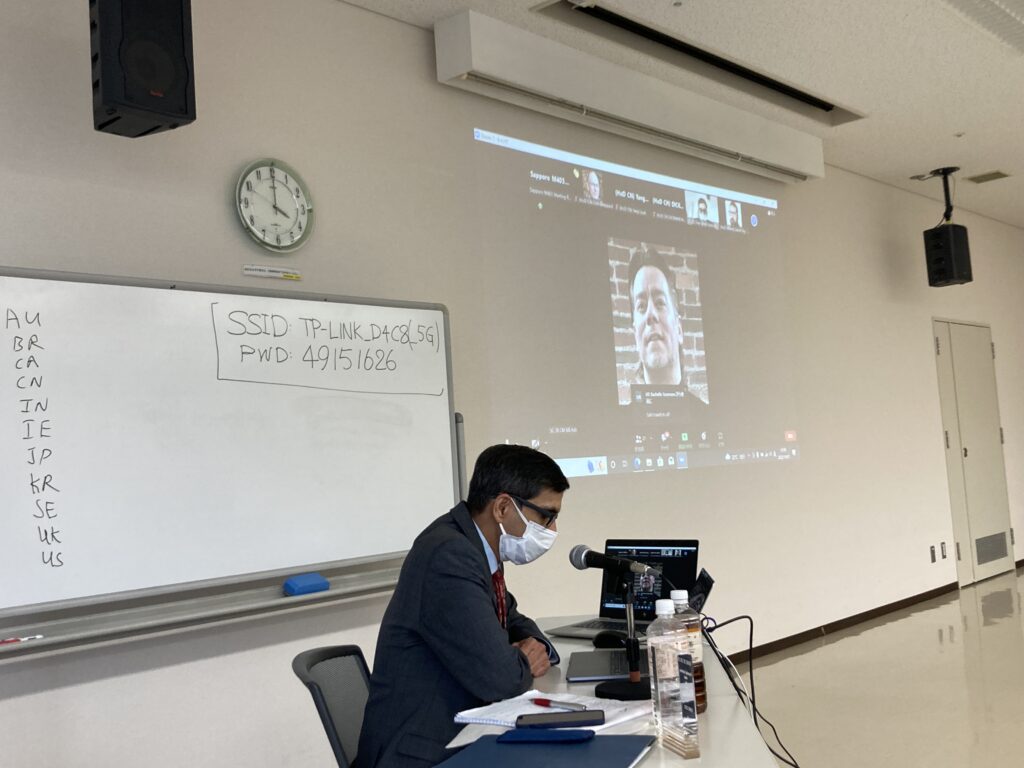
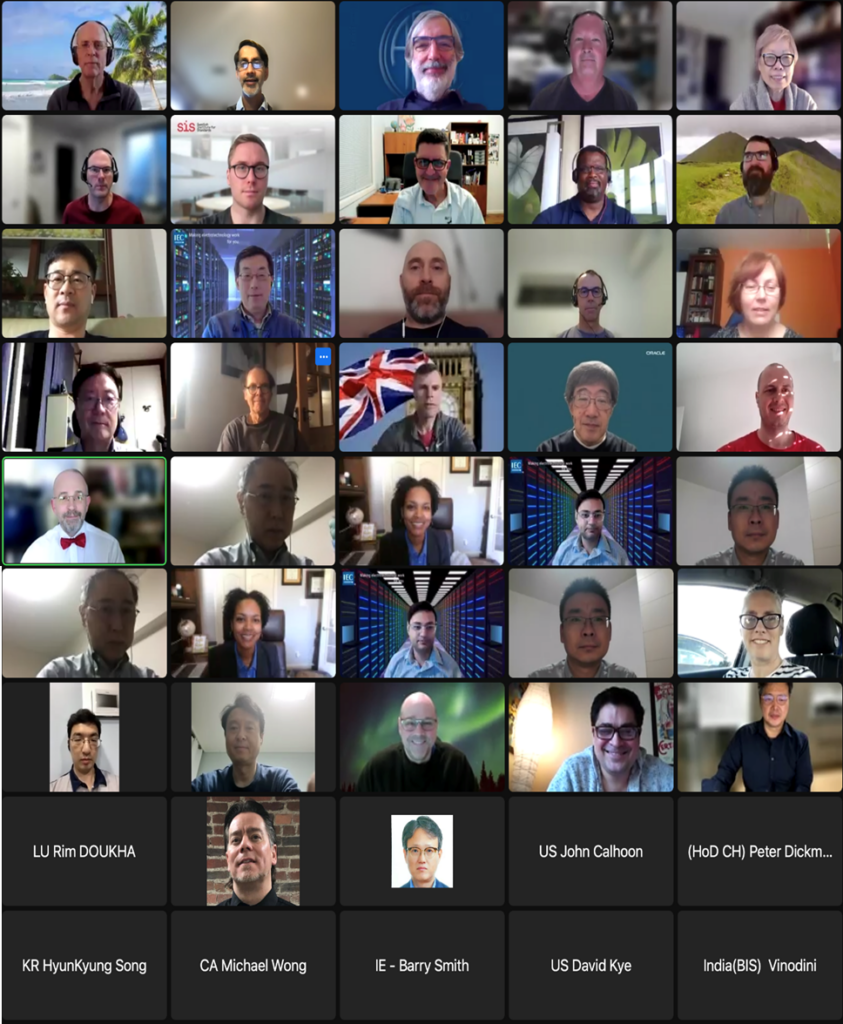
SC 38, Virtual, March 2022