

ISO/IEC AI workshop sessions
on 24 and 25 May

Video recordings of the three sessions
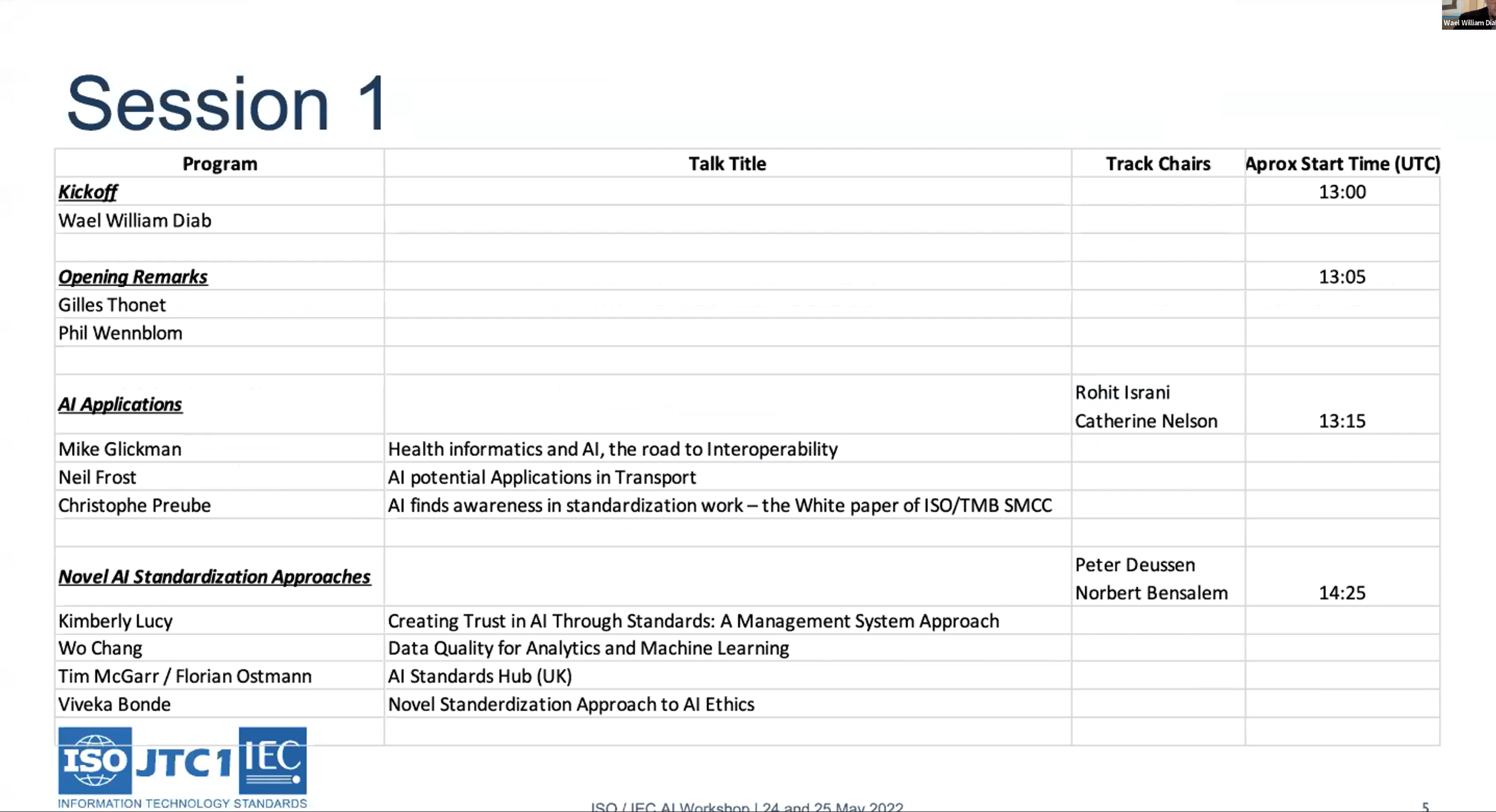


Programme / Presentations
24 th May 13:00 – 16:00 UTC
Kick-off
Wael William Diab –
Presentation
Opening Remarks
Phil Wennblom –
Presentation
Gilles Thonet
AI Applications
Mike Glickman – Health Informatics and AI, the road to Interoperability –
Presentation
Neil Frost – AI Potential Applications in Transport –
Presentation
Christophe Preusse –
AI finds awareness in standardization work – the White paper of ISO/TMB SMCC –
Presentation
Novel AI Standardization
Kimberly Lucy – Creating Trust in AI Through Standards: A Management System
Approach –
Presentation
Wo Chang – Data Quality for Analytics and Machine Learning –
Presentation
Tim McGarr / Florian Ostmann – AI Standards Hub (UK)
–
Presentation
Viveka Bonde – Novel Standardization
Approach to AI Ethics –
Presentation
Download here all session 1 presentations
25 th May 05:00 – 08:00 UTC
Kick-off
Wael William Diab
–
Presentation
Opening Remarks
Silvio Dulinsky
Emerging AI Requirements
Elham Tabassi – NIST AI Risk Management
Framework –
Presentation
Mariagrazia Squicciarini – The
UNESCO recommendation on the Ethics of AI – Setting the standards for a better and more inclusive future –
Presentation
Liz Coll – Can standards deliver consumer
trust and confidence in AI –
Presentation
Daniel Loevenich – Evaluation
Standards for Conformity Assessment of Trustworthy Cloud-based AI Applications –
Presentation
Emerging Tech Trends
Shubhashis Sengupta – Emerging AI Trends – as seen by an Industry Practitioner
–
Presentation
Tilak Kasturi – How specialized AI drives value for Automotive Service Organizations
–
Presentation
William Uppington – AI Quality:
The Next Big Challenge in AI –
Presentation
Babak Hodjat – From Data to Decisions, and Back –
Presentation
Download here all session 2 presentations
25 th May 22:00 – 26 th 01:00 UTC
Kick-off
Wael William Diab
–
Presentation
AI Applications
Charalambos Freed – Safety considerations in autonomous products –
Presentation
Hajime Yamada – Development of SRD 63416 “Ethical Considerations of AI when
Applied in the AAL Context” –
Presentation
Kenzo Nonami – AI Powered UAV and Future Prospects –
Presentation
Fumihiro Maruyama – Use cases and AI application guidelines in international
standardization –
Presentation
Novel AI Standardization
Jochen Friedrich – AI Standardisation supporting regulatory needs
–
Presentation
Linzhing Meng / Michael Thieme – Developing a TS on assessment of machine learning classification performance –
Presentation
Yonosuke Harada – Introduction of Governance Implications of AI Systems –
Presentation
Paul Cotton / Milan Patel / Wei Wei
– The foundational standards for AI – ISO/IEC 22989 and ISO/IEC 23053 – Overview and Introduction of SC 42
–
Presentation
Closing Remarks
Wael William Diab – Overview
and Introduction of SC 42 –
Presentation
Program Committee – Insights from the Workshop
Download here all session 3 presentations
Moderators: Catherine Nelson, Norbert Bensalem, Peter Deussen, Rohit Israni and Wael William Diab
Speakers
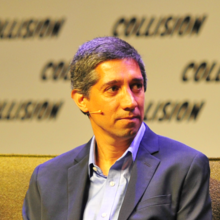
Babak Hodjat, CTO for AI at Cognizant
Babak Hodjat is the CTO for AI at Cognizant where he leads a team of developers and researchers bringing advanced AI solutions to businesses. Babak is the former co-founder and CEO of Sentient, responsible for the core technology behind the world’s largest distributed artificial intelligence system. Babak was also the founder of the world’s first AI-driven hedge-fund, Sentient Investment Management.
Babak is a serial entrepreneur, having started a number of Silicon Valley companies as main inventor and technologist. Prior to co-founding Sentient, Babak was senior director of engineering at Sybase iAnywhere, where he led mobile solutions engineering. Prior to Sybase, Babak was co-founder, CTO and board member of Dejima Inc. Babak is the primary inventor of Dejima’s patented, agent-oriented technology applied to intelligent interfaces for mobile and enterprise computing – the technology behind Apple’s Siri.
Babak has published many papers in the fields of Artificial Life, Agent-Oriented Software Engineering, and Distributed Artificial Intelligence, and has 31 granted or pending patents to his name. He is an expert in numerous fields of AI, including natural language processing, machine learning, genetic algorithms, distributed AI, and has founded multiple companies in these areas. Babak holds a PhD in Machine Intelligence from Kyushu University, in Fukuoka, Japan. Babak is also the author of “The Konar and the Apple”, a collection of short stories based on his youth.

Charalambos Freed, Nilfisk Vice-President – Head of Standardization and Government Relations
Vice President Nilfisk – Head of Standardization and Government Relations
VDMA Cleaning Systems Chairman of the Technical Committee
EUnited Cleaning Chairman of the Technical Committee
Bundesverband der Deutschen Industrie – Member AK Warentest
IECEX Management Committee – Head of Greek Delegation
IEC TC 59 EG 19 – Member
IEC Secretary SC 61J
IEC Convenor TC 31 JMT 62784
IEC Convenor SC 61J WG 3
IEC Convenor SC 59F WG 06
CSA Chairman C 234 (CSC 61J)
CLC Convenor TC 61 WG 06
CLC Convenor TC 61 WG 10
CLC Convenor TC 31 WG 24
CLC Convenor TC 59 X WG 06-03+04
DKE Convenor AK 513.7.10
Issue Manager EN 60335-2-67, -68, -69, -72, -79, EN 62784
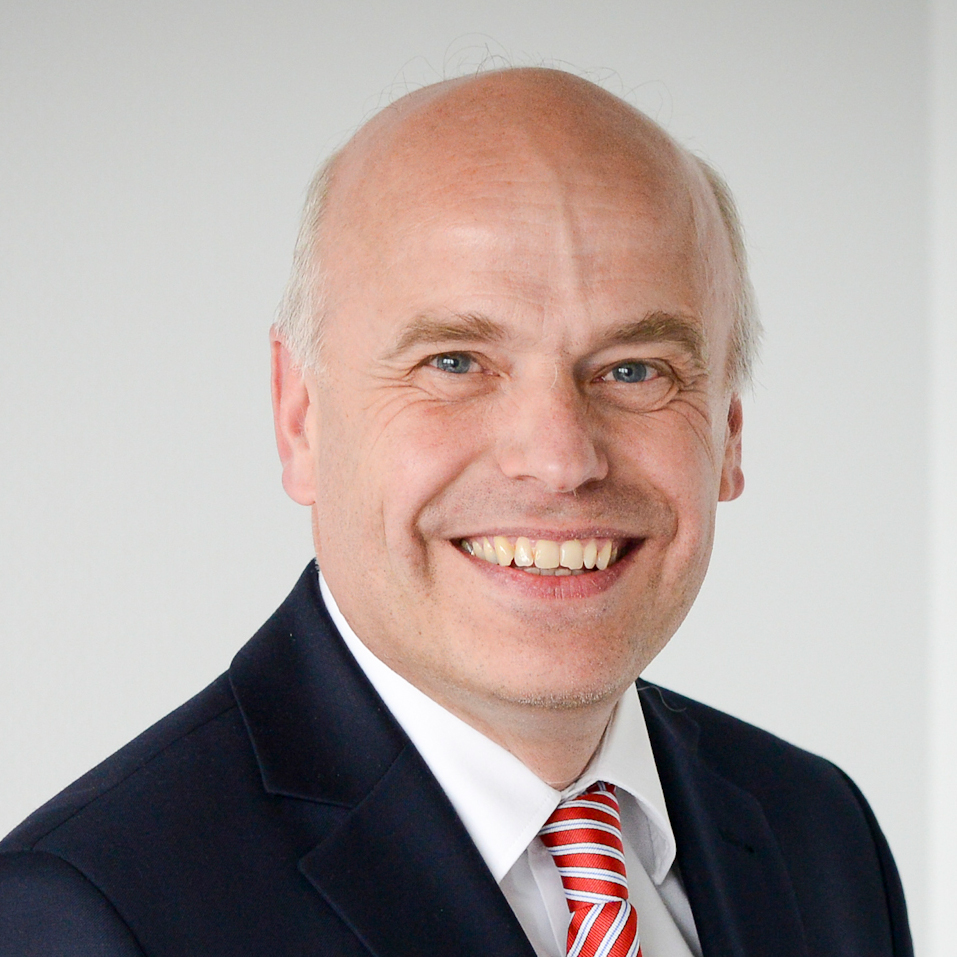
Christophe Preusse, Leader of section on crosslinking information on BGHM; Convenor of ISO/TMB Smart Manufacturing Coordination Committee (SMCC)
1989 – Diploma on Mechanical Engeneering from TU Clausthal, Germany
1989 – 1996 Project-leader, Philips Industrial Automation, Vibration measurement in industrial plants and power plants
1996 – dto. Berufsgenossenschaft Holz und Metall (BGHM) (statutory insurance on work accidence)
1998 – 2000 Safety inspector at BGHM, Munich, Germany
2001 – dto. Member of expert group on safety of machinery in BGHM
2001 – dto. Member on working groups of “panel of employee safety” on Federal Ministry of Labour and Social Affairs
2002 – dto. Member of WG3, WG5 and WG6 of ISO/TC 199
2008 – 2018 Chairman of ISO TC 199 und CEN/TC 114 „Safety of machinery“
2014 – 2017 Leader of prevention of BGHM (1.100 employees)
2015 – 2018 Chairman of “panel of employee safety” on Federal Ministry of Labour and Social Affairs
2017 – dto. Leader of section on crosslinking information on BGHM
2017 – dto Convenor of ISO/TMB Smart Manufacturing Coordination Committee (SMCC)

Daniel Loevenich, (National) AI Standards Officer
Mr. Loevenich work for the German Federal Office for Information Security. He is a national AI Standards Officer working on AI strategy and strategy transfer in terms of AI quality assessment and evaluation

Elham Tabassi, Chief of Staff, Information Technology Laboratory, National Institute of Standards and Technology
Elham Tabassi is the Chief of Staff in the Information Technology Laboratory (ITL) at the National Institute of Standards and Technology (NIST). She leads NIST Trustworthy and Responsible AI program that aims to cultivate trust in the design, development, and use of AI technologies by improving measurement science, standards, and related tools in ways that enhance economic security and improve quality of life.
She has been working on various machine learning and computer vision research projects with applications in biometrics evaluation and standards since she joined NIST in 1999. She is a member of the National AI Resource Research Task Force, vice-chair of OECD Working Party on AI Governance, a senior member of IEEE, and a fellow of Washington Academy of Sciences.

Florian Ostmann, Head of AI Governance and Regulatory Innovation, Public Policy Programme, Alan Turing Institute
Florian Ostmann is Head of AI Governance and Regulatory Innovation within the Turing’s public policy programme. His work focuses on regulation and non-regulatory governance mechanisms related to data and AI as well as on the use of data science and AI to facilitate the work of regulatory bodies. His broader research interests include the ethical implications of emerging technologies, the use of data science and AI to address societal challenges, health policy, and corporate responsibility (with a focus on business and human rights). Recent work led by Florian includes a report examining questions of responsible AI innovation in financial services (commissioned by the Financial Conduct Authority) and a project on the use of data to address modern slavery risks in the investment context.
Florian serves on the Royal Statistical Society’s Data Science Section Committee and contributed to the IEEE Global Initiative on Ethics of Autonomous and Intelligent Systems as a member of the Initiative’s Law Committee. In previous roles, he worked at the Harvard Kennedy School’s Shorenstein Center on Media, Politics and Public Policy, as a consultant on autonomous vehicle policy, social impact measurement, and responsible investing, and for the Pan American Health Organization. Florian holds a Master in Public Policy from the Harvard Kennedy School and a PhD in Political Philosophy and MA in Legal and Political Theory from University College London.
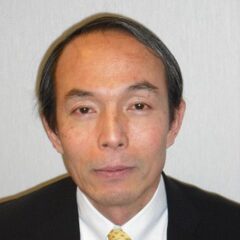
Fumihiro Maruyama, Researcher at Standardization Promotion Center, National Institute of Advanced Industrial Science and Technology (AIST). Convenor of SC 42/WG 4 Use Cases and Applications
Dr. Maruyama is an invited fixed-term researcher at Standardization Promotion Center, National Institute of Advanced Industrial Science and Technology (AIST), Tsukuba, Japan. He is also a special adviser on AI education at Chuo Computer & Communication College Group (CCG). He has been serving as convenor of ISO/IEC JTC 1/SC 42/WG 4 (AI use cases and applications) since the establishment of SC 42 in 2018. Before joining AIST and CCG, he worked for Fujitsu Laboratories Ltd., Kawasaki, Japan, where he was engaged in research and development of CAD, AI, and CRM solutions and served for four years as managing director of Fujitsu Laboratories of Europe, London, UK.
Dr. Maruyama received his B.S. degree in Mathematical Engineering and Dr. of Engineering degree in Information Engineering from the University of Tokyo. He was awarded the IPSJ (Information Processing Society of Japan) 20th Anniversary Best Paper Award and the Prof. Motooka Commemorative Award. He is a member of IEEE, IPSJ, the Institute of Electronics, Information and Communication Engineers of Japan, the Society for Serviceology, and the Japanese Society for Artificial Intelligence, where he served as executive vice president and auditor for four years and received Distinguished Service Award

Gilles Thonet, Deputy to Secretary-General / Director of Secretary-General’s Office,
International Electrotechnical Commission (IEC)
Gilles Thonet joined the International Electrotechnical Commission (IEC) in 2015 and is the Deputy Secretary-General, Director of the Secretary-General’s Office, and Secretary of the Standardization Management Board (SMB). In his current role, Gilles oversees the IEC technical boards, the IEC strategy, legal and compliance matters, as well as external relationships with partner organizations.
A technology executive with international experience in high tech industrial companies (including ABB, Eaton and Schneider Electric), Gilles has a PhD in Communication Technologies from the Swiss Federal Institute of Technology Lausanne (EPFL), an MSc in Electrical Engineering from Louvain School of Engineering, Belgium, and an MBA from Grenoble Graduate School of Business, France.
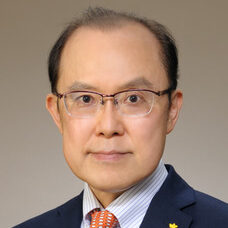
Hajime Yamada, Professor Emeritus of Toyo University, Head of Delegates for Japan to IEC SyC AAL
Hajime Yamada is a Professor Emeritus of Toyo University. He is also the Program Officer of “Creating a Safe and Secure Living Environment in the Changing Public and Private Spheres” in Japan Science & Technology Agency.
He is the Head of Delegate for Japan to IEC System Committee AAL and ISO TC 314 Ageing Societies. He won the third prize of IEC Centenary Challenge in 2006 by a paper titled “Standardization and Patent Pools: Using Patent Licensing to Lead the Market.”
He is the Chair of the Board of Information Communications Policy Forum, a Board Member of Japan Web Accessibility Consortium, and a Councilor of Japan Society of Information and Communication Research. He was a Member of Engineering Academy of Japan.
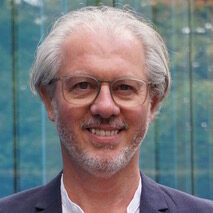
Jochen Friedrich, Technical Relations Executive / IBM Technical Relations Europe
Jochen Friedrich leads IBM’s Technical Relations Europe team which manages IBM’s Standardisation Coordination Programme Europe and is part of the corporate IBM standards and open source strategy organisation.
In addition to his IBM responsibilities, Jochen is a member of the ETSI Board and chairs the ETSI Board strategy groups on open source and on policy and regulation. He is also co-chair of the DIN Presidential committee FOCUS.ICT and chair of the German Standardisation Council Industrie 4.0 Expert Panel. Jochen is the current President of Ecma International; he is a member of the DKE Advisory Council Technology, and some further subcommittees in standards bodies.
Jochen also holds lead roles in European industry and trade associations: He chairs the standardisation task force in OpenForum Europe (OFE), is chair of the standardisation working group in the German ICT association BITKOM, and is a member of the German Federation of Industry working group on Technology Policy.
As a representative in the EU Commission’s advisory group “ICT Multi-Stakeholder Platform” Jochen is chairing the Task Force on the Rolling Plan for ICT standardisation and facilitated work on Digitising European Industry. He is also a member of the German government’s Advisory Council for ICT Technologies BSIKT.
Jochen is a Fellow of the OpenForum Academy.

Kenzo Nonami, Professor Emeritus Chiba University
Kenzo Nonami is:
Chairman of Japan Drone Consortium
Professor Emeritus Chiba University
President of Advanced Robotics Foundation, Japan

Kimberly Lucy, Director of GRC Standard, Microsoft
Kim Lucy is a Director of GRC Standards at Microsoft, where she has worked for over a decade. She began her career at E&Y performing info security auditing and consulting. Kim has practical experience implementing and auditing security and privacy standards for diverse organizations, and now works as part of Microsoft’s Corporate Standards Group, participating in ISO standards committees to help develop, draft, and revise international standards for artificial intelligence, privacy, and cybersecurity.
She is particularly interested in the alignment of international standards to regulatory and legal frameworks for emerging technologies such as artificial intelligence, and how organizations can leverage these standards for regulatory compliance

Lingzhong Meng, Associate researcher and master supervisor of Institute of software, Chinese Academy of Sciences
Lingzhong Meng is associate researcher and master supervisor of Institute of software, Chinese Academy of Sciences. The main research fields are trustworthness AI, including artificial intelligence testing technology, artificial intelligence evaluation methods, intelligent unmanned system truthworth evaluation and standardization in the field of AI. Mr Lingzhong is the editor of China and international technical standards on AI.

Liz Coll, Founder of Connected Consumers and consumer tech policy expert
Liz Coll is a consumer tech policy expert with over 15 years’ experience of campaigning for consumers rights online. At Citizens Advice and Consumer Focus she led work on critical issues for consumers in the digital world like data privacy, smart home devices and online reviews.
She went on to establish a global digital programme at Consumers International, where she led advocacy and research into e-commerce, consumer internet of things, AI, data privacy and the impact of platforms on consumers’ access to choice, redress and fair treatment. She has represented consumer interests at national and global policy forums including the OECD and the G20. As an independent consultant, she works with international policy makers, consumer groups and standards setters, sits on EU technology standards committees and is BSI CPIN Steering Group member and UK representative to the ISO COPOLCO AI task group.
She began her career at the London School for Economics’ Centre for Analysis Risk and Regulation and from there joined sustainability non-profit consultancy Forum for the Future. She has a BA in Politics and Government from the University of Sussex and an MSc in Political Sociology from the LSE.
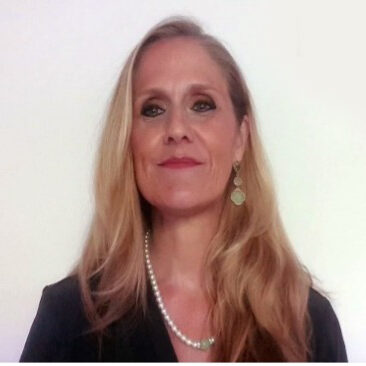
Mariagrazia Squicciarini, Chief of the Executive Office of the Social and Human Sciences Sector – UNESCO
Mariagrazia Squicciarini is Chief of the Executive Office of the Social and Human Sciences Sector (SHS) at the United Nations Educational, Scientific and Cultural Organization ( UNESCO).
At UNESCO, Mariagrazia’s work entails supervising, coordinating, strategizing, steering and advancing UNESCO’s work related to: the social transformation and the reduction of inequalities; human rights, antiracism and the gender divide; the ethics of science and technology, and in particular, of Artificial Intelligence (AI) and neurotechnology; youth policies; sport and antidoping to foster inclusion, health and wellbeing.
Before joining UNESCO, she worked for more than ten years at the OECD Directorate for Science Technology and Innovation as Senior Economist – Head of Unit. Her focus was mainly on: the changing determinants of growth and productivity; the economics of Intellectual Property Rights (IPR); knowledge-based capital; global value chains; the digital transformation; Artificial Intelligence; labour market, job and skill dynamics; and the digital gender divide.
Mariagrazia holds a Ph.D. in Economics from the University of Essex (UK), and has published extensively.
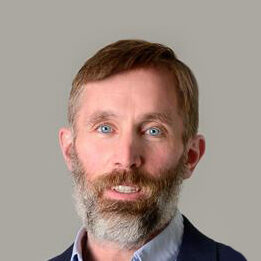
Michael Thieme, Managing Director at Accenture Federal Services (AFS)
Michael Thieme is a Managing Director at Accenture Federal Services (AFS), responsible for technology and R&D in the National Security Portfolio. Mr. Thieme has led breakthrough programs for US Government customers for 20+ years, and a subject matter expertise in machine learning, cloud technologies, and biometrics with patents in biometric image processing.
Mr. Thieme is the editor of US and international technical standards on biometrics and AI, and is the Secretary of INCTS/Artificial Intelligence technical committee. Mr. Thieme was Novetta’s CTO prior to its acquisition by AFS in 2021.
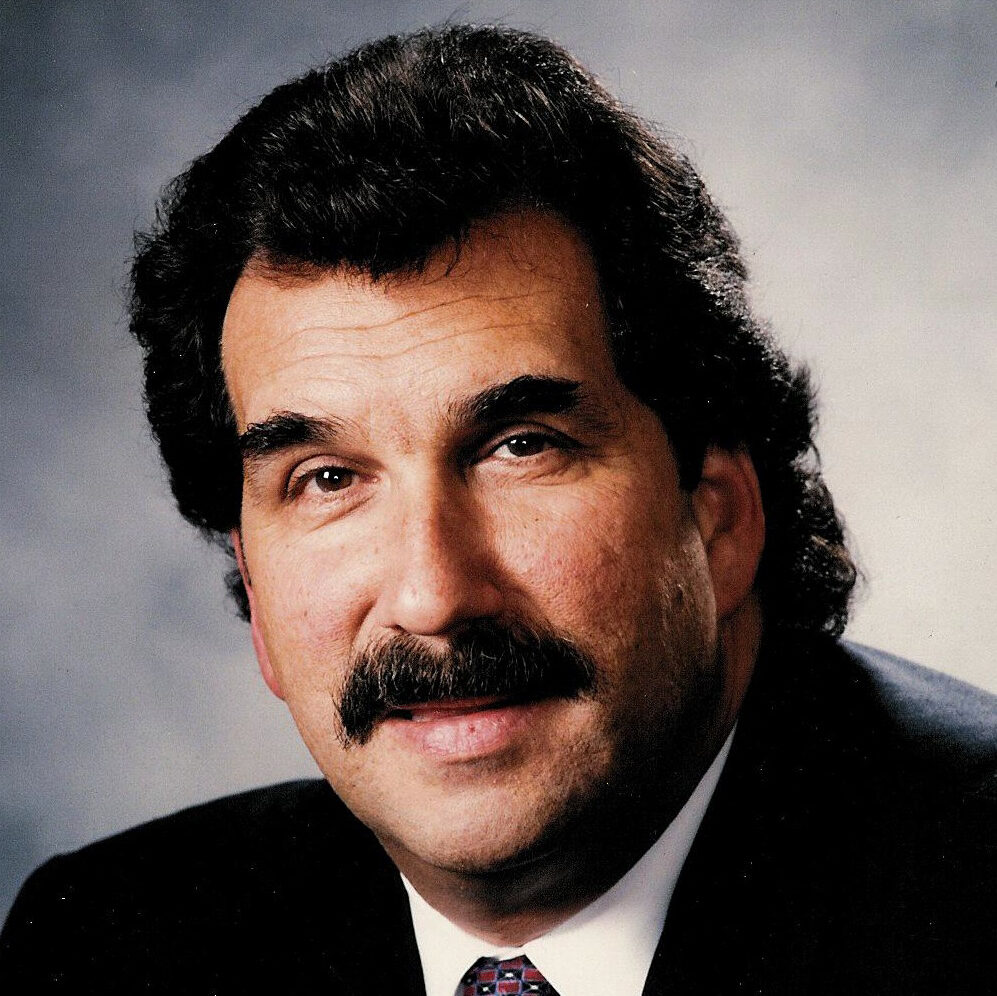
Michael Glickman, Founder and CEO of Computer Network Architects
Michael L. Glickman, Founder and CEO of Computer Network Architects, has over 50 years of experience in the computer industry and 40 years in Healthcare Information Technology. He is an internationally recognized Subject Matter Expert on systems integration and secure interoperability and is a pioneer in HealthCare informatics as a founding member of the HL7 Working Group in 1987.
He is the Chair of ISO/TC215 Health informatics, and a member of the ANSI ISO Council (AIC) and has served on the Boards of Directors of HIMSS and CDISC, and as Chair of CPRI and the ANSI Information Systems Steering Board representing 55 industries, including HealthCare.
Milan Patel, National Standards Officer at Microsoft
Milan is a member of Microsoft’s corporate standards group. He chairs BSI’s committee on Artificial Intelligence which has a broad and growing membership. The committee mirrors the ISO/IEC JTC1 subcommittee on AI and the CEN/CENELEC joint technical committee on AI. Milan is an active contributor to international standards work on information security and data privacy. He also has a long history in standardization related to Internet and mobile network technologies.
Neil Frost, CEO of iSAHA. Convenor of ISO TC 204/WG 20 Big Data and Artificial Intelligence supporting ITS
Neil Frost is CEO of iSAHA and a seasoned business and management consultant and holds a master’s in business leadership (MBL) and has a bachelor’s degree in computer science and Mathematical Statistics making data analysis one of his specialities. He has been actively involved in the public transport industry and for more than 25 years, of which 15 years were on an international platform in ITS applications in transport and health.
Neil has done extensive work in all modes of transport as team leader, both subsidised (rail and bus) and non-subsidized public transport, namely the minibus taxi industry in South Africa. Neil’s involvement with the minibus taxi industry goes back as far as advising the South African National Department of Transport on the early minibus taxi recapitalization process and has in recent years branched out to include the preparation of business cases and business value calculations of minibus taxi routes affected by the national BRT program on behalf of the Tshwane and Mangaung metros as well as the CSIR.
Neil and his team have pioneered and developed a data analyses and business evaluation model for the calculation of operating license values that has now been accepted by the minibus taxi industry as one of the most accurate and industry acceptable standards for business value negotiations utilized in business restructuring.
Neil is currently Convenor of the TC 204 WG 20 on Big Data and Artificial Intelligence and is an expert working on AFC and Account based ticketing, EMV integration in payment systems and Intelligent Mobility that includes the utilisation of new technologies (such as alternative payment methods) in the transport ITS space. These are new trends and requirements to enable the introduction of Cooperative ITS and the Autonomous Vehicle that are expected to start becoming a reality in North America, Europe and Japan in the next 5 to 10 years. Neil is also advising in the total integration of systems and data for Transport for the Gauteng Provincial Government and is being consulted on Big Data projects in Germany, Pakistan (Karachi and Peshawar), Australia, New Zealand and North America.
Neil has been involved in AFC in all spheres of government in South Africa. He designed and specified the AFC system for Gautrain (he has also been involved in the auditing and useful end of life determination of this system), he designed the specifications and provided transaction advisory services for the Rea Vaya and Tshwane AFC BRT systems. This work included the business aspects of fare policy and rules determination and implementation together with the business processes. Use cases where also developed for the testing and implementation of the systems to ensure a match between technology and business requirements.
Neil pioneered an Enterprise Architecture for a fully integrated Intelligent Transport System for the City of Cape Town including the development of a detailed Blueprint and technology road map for the implementation of the system including the required Business Processes down to Level 3. A similar project developed by Neil was the One ticket for all, data integration and data analytics project for the Gauteng Transport Commission. Currently Neil is advising the City of Cape Town on new generation technology to enhance and facilitate integrated transport and smart payment systems across transport modes.
Neil has in-depth Enterprise Architecture experience in Transport and Health. The basic structure of the Enterprise Architecture he helped developed is now accepted as a base architecture for ISO TC 204 Big Data and AI planning.

Phil Wennblom, Global Director of Standards Policy, Intel Corporation
Phil Wennblom is Global Director of Standards Policy for Intel Corporation. As part of the Global Government Affairs group, he has world-wide responsibility for Intel standards policy positions and activity.
Since 2017, Phil has been the chair of ISO/IEC JTC 1, the joint technical committee of ISO/IEC which develops standards in the field of information technology.
Phil has been a member of INCITS since 2002 and served as chairman of the INCITS Executive Board from 2013 through 2017.
Phil was active in governance of the IEEE Standards Association from 2004 through 2018, serving on the IEEE Standards Association Board of Governors and on the IEEE Standards Association Standards Board. Phil chaired the Corporate Advisory Group from 2015 through 2017 and the Patent Committee of the Standards Board from 2017 through 2018.
Phil is a member of the Standardization Policy Committee of the Information Technology Industry Council (ITI) and served as its chair from 2008 through 2017. He also represented Intel on the board of the United States Information Technology Office (USITO) from 2008 through 2016.

Silvio Dulinsky, Deputy Secretary-General, International Organization for Standardization (ISO)
Deputy Secretary-General at ISO – International Organization for Standardization
1972, Brazilian / Spanish / Swiss
Business Administration, University of São Paulo. Further education at IESE, IMD and Stanford.
1997-2010, LafargeHolcim, senior executive positions in Switzerland and Brazil; Member of the Board of Directors in invested companies across Latin America.
2010, INYPSA Engineering, Spain, Corporate Director.
2013-2021, World Economic Forum, Member of the Executive Committee in Switzerland, responsible for private sector in Latin America, Europe and Eurasia, global corporate governance insight area and Climate Governance Initiative.
Since August 2021, Deputy Secretary-General at ISO.
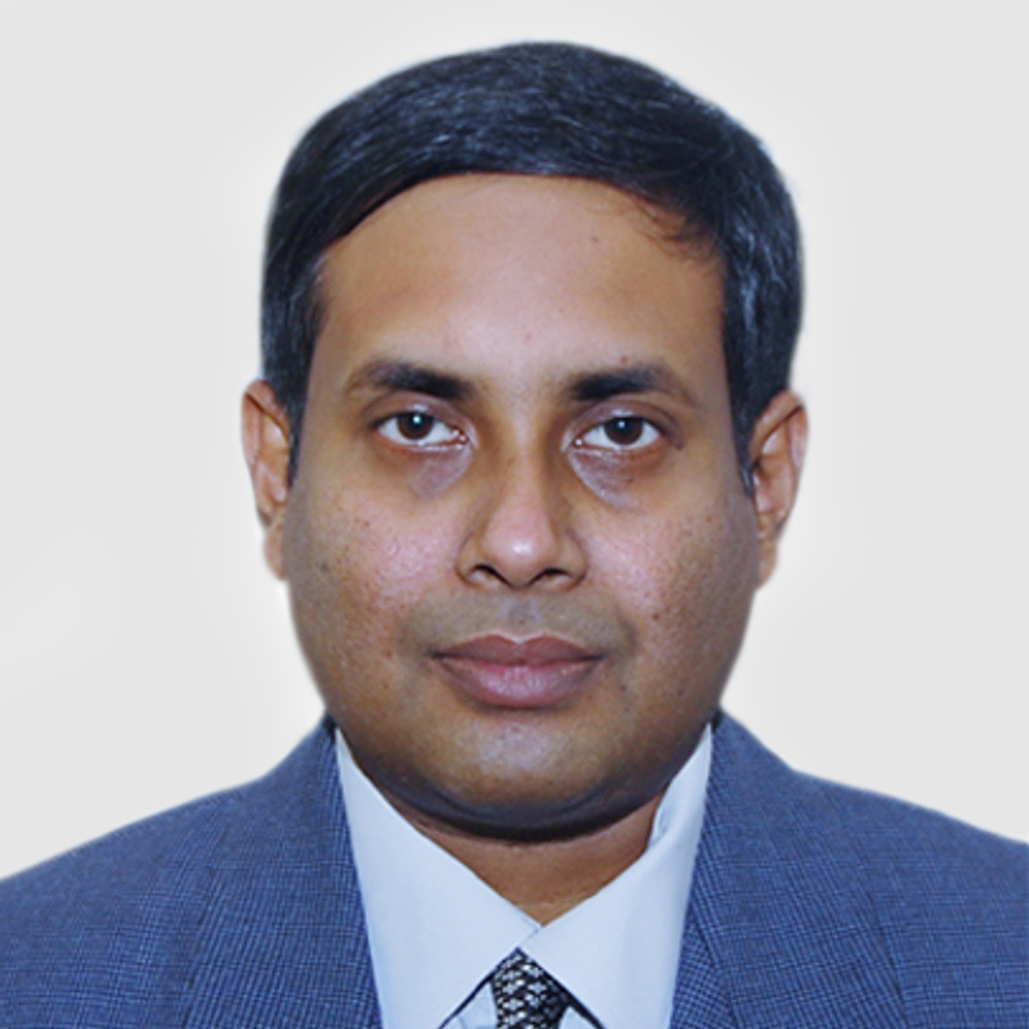
Shubhashis Sengupta, Managing Director and Fellow of Accenture Technology Labs and head of Technology Innovation for Growth Market
Dr. Shubhashis Sengupta is a Managing Director and Fellow of Accenture Technology Labs and head of Technology Innovation for Growth Market. His area of specialization is around large-scale distributed systems (Cloud and Edge), Software Engineering, and AI-based (NLP and Machine Learning) systems. Prior to joining Accenture, he was with Oracle Corp, IBM, and Infosys Technologies. Shubhashis has consulted extensively in multiple domains. At Accenture, his team has developed several accelerators around Conversational AI, Knowledge graphs, and AI for Trust and Safety. Shubhashis collaborates extensively with leading industry think tanks and academia.
Dr Sengupta has over 70 journal and peer-reviewed conference papers, 55+ granted patents, and 90+ patent applications to his credit. He is a Ph.D. in systems specializing in applying Artificial Intelligence algorithms to Combinatorial Optimization. He is a Senior Member of ACM and Senior Member of IEEE Computer Society. He is a founding member of AAAI India chapter. He has been on the program committee and review board of several conferences and journals including IEEE Spectrum and IEEE Transactions, Association of Computational Linguistics etc.

Tim McGarr, Sector Lead for the Digital sector, British Standards Institution (BSI)
Tim McGarr is the Sector Lead for the Digital area within Knowledge Solutions in BSI. Tim has specific responsibility for the direction and development of key digital standards areas, including Artificial Intelligence, Cyber Security and Virtual/Augmented Reality. Tim has been working at BSI since 2009.
Prior to BSI, Tim he spent 5 years working in the legal publisher LexisNexis in the strategy department. Before this, Tim he worked as a management consultant for Logica (now CGI) and an internal consultant for BT. Tim has an MBA from HEC in Paris, France.
Tilak Kasturi, Founder & CEO of Predii
Tilak is an innovator, entrepreneur, and an engineer with over 20 years of enterprise AI, enterprise big data, and applied artificial intelligence experience. Tilak stands at the forefront of predictive big data, and applied AI, driving one of the most impactful developments in the automotive and industrial sectors.
Tilak is Founder & CEO of Predii, an AI Software company specialized in providing insights and advanced analytics for automotive service data.
Prior to Predii, Tilak has held several technology leadership roles at Radion (a cancer treatment management software), iLoop Mobile (Mobile platform), eVolution Global Partners (a Corporate VC fund), and Time Warner.
Tilak holds several degrees, including a B.S. in Electrical Engineering from National Institute of Technology, (India), an M.S. in Computer Science from the Florida Institute of Technology, and an M.B.A. from the University of Central Florida. He is a member of the Artificial Intelligence Program Committee for the IOT Solutions World Congress. Tilak has recently been awarded with the Start-up Disruption Award by the UC Berkeley’s Garwood Center for Corporate Innovation.

Viveka Bonde, Partner at Bonde Barzey
Viveka Bonde is a Swedish legal attorney with over 20 years of experience of legal practice work. Previously, she has also worked as a solicitor in England & Wales as well as an attorney in Norway. Viveka Bonde is the Project Editor of the SC42 Technical Report under development addressing ethics, namely; ’Information technology – Artificial intelligence – Overview of ethical and societal concerns ’ (ISO/IEC/JTC 1/SC42 – DTR 24368). She is also the Chair of the Swedish mirror committee of SC 42 – the Technical Committee for Information Technology (TK 611), at the Swedish Institute for Standards.
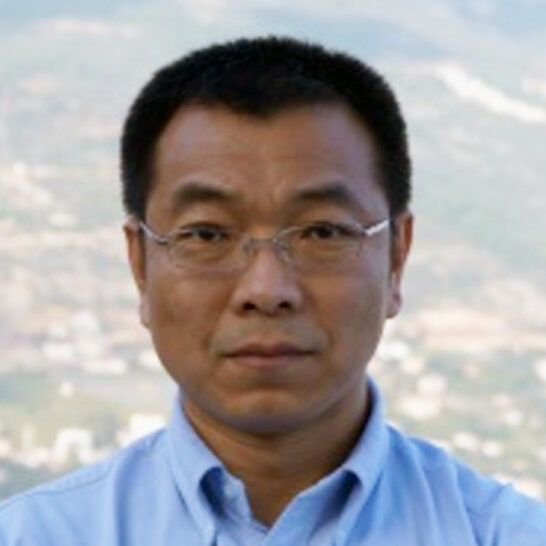
Wei Wei, Technical Relation Executive, IBM Europe
Wei Wei is Technical Relation Executive at IBM Europe. He is currently working as editor of ISO/IEC 22989 AI Concept and Terminology. He holds vice-chairman position in German AI Standard Committee at DIN. Further he is the member of CEN CLC JTC 21, which is the joint technical committee for AI standardization at European level.
He has a background of more than 28 years of experiences in internet services and telecommunication industries. He has been worked as technical leader in different global IT companies such as Nokia, Vodafone and IBM. Responsible for the solutions which are correctly implemented, tested, delivered and accepted by customer. Formerly he held lead architect positions at IBM and Vodafone.
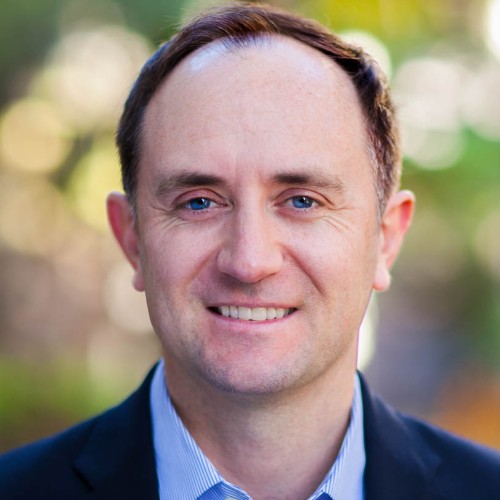
William Uppington , CEO & Co-Founder, TruEra
Will is CEO and Co-Founder of TruEra, an AI Quality software company. Will became passionate about addressing the challenges of building, explaining, testing and monitoring high quality machine learning and algorithmic systems for enterprises when he experienced them firsthand while leading both product development and customer-facing teams at his prior startup, BloomReach.
Prior to TruEra, Will held a variety of leadership roles at 3 successful startups, BloomReach, Clearwell Systems (acquired by Symantec) and Neoteris/Netscreen (acquired by Juniper Networks). Will holds an MBA from Harvard Business School and a BA from Dartmouth College
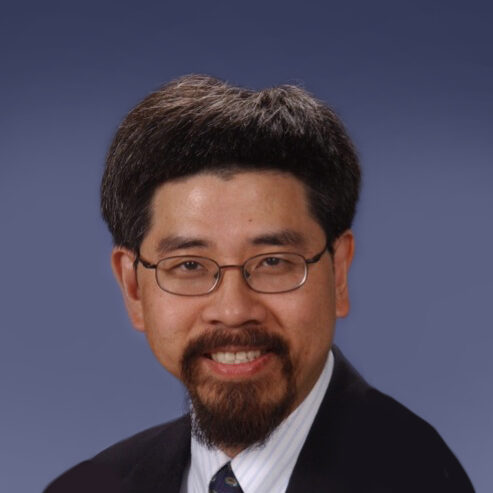
Wo Chang, Digital Data Advisor for the NIST Information Technology Laboratory (ITL). Convenor of SC 42/WG 2 Data
Mr. Chang is Digital Data Advisor for the NIST Information Technology Laboratory (ITL). His responsibilities include, but are not limited to promoting a vital and growing Big Data community at NIST with external stakeholders in commercial, academic, and government sectors.
Mr. Chang currently chairs the ISO/IEC JTC 1/SC 42(Artificial Intelligence)/WG 2 Working Group on Data, IEEE Big Data Governance and Metadata Management Working Group, NIST Big Data Public Working Group, and NIST representative to the ISO/IEC AI standards development. Prior to joining ITL Office, Mr. Chang was manager of the Digital Media Group in ITL, and his duties included overseeing several key projects in the areas of digital data, long-term preservation and management of EHRs, motion image quality, and multimedia standards. Mr. Chang’s research interests include Open Data, FAIR Data, Big Data, data quality, data analytics, machine learning, deep learning, high performance and cloud computing, content metadata description, digital file formats, multimedia synchronization, digital data preservation, and Internet protocols.
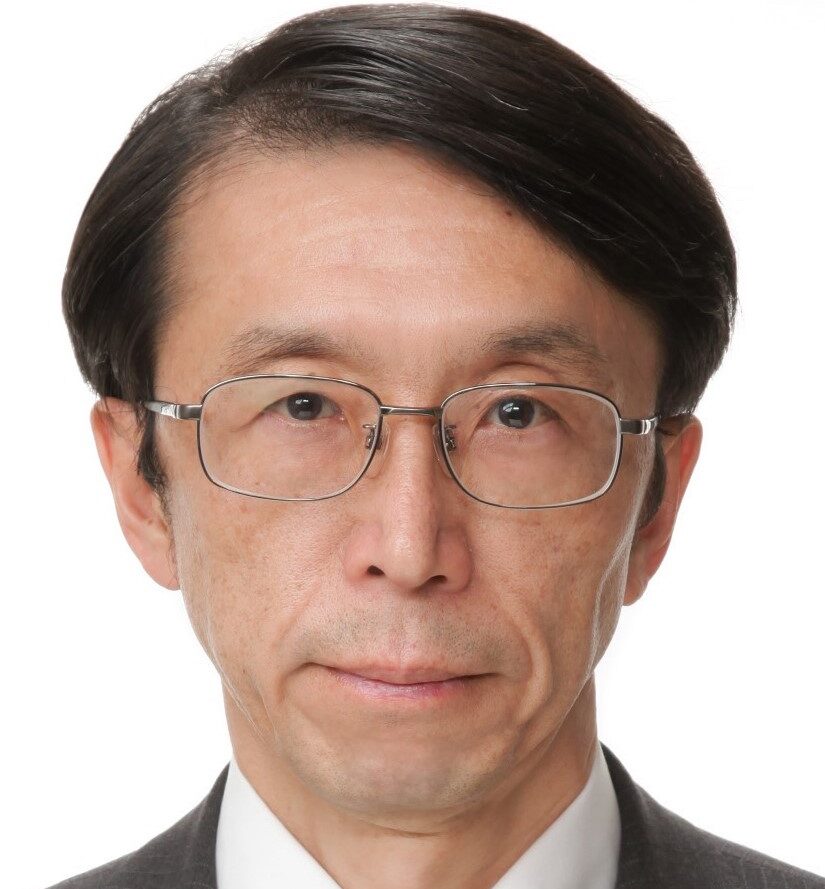
Yonosuke Harada, SC42/JWG1 Convenor 2020 May – 2022 May
Prof. Yonosuke Harada, SC42/JWG1 Convenor 2020 May – 2022 May
He has more than 15 years of experience of IT governance standardization including SC 7, SC 40, SC 27, and SC40 JWG1 Convenor. Also, he contributed as editor for following standards.
ISO/IEC 38503:2022, Information technology — Governance of IT — Assessment of governance of IT (SC40) and ISO/IEC 27014, Information security, cybersecurity and privacy protection Governance of information security (SC 27).
He has recently retired from the professor position and been awarded the honorary professor at the Institute of Information Security.
Prof. Harada has been teaching IT Security, IT governance, and Management at many universities. Also, he contributed to many ISACA projects and he was the international Vice President in 2008-2010. He is still very active for standardization activities in SC27/SC40/SC42.
Moderators
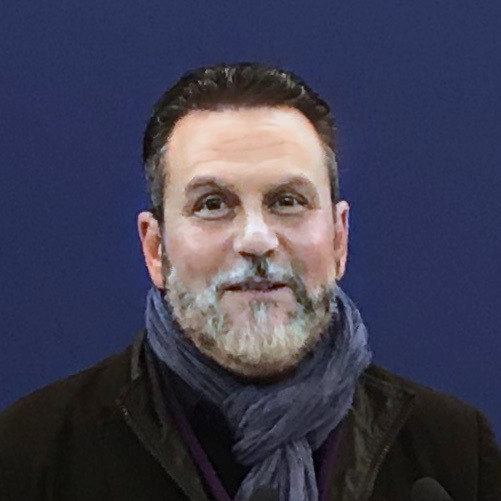
Norbert Bensalem, Technical Relation Executive IBM France
Overview
Over 22 years’ experience in ICT industry, including more than 10 years focusing on Sales and Customer Relationship & Satisfaction. Previous experience in the pharmaceutical industry with a strong focus on processes consolidation
and standardization.
Standardization involvement
Member of AFNOR and ISO/IEC JTC1 since June 2011
Roles
2016- present, AFNOR
• Chairman of the French JTC1 mirror committee GCTI
• Head of the French delegation in international meetings
• Member of an AFNOR steering group COS ICN Information et Communication Numérique
2018- present, ISO/IEC JTC 1 SC 42
• IEC ACOS TF On Collaborative safety rep
• Workshop series committee member
2020- present, ISO/IEC JTC1
• IEC SEG 13 Consortia rep
2014- present, ISO/IEC JTC1
• JTC1 PAS Mentor (OASIS,W3C,GS1, TOG)
2016- present, ISO/IEC JTC1
• JTC1 AG 14 Systems Integration Facilitation (SIF) Convenor
2014-2015, ISO/IEC JTC1
•Member of ISO/TMB SAG on Smart Cities
2011- present ISO/IEC JTC 1
• Technical contributor to several ISO/IEC JTC1 SCs
(SC27 Security, SC38 Cloud & SOA, SC 41 IoT & Digital twin, SC 42 AI, WG 11 Smart Cities)
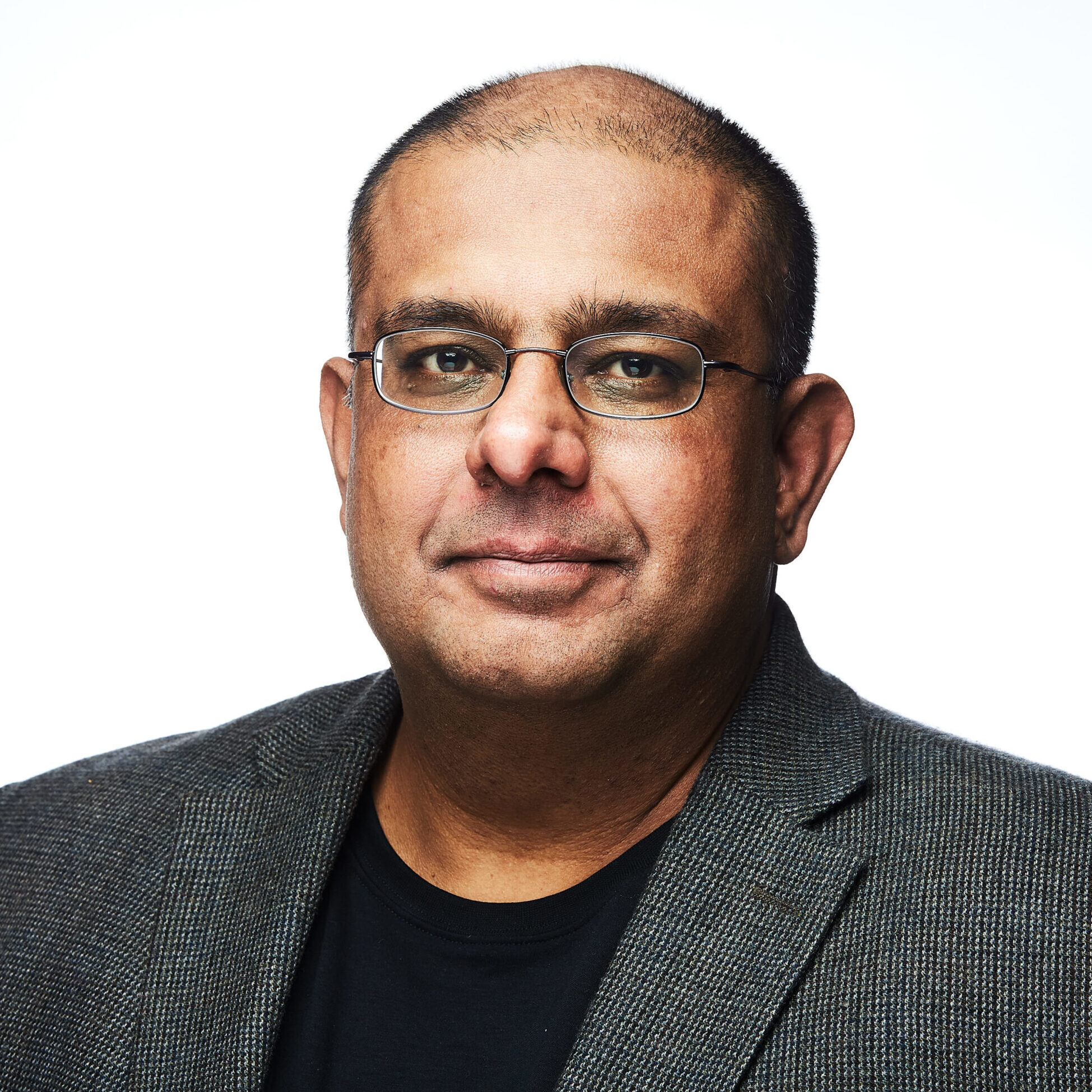
Rohit Israni, Director Cloud and AI Ecosystem Enabling, Intel & Chair INCITS/Artificial Intelligence
Rohit Israni is currently Director Cloud and AI Ecosystem Enabling in the Cloud and Enterprise Solutions Group at Intel. He leads inorganic initiatives and developer relations for Cloud/AI. Earlier, he cofounded the Intel AI Academy and the Intel AI Builder program chartered with bringing Intel’s AI initiatives to leading universities and ISVs world-wide. He is the Chair of INCITS/Artificial Intelligence, the US TAG to SC 42.
Rohit has 20 years of experience in engineering, new product innovation, strategy, finance and business development in a variety of organizations. Prior to his current role, Rohit was responsible for the development of the ecosystem for depth photography for Intel’s RealSense initiatives. Rohit led a collaboration between Intel and Google engineers to create an open standard called XDM (eXtensible Device Metadata) released at www.xdm.org and then taken to JPEG.
Rohit’s prior technical background is in AI and he worked at Imaging Technology (M&A Dalsa), a spinoff from MIT’s AI Lab and one of the survivors of the second winter of AI and at KLA-Tencor, leading semiconductor equipment company, in developing machine learning and computer vision algorithms. He has 2 patents in pattern recognition and machine learning.
Rohit holds a Masters’ degree in Engineering with a specialization in Robotics and AI from Tulane University. He also holds a Master’s degree in Management Science & Engineering with a focus on Entrepreneurship from Stanford University.

Wael William Diab, Chair of ISO/IEC JTC 1/SC 42 (Artificial Intelligence)
Wael William Diab is a business and technology strategist with more than twenty years of executive experience at Fortune 500 companies in Silicon Valley. He is a prolific inventor with more than 900 patents to his name in the ICT field and an industry recognized expert on digital transformation. Skilled in leadership for breakout technology, Diab has architected strategy, driven industry-wide initiatives, cultivated partnerships, identified M&A