

ISO/IEC 14543-4-303 & 304:2026 ED1 – Information technology –Home electronic system (HES) architecture
– Part 4-303: Application protocol for electric vehicle supply equipment (EVSE) chargers and controllers
– Part 4-304: Application protocol for electric vehicle supply equipment (EVSE) charger and discharger and controllers
One Important Piece for an Internationally Standardized
Geneva, July 2026 — The global transition to electric mobility is no longer a distant ambition — it is happening now. As nations strive to meet the United Nations Sustainable Development Goals and the targets set by the Paris Agreement, electrifying transportation stands as one of the most powerful levers for reducing carbon emissions and building a cleaner future. Smart, interoperable, and reliable charging infrastructure is not optional — it is essential.
Against this backdrop, two landmark international standards have just been published: ISO/IEC 14543-4-303 and ISO/IEC 14543-4-304. Together, they lay a critical foundation for a globally harmonized EV charging ecosystem.
What these standards define
| ISO/IEC 14543-4-303 specifies an application-layer communication protocol for electric vehicle supply equipment (EVSE) — the chargers and controllers that deliver energy to EVs. Built on the proven Network Enhanced Communications Device (NECD) protocol, it ensures that charging equipment from different manufacturers communicates seamlessly. The result: true interoperability, reduced integration costs, and a more reliable experience for users worldwide. | 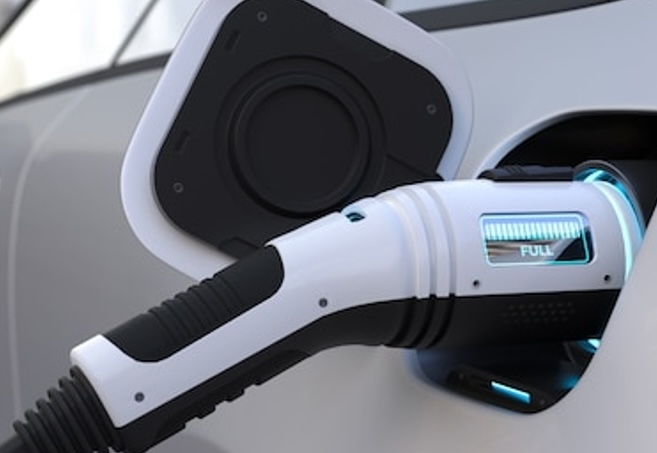 |
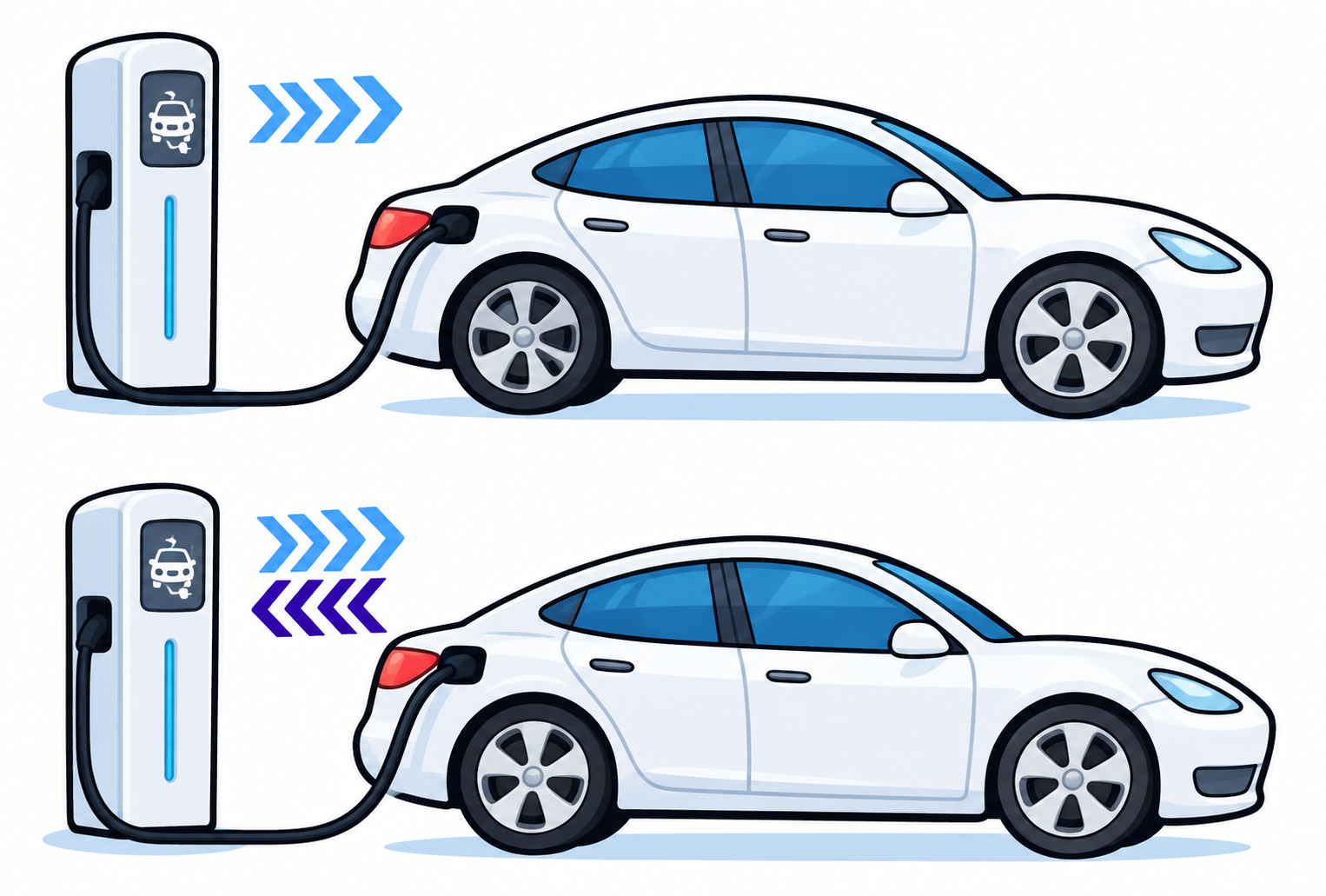
ISO/IEC 14543-4-304 takes this one decisive step further. It extends the communication framework to cover bidirectional charging – enabling EVs not only to receive energy, but also to feed it back into homes or the electricity grid. This Vehicle-to-Grid (V2G) and Vehicle-to-Home (V2H) capability transforms every EV into a mobile energy asset. As smart grids evolve and distributed energy resources become mainstream, this standard provides the common language that makes it all work together.
Both standards are part of the ISO/IEC 14543 Home Electronic System (HES) architecture series and are now available at www.iec.ch.
Why these matters
 |
Modern energy systems are shifting from centralized generation to dynamic, distributed grids – where homes, buildings, and vehicles interact intelligently, as specified in ISO/IEC 15067-3:2024, “Information technology – Home Electronic System (HES) application model – Part 3: Model of an energy management system for HES.”
Automated energy management at the grid edge is key to balancing supply and demand sustainably. Standardized protocols like ISO/IEC 14543-4-303 and -4-304 are the connective tissue that makes this vision a reality. |
Without common standards, the risk of fragmented markets, incompatible hardware, and stranded investments is real. With them, manufacturers, utilities, grid operators, and consumers can collaborate within a shared framework – accelerating deployment, lowering barriers, and scaling impact globally.
Your Invitation to Act
The publication of these standards marks a turning point. We invite manufacturers of charging equipment, system integrators, energy service providers, and policymakers to adopt ISO/IEC 14543-4-303 and ISO/IEC 14543-4-304 as the foundation for next-generation EV infrastructure.
Whether you are designing a home charging system or planning a national V2G rollout – these standards provide the interoperability backbone your solution needs.
Access both standards today at www.iec.ch and help shape the energy transition.
If you are interested in contributing to such standards, you are welcome to join. Please contact us or your national standards committee.
Management Summary
Two new international standards – ISO/IEC 14543-4-303 1and ISO/IEC 14543-4-304 3 – have just been published, establishing a globally harmonized communication framework for EV charging infrastructure. ISO/IEC 14543-4-303 ensures seamless interoperability between charging equipment and controllers from different manufacturers, while ISO/IEC 14543-4-304 extends this to bidirectional charging, enabling vehicles to feed energy back into homes and the grid (V2G/V2H). Together, these standards reduce integration costs, eliminate market fragmentation, and accelerate the deployment of smart, sustainable charging solutions worldwide. Both standards are available now at www.iec.ch and are essential reading for manufacturers, utilities, and policymakers shaping the future of electric mobility.
Matthias Fritsche – Chair of ISO/IEC JTC 1/SC 25
Dr. Kenneth Wacks – Convenor of ISO/IEC JTC 1/SC 25 /WG 1
Recent Comments