


The Metaverse can be defined as a universal, immersive virtual world that is principally facilitated by Virtual Reality (VR)/ Augmented Reality (AR) / Mixed Reality (MR).
As such, VR/AR/MR technologies combined with ICT integration are critical to the development and evolution of the metaverse. JTC 1 has been developing standards for over 20 years that are relevant to the implementation of metaverse applications. Thus, JTC 1 standards can thus provide solutions for the metaverse.
At a fundamental level, the metaverse requires standard technologies for composing virtual worlds and incorporating the real world into virtual worlds. The goal of the metaverse is an enhancement of human life by extending it to virtual worlds. This can be obtained with ICT integration technologies for integration between real and virtual worlds in ICT and industry areas. Part of this standardization should address safety and security when immersing oneself in these environments. As more and more people spend time in virtual worlds, it becomes more and more imperative to come up with a new order for ethical and moral conduct in the metaverse.
More and more people will use virtual worlds for social, economic, and cultural pursuits. Industry will provide metaverse services in many metaverse service areas including education and training, meetings both business and social, the conduct of business, events, medicine, health, manufacturing, safety, shopping, travel, and culture, all taking place in virtual worlds (Figure 1). Almost all standard areas in JTC 1 will be needed for metaverse service applications. JTC 1 standards and standardization are the basis for metaverse service implementation.

Virtual worlds and avatar-related technologies in JTC 1 are key technologies for the metaverse. All types of metaverse application services are based on JTC 1 technologies such as VR/AR/MR, 3D simulation, UI, security, cloud computing, AI, etc. In addition to these basic technolgies, standard technologies related to virtual environments, avatar representation and information processing, sensor simulation in virtual environments, and ICT integration with industry areas are necessary. JTC 1 has developed many of these relevant standards.
Requirements for metaverse application services include standardized ICT integration for diverse metaverse applications, standardized software development guidelines, standardized user interface guidelines, standardized ownership, authority, safety, and security, and standardized governance guidance for social, economic, and cultural order and ethics in the metaverse.
The JTC 1 standard technologies necessary for the metaverse include the following: First, there are standards for virtual world representation, visualization, and information processing. ISO/IEC 14772 Virtual Reality Modeling Language (VRML), ISO/IEC 19775-1 Extensible 3D (X3D), and ISO/IEC 18023 Sythetic Environment Data Representation and Interchange Specification (SEDRIS) are standards that can be used for creating and simulating 3D virtual worlds (Figure 2 and Figure 3).
Second, humanoid animation standards can be used for 3D avatar representation, visualization, and information processing. ISO/IEC 19774-1 Humanoid Animation (HAnim) architecture defines a humanoid data structure for representing human models in 3D virtual worlds. ISO/IEC 19774-2 HAnim motion data animation can be used to generate and exchange humanoid animation. These standards define data models for 3D avatars in virtual worlds (Figure 4).

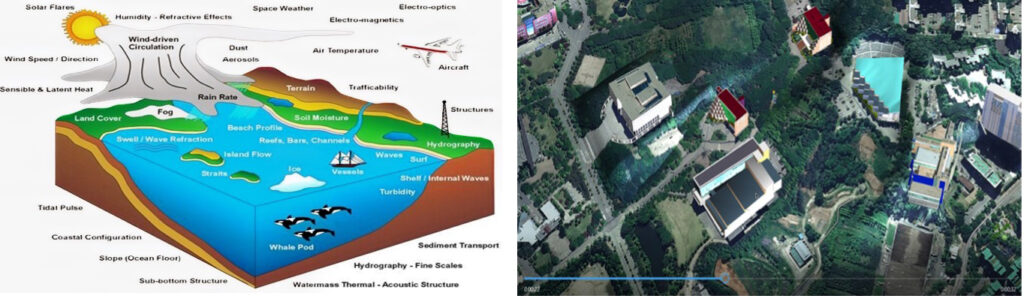
Third, VR/AR/MR based information processing standards are used to simulate virtual worlds with real world information. ISO/IEC 18038 Sensor representation in mixed and augmented reality can be used to define sensor information processing. Real world information such as data from various types of sensor devices can be represented and simulated in virtual worlds. ISO/IEC 18039 Mixed and Augmented Reality (MAR) reference model provides metaverse systems with the basic components that are necessary to define and implement them. ISO/IEC 18040 can be used to define live actor and entity representation in virtual worlds using MAR technologies. JTC 1 also provides for multimedia storage, communication and coordination, and the handling of 3D visual and audio content. The encoding technologies for audio, picture, multimedia, and hypermedia information can be used for the metaverse. In relation to encoding, there are standards such as ISO/IEC 14496-16 Animation Framework eXtension (AFX), ISO/IEC 14496-25 3D graphics compression model, ISO/IEC 23008-3 3D audio, ISO/IEC 23090-2 Omnidirectional media format (OMAF), ISO/IEC 23090-5 Visual volumetric video-based (V3C) and video-based point cloud compression (VPCC), and others (Figure 5).
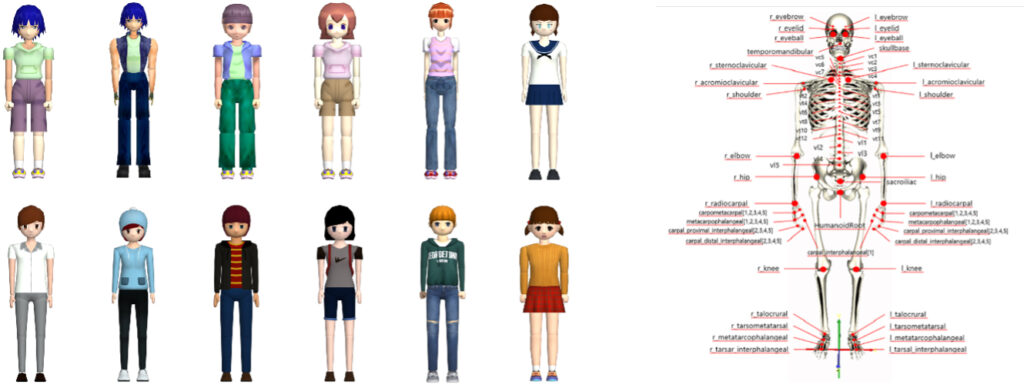
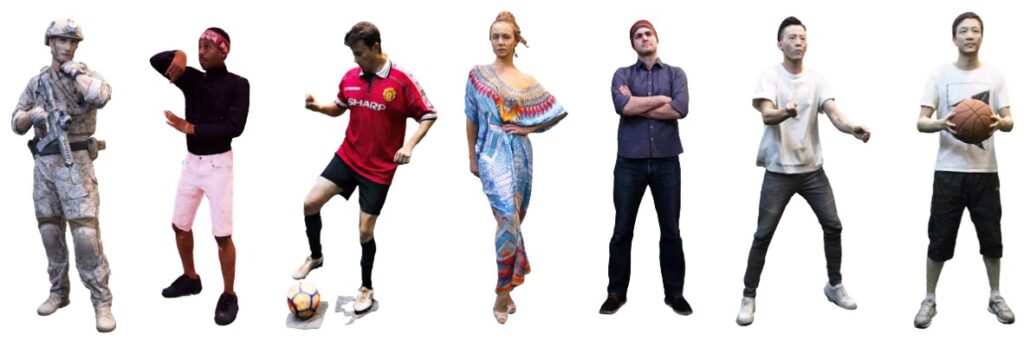
Fourth, there are standards related to knowledge and semantic information processing in 3D virtual worlds. Virtual worlds should have semantic information so that avatars or users can recognize and obtain real environment information in the corresponding virtual environment. ISO/IEC 18023 Synthetic Environment Data Representation and Interchange Specification (SEDRIS) specifies semantic information related to the real world represented in virtual worlds. ISO/IEC 19775 Extensible 3D (X3D) can include real world information for each 3D object in a virtual environment using meta statements. Knowledge transfer between the real world and a virtual world can be obtained through annotation interfaces. ISO/IEC 19788 Metadata for Learning Resources can be used to specify metadata elements and their attributes for semantic definition in virtual worlds. The ISO/IEC 4932 “Information technology for learning education and training – Access for all (AfA) metadata for Individualised accessibility – AfA Core Terms” can be used to describe and specify personal needs and preferences which can then be matched by resource components that are accessible to the user. ISO/IEC TR 20748 Learning analytics interoperability provides efficient communication and operation between systems and services. ISO/IEC 22602 Competency models expressed in MLR specifies the exchange and integration of heterogeneous descriptions of competency for metadata learning resources. ISO/IEC 23126 Ubiquitous learning resource organization and description framework provides features for dynamic aggregation of resources.
Fifth, standards for cyber security, identity, and authority should be provided for 3D virtual worlds since metaverse platforms will be used everywhere for business, education, social uses, etc. This means the collection of a great deal of personal and organizational information. JTC 1 provides standards about information security, cybersecurity, and privacy protection.
Sixth, standards for ICT integration technologies within diverse industry sectors and for diverse applications should be provided for the metaverse. It is expected that there will be business opportunities in the metaverse for almost every type of industry. For metaverse applications, ICT integration standards will be necessary. For example, JTC 1/SC 24 and SC 36 established JWG 12 for metaverse application services in ICT integration areas.
Finally, because it is expected that the JTC 1 technologies mentioned here will be used for the metaverse, governance guidelines for management of the metaverse must be prepared. Our society is moving rapidly towards ubiquitous virtual world services. With more and more people meeting in virtual worlds, problems of society will arise inside these virtual worlds. JTC 1 governance related to order, morals, and ethics in the metaverse should be provided. Because the metaverse is based on ICT technologies, problems may arise due to the inappropriate use of ICT information. Therefore, JTC 1 should provide guidelines for proper ICT information usage in the metaverse.
This article has focused on virtual worlds, connection and integration of the real world into virtual worlds, knowledge and semantic information processing, ICT integration with industries, and governance related topics from a JTC 1 perspective. However, many other JTC 1 standards will be required for the metaverse. It is expected that JTC 1 will provide a systematic structure for the metaverse that includes all other JTC 1/SCs.
Dr. Myeong Won Lee
ISO/IEC JTC1/SC24 Chair
In collaboration with
Dr. Gary J. Sullivan
ISO/IEC JTC1/SC29 Chair and
Dr. Jon Mason
ISO/IEC JTC1/SC36 Chair
Recent Comments