

ISO/IEC AI workshop sessions
on 03 and 04 June

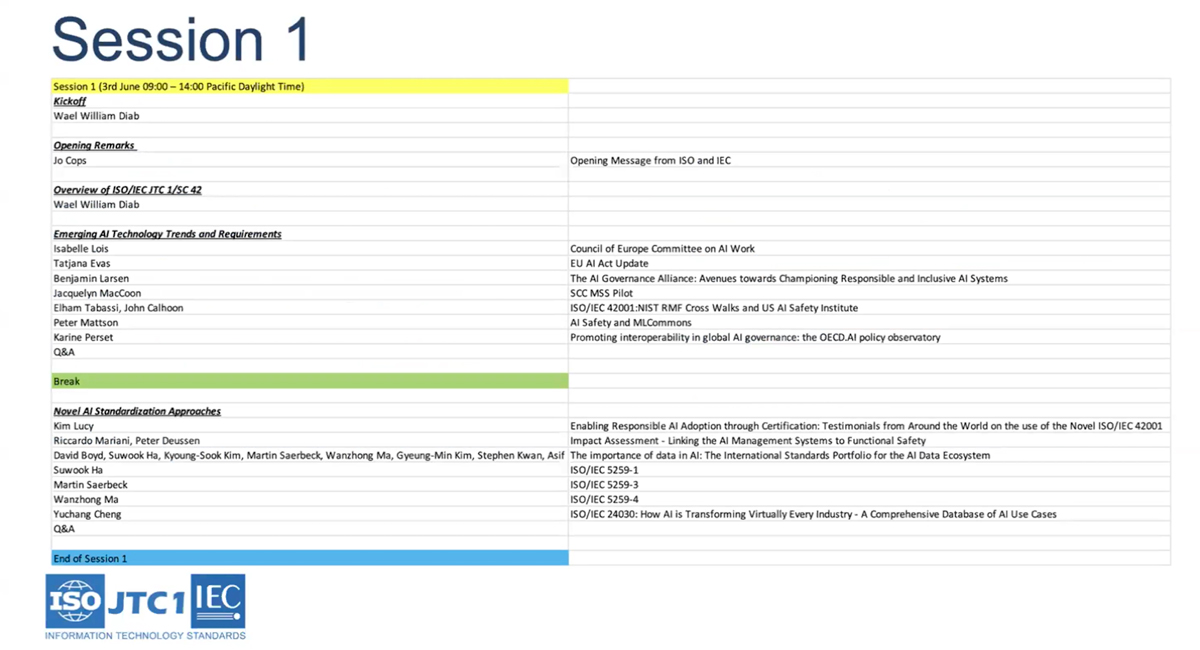
Programme
03 rd June 09:00 – 14:00 Pacific time
Kick-off
Wael William Diab
Opening Remarks
Jo Cops
Overview of ISO/IEC JTC 1/SC 42
Wael William Diab
Emerging AI Technology Trends and Requirements
Isabelle Lois – Council of Europe Committee on AI Work
Tatjana Evas – EU AI Act Update
Benjamin Larsen – The AI Governance Alliance: Avenues towards Championing Responsible and Inclusive AI Systems
Jacquelyn MacCoon – SCC MSS Pilot
Elham Tabassi, John Calhoon – ISO/IEC 42001:NIST RMF Cross Walks and US AI Safety Institute
Peter Mattson – AI Safety and MLCommons
Karine Perset – Promoting interoperability in Global AI Governance:
the
OECD.AI Observatory
Novel AI Standardization Approaches
Kimberly Lucy – Enabling Responsible AI Adoption through Certification: Testimonials
from Around the World on the use of the Novel ISO/IEC 42001
Riccardo Mariani, Peter Deussen – Impact
Assessment – Linking the AI Management Systems to Functional Safety
David Boyd, Suwook Ha, Kyoung-Sook Kim, Martin Saerbeck, Wanzhong Ma, Gyeung-Min Kim, Stephen Kwan, Asif Malik
– The importance of data in AI: The International Standards Portfolio for the AI Data Ecosystem
Suwook Ha – ISO/IEC 5259-1
Martin Saerbeck – ISO/IEC 5259-3
Wanzhong Ma – ISO/IEC 5259-4
Yuchang Cheng
– ISO/IEC 24030: How AI is Transforming Virtually Every Industry – A Comprehensive Database of AI Use Cases
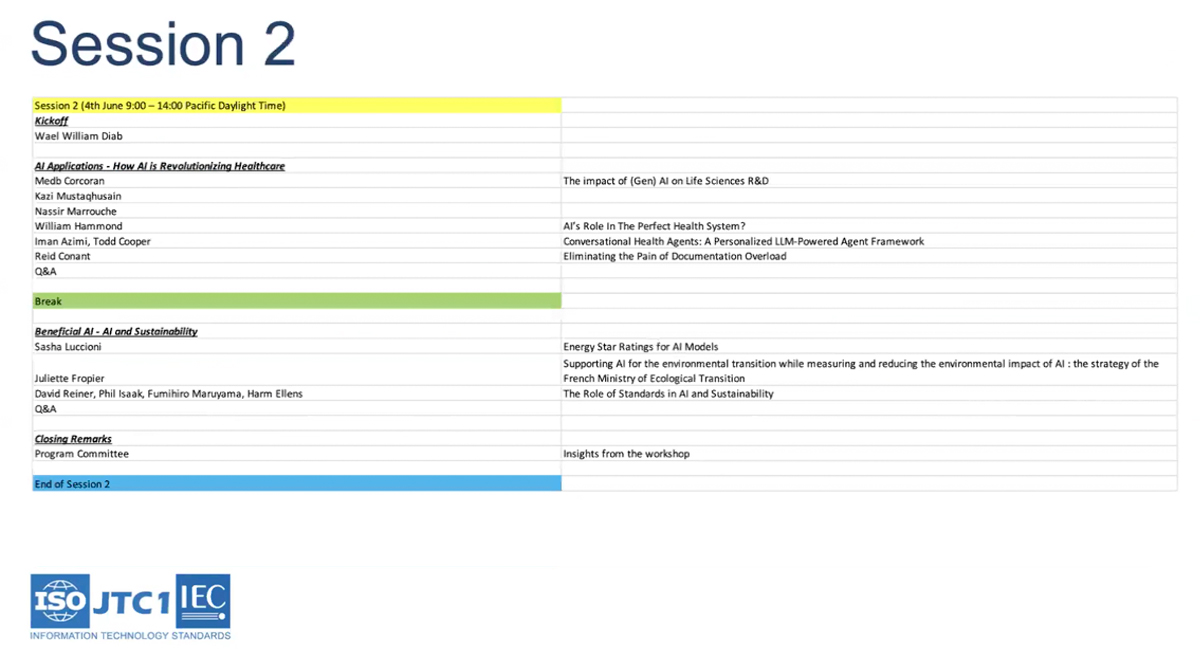
04 th June 09:00 – 14:00 Pacific time
Kick-off
Wael William Diab
AI Applications – How AI is Revolutionizing Healthcare
Medb Corcoran – The impact of (Gen) AI on Life Sciences R&D
Kazi Mustaqhusain
Nassir Marrouche
– Artificial Intelligence in My Clinical Practice –
Presentation here
Reid Conant – Eliminating
the Pain of Documentation Overload –
Presentation here
William Hammond – AI’s Role In The Perfect Health System?
–
Presentation here
Iman Azimi, Todd Cooper – Conversational Health Agents: A Personalized
LLM-Powered Agent Framework –
Presentation here
Beneficial AI – AI and Sustainability
Sasha Luccioni – Energy Star Ratings for AI Models –
Presentation here
Juliette Fropier – Supporting AI for the environmental transition while
measuring and reducing the environmental impact of AI : the strategy of the French Ministry of Ecological Transition –
Presentation here
David Reiner, Phil Isaak
Fumihiro Maruyama, Harm Ellens –
The Role of Standards in AI and Sustainability –
Presentation here
Closing Remarks
Program Committee
Moderators: Norbert Bensalem, Peter Deussen, Rohit Israni and Wael William Diab
Video recordings of the two sessions
Speakers
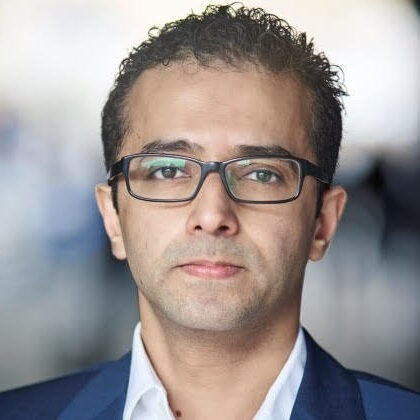
Asif Malik, editor for Synthetic Data.
Asif has worked as a lead enterprise architect and a technology leader in the Public Sector, Financial Services and Retail industries in United Kingdom and countries in Asia Pacific. He has conducted technology transformation programs and helped organisations in their assurance, accreditation and certification on ISO standards. In his role with British Standards Institute and ISO, he has contributed to the AI Standard ISO/IEC 23053, AI and Data Lifecycle Management. He is currently the editor for Synthetic Data.

Benjamim Cedric Larsen, AI and Machine Learning Project Lead at the World Economic Forum’s Centre
Benjamin Cedric Larsen, PhD, is AI and Machine Learning Project Lead at the World Economic Forum’s Centre for the Fourth Industrial Revolution in San Francisco. He co-leads work on the Governance Alliance, a multistakeholder effort that guides AI policy, development and application globally. Benjamin holds a PhD in AI governance from Copenhagen Business School, and held visiting researcher positions at the Chinese Academy of Sciences and Stanford University. His research spans AI governance, from technical dimensions to broader implications for policy and society.

David Boyd, convenor of SC 42/WG 2 Data
David Boyd has over 45 years experience designing and developing data intensive systems for the US Government.
David has been supporting standards development in the area of Big Data and AI for the past 12 years with both NIST and ISO. David was editor of three of the Big Data standards originally developed under WG9 and transferred to the SC42 portfolio.
He is currently serving as convenor of SC 42/WG 2 Data.
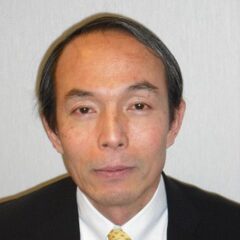
Fumihiro Maruyama, Researcher at Standardization Promotion Center, National Institute of Advanced Industrial Science and Technology (AIST). Convenor of SC 42/WG 4 Use Cases and Applications
Dr. Maruyama is an invited fixed-term researcher at Standardization Promotion Center, National Institute of Advanced Industrial Science and Technology (AIST), Tsukuba, Japan. He is also a special adviser on AI education at Chuo Computer & Communication College Group (CCG). He has been serving as convenor of ISO/IEC JTC 1/SC 42/WG 4 (AI use cases and applications) since the establishment of SC 42 in 2018. Before joining AIST and CCG, he worked for Fujitsu Laboratories Ltd., Kawasaki, Japan, where he was engaged in research and development of CAD, AI, and CRM solutions and served for four years as managing director of Fujitsu Laboratories of Europe, London, UK.
Dr. Maruyama received his B.S. degree in Mathematical Engineering and Dr. of Engineering degree in Information Engineering from the University of Tokyo. He was awarded the IPSJ (Information Processing Society of Japan) 20th Anniversary Best Paper Award and the Prof. Motooka Commemorative Award. He is a member of IEEE, IPSJ, the Institute of Electronics, Information and Communication Engineers of Japan, the Society for Serviceology, and the Japanese Society for Artificial Intelligence, where he served as executive vice president and auditor for four years and received Distinguished Service Award
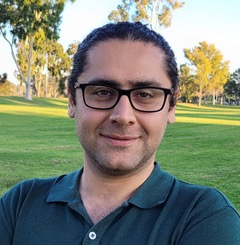
Iman Azimi, Assistant Director at the UCI Institute for Future Health
Iman Azimi serves as the Assistant Director at the UCI Institute for Future Health. Additionally, he is an adjunct professor of Health Data Analytics at the University of Turku. Iman earned his Ph.D. in Information and Communication Technology from the University of Turku (Finland) in 2019 and completed his M.Sc. in Artificial Intelligence and Robotics at Sapienza University of Rome (Italy) in 2014. His research spans machine learning and deep learning, generative AI, and biomedical signal processing. He actively contributes to digital health projects focusing on mental health, maternal health, and personalized data analytics. In these projects, Iman develops and applies AI-based techniques to extract insights from physiological, behavioral, and contextual data collected from smart wearable and portable devices.
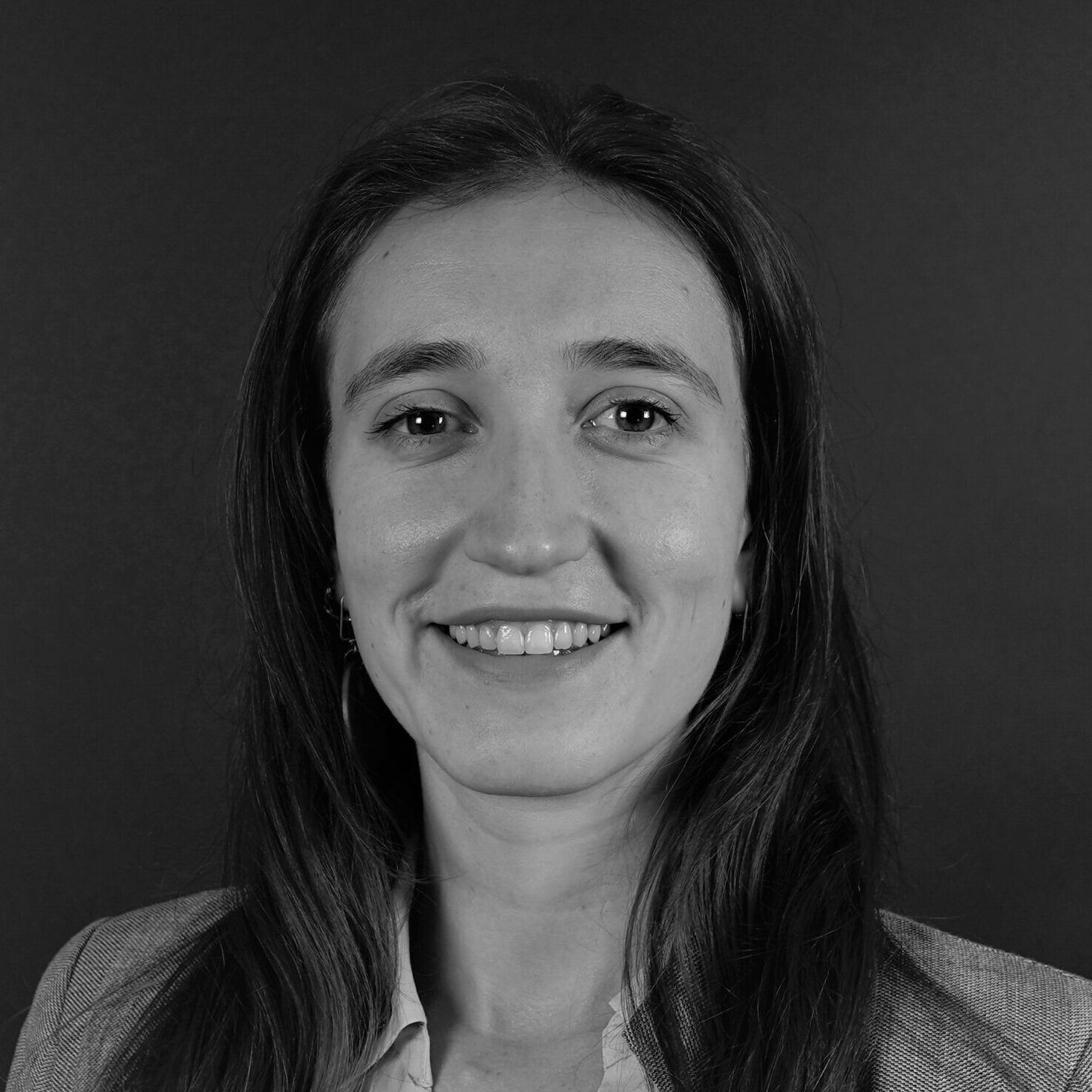
Isabelle Lois, Senior policy advisor at the Swiss Federal Office of Communications (OFCOM)
Isabelle Lois, a skilled jurist with a focus on public international law from the University of Leiden, adeptly bridges the realms of legal frameworks and international relations. Currently working as a senior policy advisor at the Swiss Federal Office of Communications (OFCOM), she oversees a spectrum of pressing matters, including artificial intelligence (AI), data governance, internet governance, and media regulation. Amidst the dynamic landscape of AI governance, Ms. Lois actively contributes as the vice-chair of AIGO (the OECD Working Group on AI Governance), shaping the OECD’s AI governance framework. Beyond her work with the OECD, Isabelle engages in diplomatic endeavors, notably representing Switzerland in recent negotiations for the AI treaty on human rights, democracy, and the rule of law at the Council of Europe.
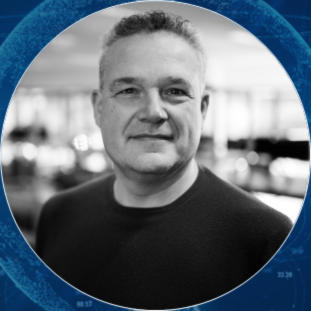
Harm Ellens, Director of AI Advisory Services
As a Director of AI Advisory Services, Harm works with public, private, and government organisations across the Asia-Pacific region to create and implement AI-driven enterprise solutions and digital transformation strategies. With over 20 years of experience in evaluating, developing, sourcing, deploying, and assessing AI systems, he has a deep understanding of the technical, ethical, and business aspects of AI.
His mission is to enable responsible, ethical, sustainable, and conversational AI that benefits all stakeholders.
Harm is the co-chairperson of ISO/IEC SC42 WG 3, where he coordinate the development of international AI trustworthiness standards and roadmaps, and a Working Group Convenor of AS IT-43 that adapt international standards to the Australian context and provides input into the strategic direction of the Australian contribution to the global standards development. He is project editor for ISO/IEC TR20226 – Environmental sustainability aspects of AI systems.
He is passionate about sharing my AI expertise and insights with various stakeholders, including academia, government, professional associations, consumer advocacy groups, and industry conferences.
Harm is the chairperson of the Industry Advisory Advisory committee at the School of Mathematics of Melbourne’s RMIT and the Vice-President on the boards of Asperger’s Victoria and the Cruising Yacht Association of Victoria.
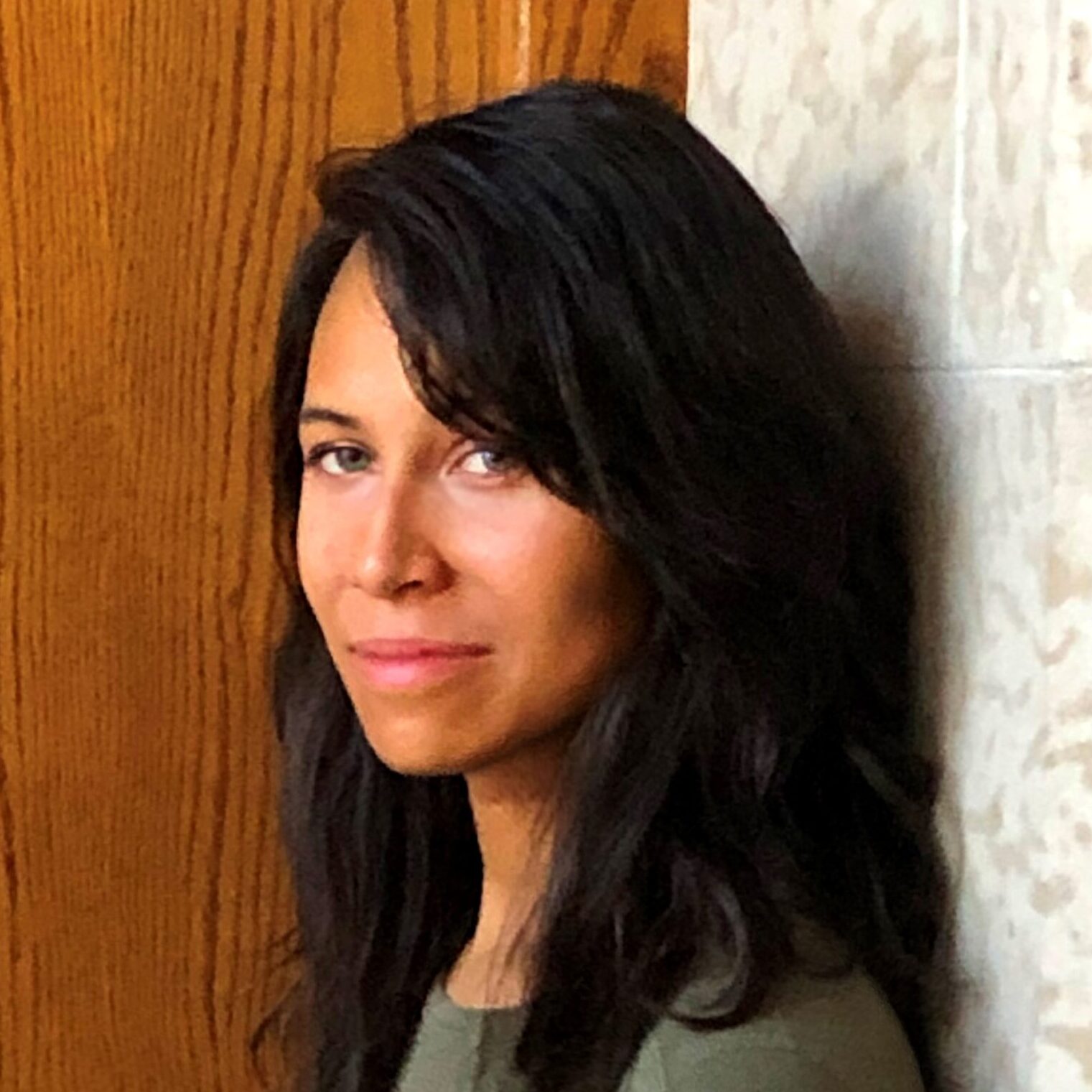
Jacquelyn MacCoon, Senior Project Manager in Accreditation Services at the Standards Council of Canada
Jacquelyn MacCoon is a Senior Project Manager in Accreditation Services at the Standards Council of Canada. Her work involves piloting and developing new accreditation programs in the areas of AI, cyber security, and digital credentials. She was part of the team that led a first-in-kind conformity assessment pilot for artificial intelligence management systems.
This project provided a unique Canadian test environment for ISO/IEC 42001 Management Systems, Artificial Intelligence. Feedback from the pilot will help shape future requirements for organizations using artificial intelligence.
Jacquelyn also works on accrediting Canadian policy for verifiable credentials, helping to establish a certification program for digital trust infrastructure. With a keen knowledge of failure analysis and enterprise risk management, Jacquelyn supports SCC in the development of impactful accreditation programs in these rapidly advancing areas, such as AIMS.

John Calhoon, Director of Standards Engagements in the Microsoft Corporate Standards Group.
John Calhoon is a Director of Standards Engagements in the Microsoft Corporate Standards Group. He is currently engaged in several areas of standardization including Cloud Computing and Artificial Intelligence. Mr Calhoon is the Project Editor of ISO/IEC 23186 Trusted processing of multi-sourced data, ISO/IEC 23751 Data sharing agreement framework, ISO/IEC 19944-2 Data flow, data categories and data use – Part 2: guidance on application and extensibility and ISO/IEC 19941 Cloud computing Interoperability and portability. John is the International Representative for INCITS Cloud Computing which is the US TAG to ISO/IEC JTC 1 SC-38 Cloud Computing and Distributed Platforms and for INCITS AI which is the US TAG to ISO/IEC SC42 Artificial Intelligence where he also serves as Head of Delegation for the US. Mr. Calhoon is also an alternate member of the INCITS Executive Board and past Chair of the INCITS Procedures Board Committee and past Chair of INCITS IT and Data Center Sustainability.
In his 25 plus years of participation in standards, John has worked in several technical domains including device connectivity, document formats, digital media and networking.

Juliette Fropier, AI & Ecological Transition Project Manager – Ministries Ecology Energy Territories
Juliette Fropier is part of Ecolab, the innovation lab of the French Ministry of Ecological Transition. Ecolab works for the valorization of public data and innovative answers to the double emergency of ecological transition and digital transformation. As such, Ecolab is responsible for the AI & ecological transition roadmap of the French government, in conjunction with all the ministries involved in the AI national strategy. This roadmap addresses how AI can help local authorities, companies and ministries reduce their consumption of resources and act in the interest of the protection of biodiversity, the reduction of pollution and the adaptation to global warming. It also addresses the issue of the environmental impact of the development of AI itself.
Karine Perset, heads the AI Unit of the OECD Division for Digital Economy Policy
Karine Perset heads the AI Unit of the OECD Division for Digital Economy Policy, where she oversees the OECD. AI Policy Observatory and the OECD.AI Network of Experts. She focuses on the opportunities and challenges AI raises for governments, policies to help implement the OECD AI Principles and developing trends in AI. Previously she was Advisor to ICANN’s Governmental Advisory Committee and Counsellor of the OECD’s Science, Technology and Industry Director. Karine is Franco-American.

Kimberly Lucy, Director of GRC Standard, Microsoft
Kim Lucy is a Director of GRC Standards at Microsoft, where she has worked for over a decade. She began her career at E&Y performing info security auditing and consulting. Kim has practical experience implementing and auditing security and privacy standards for diverse organizations, and now works as part of Microsoft’s Corporate Standards Group, participating in ISO standards committees to help develop, draft, and revise international standards for artificial intelligence, privacy, and cybersecurity.
She is particularly interested in the alignment of international standards to regulatory and legal frameworks for emerging technologies such as artificial intelligence, and how organizations can leverage these standards for regulatory compliance.
Medb Corcoran, Managing Director of Accenture Labs in Ireland
Medb Corcoran has 20+ years experience in data science and AI, leading highly skilled, quantitative teams in consulting, industry and R&D. She holds a BSc in mathematics from Oxford University and an MSc in applied mathematics from Dublin City University.
Medb is Managing Director of Accenture Labs in Ireland, one of Accenture’s seven key research hubs around the world, with the Lab in Dublin focusing on AI and BioInnovation. In her role at Accenture Labs, Medb incubates and prototypes new concepts through applied R&D projects that are expected to have a significant strategic impact on Accenture, its clients and society. She also drives the R&D agenda – this involves exploring new ways of addressing critical business problems by applying leading-edge AI techniques, including generative AI, machine learning, knowledge representation and reasoning.
She also leads our Bioinnovation Incubation teams globally, overseeing a portfolio of in silico science R&D projects with clients in Life Science and Health and CPG, where the focus is on bringing the cutting edge research we develop in the labs to scale with clients and into Accenture’s products and services.
Passionate about education and skills, Medb works closely with a number of third level institutions to help shape degrees in AI and Data Science, and as SciFest Charity Board member actively promotes STEM in first and second level institutions.

Mustaqhusain Kazi, Chairperson of the Alliance for Artificial Intelligence in Healthcare
Mustaqhusain Kazi is the Chairperson of the Alliance for Artificial Intelligence in Healthcare (AAIH) and Global Head of Roche Informatics Strategy & Digital Innovation at Roche/Genentech, a Global Biotech Company. In this capacity, he focuses on driving Roche’s overarching Informatics Strategy to deliver on Roche’s 10-Year Ambitions, including the Global AI Strategy and high-impact Digital Innovation initiatives. This work powers us to realize game-changing opportunities across the entire value chain from R&D, Commercial, Manufacturing, and others that meet the dynamic needs of the company’s Pharma, Diagnostics, and Insights businesses.
Over the past decade, Kazi focused on a cross-functional effort to develop and implement a Roche-wide Data & Digital Backbone, grew Roche’s Personalized Healthcare (PHC) strategy, and assembled a high performing team that built and enabled Roche’s efforts to use multi-modal data (real-world data, genomics, clinical imaging, and digital health) to accelerate the discovery, development, & delivery of personalized medicines & diagnostics to patients.
Kazi has over 20 years of experience in the Pharmaceutical & Life Sciences, High Tech, Petrochemicals, and Renewable Energy industries. He has held various senior leadership roles and demonstrated expertise in building high-performing organizations, driving end-to-end strategy, leading the implementation of enterprise information systems, implementing digital transformation strategies, and building impactful, value-added solutions from the ground up.
Nassir F. Marrouche, Professor in the Division of Cardiovascular Medicine within the Department of Internal Medicine at Tulane University
Dr. Nassir F. Marrouche is a globally renowned electrophysiologist and pioneer in the treatment of atrial fibrillation.
He is a tenured Professor in the Division of Cardiovascular Medicine within the Department of Internal Medicine at Tulane University and is the Vice Chair of Innovation and Entrepreneurship at Tulane University Deming Department of Medicine, the Director of the Tulane Heart and Vascular Institute and Director of the Tulane Research Innovation for Arrythmia Discoveries (TRIAD) research lab.
His arrhythmia center is bringing together a cross-departmental team of physicians, scientists, researchers, MRI imaging specialists, and AI engineers, dedicated to work collaboratively to innovate and improve successful prediction, prevention and outcomes in the treatment of cardiovascular disease.
One of their main research areas is to develop and optimize digital health solutions to achieve those aims. He received his medical degree from the University of Heidelberg, Germany. He went on to complete his residency in Internal Medicine and Cardiology at Klinikum Coburg, teaching hospital of the University of Wurzburg, and completed clinical clerkships at the Cleveland Clinic Foundation, Harvard Medical School, University of Bristol, and University of Washington Medical Center.
From there, he moved his training abroad where he completed Fellowships at the University of California, San Francisco, and the Cleveland Clinic Foundation. He is a Fellow of the American College of Cardiology and Heart Rhythm
Society.
Dr. Marrouche has published his research findings in more than 200 peer-reviewed articles and prominent medical journals, including the New England Journal of Medicine, Circulation and Journal of the American Medical Association
(JAMA).
Peter Mattson, Senior staff engineer at Google
Peter Mattson is a senior staff engineer at Google. He founded and is President of MLCommons, and founded and was General Chair of the MLPerf consortium that preceded it.
Previously, he founded the Programming Systems and Applications Group at Nvidia Research, was VP of software infrastructure for Stream Processors Inc (SPI), and was a managing engineer at Reservoir Labs. His research focuses on understanding AI models and data through quantitative metrics and analysis. Peter holds a PhD and MS from Stanford University and a BS from the University of Washington.

Phil Isaak, Co-Convenor of SC42/SC39 JAG
Phil Isaak is the Founder and President of Isaak Technologies, an independent data center consulting firm. For more than 25 years he has focused solely in the data center industry. Phil’s experience encompasses data center facilities, network infrastructure, IT platforms and services, to data center operation and design professionals located in 28 countries across 6 continents.
In addition to being a Project Leader for several ISO standards in his involvement with ISO/IEC JTC 1 SC 39, Phil has also participated in the development of ANSI/TIA-942 and ANSI/BICSI 002 data center design standards, ANSI/BICSI 009 data center operations standard as Chair, The Green Grid’s Government Engagement Committee’s (GEC) Data Center Energy Efficiency Standards (DCEE-S) workgroup and the Data Center Energy Efficiency Technologies (DCEE-T) workgroup. Phil is also the Chair of the International Committee for Information Technology Standards (INCITS), IT and Data Center Sustainability, USA Technical Advisory Group (TAG) to ISO/IEC JTC1 / SC39.

Reid Conant, founder of Conant and Associates
Dr. Reid Conant is a pioneering physician executive and entrepreneur with expertise in clinical informatics, leveraging AI to address critical healthcare challenges. As the founder of Conant and Associates, Inc. (CAI), which was acquired by Nuance Communications and is now part of Microsoft, he continues to drive innovation as CMIO at Nuance/Microsoft.
His work focuses on integrating advanced technologies, including virtual assistants and ambient clinical intelligence, to enhance physician-patient interactions and optimize healthcare delivery.
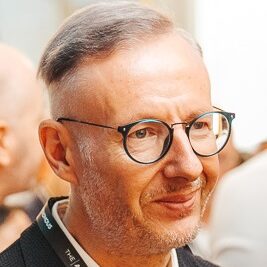
Riccardo Mariani, VP of Industry Safety, NVIDIA
Riccardo Mariani is widely recognized as an expert in functional safety and integrated circuit reliability. In his current role as VP of Industry Safety at NVIDIA, he is responsible for driving safety alignment across NVIDIA’s automotive and embedded business units. To this end, he is responsible for developing cohesive safety strategies and cross-segment safety processes, architecture, and products that can leveraged across NVIDIA’s AI-based hardware and software platforms.
Prior to NVIDIA, he was chief functional safety technologist at Intel Corporation, where he oversaw strategies and technologies for IoT applications that require functional safety, high reliability, and performance, such as autonomous driving, transportation, and industrial systems. Riccardo Mariani is 2022 First VP of IEEE Computer Society and chair of the IEEE Computer Functional Safety Standards Committee.
Mariani spent the bulk of his career as CTO of Yogitech, an industry leader in functional safety technologies. A prolific author and respected inventor in the functional safety field, Mariani has contributed to multiple industry standards efforts throughout his career, including leading the ISO 26262-11 part specific to semiconductors and co-editing ISO/TR 5469 on Artificial Intelligence and Safety. He is the recipient of the 2021 Ron Waxman DASC Meritorious Service Award. He holds a bachelor’s degree in electronic engineering and a Ph.D. in microelectronics from the University of Pisa in Italy.
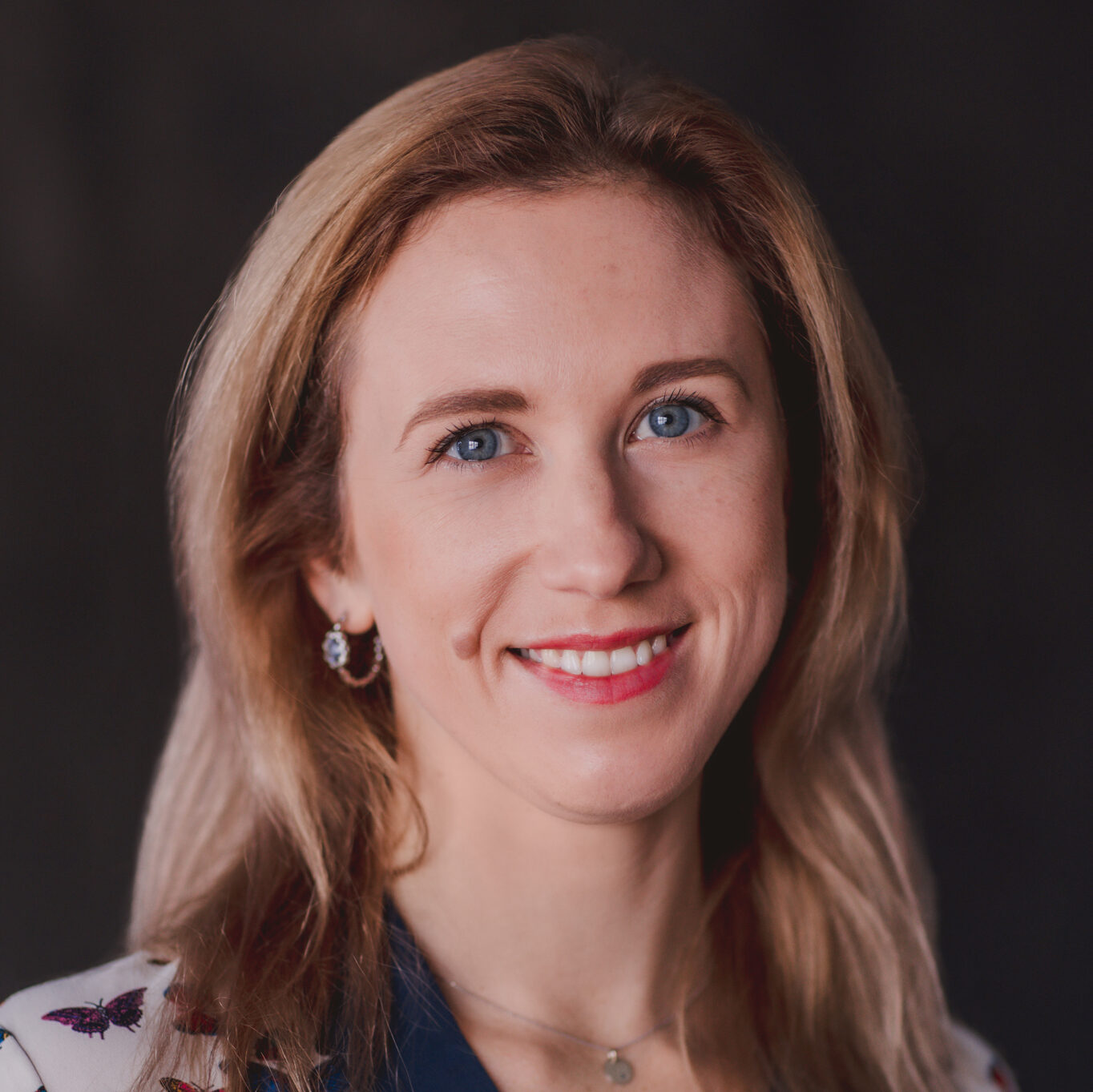
Sasha Luccioni, Leading scientist at the nexus of artificial intelligence, ethics, and sustainability
Dr. Sasha Luccioni is a leading scientist at the nexus of artificial intelligence, ethics, and sustainability, with a PhD in AI and a decade of research and industry expertise. She is the Climate Lead at Hugging Face, a global startup in responsible open-source AI, where she spearheads research, consulting and capacity-building to elevate the sustainability of AI systems.
A founding member of Climate Change AI (CCAI) and a board member of Women in Machine Learning (WiML), Sasha is passionate about catalyzing impactful change, organizing events and serving as a mentor to under-represented minorities within the AI community.
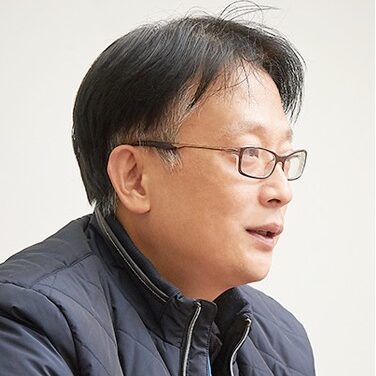
Suwook HA, Standard architect specializing in AI and data
Dr. Suwook HA is a standard architect specializing in AI and data.
He is a principal researcher at ETRI (Electronics and Telecommunications Research Institute) in South Korea. With a strong background in technical development and international standardization management, Dr. HA has worked in areas such as artificial intelligence, big data, and cloud technologies. Currently, Dr. HA is the project editor of ISO/IEC 5259-1, contributing to the development of AI standards on a global scale.
Tatjana Evas, Legal and Policy Officer at European Commission (DG CNECT)
Dr. Tatjana Evas is a Legal and Policy Officer in the European Commission (DG CNECT) in the unit responsible for AI Policy Development and Coordination. She is one of the lead drafting and negotiating team members of the Commission proposal for the AI Act. She is responsible for the ongoing work on the development of AI standards and conformity assessment, market surveillance, cybersecurity and liability as well as relationship of AI Act proposal with the sectoral legislation, in particular, on medical devices and automotive.
Tatjana is also responsible for international collaboration on AI in G7 and the OECD where she is a vice-chair of the OECD Working Party on Artificial Intelligence Governance (AIGO). Tatjana holds a PhD in law from University of Bremen (Germany). Before joining European civil service in 2015, Tatjana had extensive professional experience in academia and in non-governmental sector.

William Hammond, PhD, FACMI, FAIMBE, FIMIA, FHL7, FIAHSI
- Director, Duke Center for Health Informatics, Duke Clinical & Translational Science Institute
- Director, Applied Informatics Research, Duke Health Technology Solutions
- Director, Management Masters in Clinical Informatics
- Professor, Community and Family Medicine, School Of Medicine
- Professor, Biometry and Biomedical Informatics
- Research Professor, School of Nursing
- Adjunct Professor, Fuqua School of Business
- Professor Emeritus, Department of Biomedical Engineering
- Duke University
- Chair IAHSI Data Standards Planning Panel
- Distinguished Fellow ACMI
- Captain USNR (retired)
Ed Hammond has provided vision and leadership in most aspects of health informatics for over fifty years. He has been engaged in AMIA, ACMI, IMIA, HL7 International, ISO TC 215, JIC, IEEE, ACM, PAHO, IADB, and various US Government
activities over the years. His current research is in data visualization; realizing interoperability using HL7 FHIR®, SMART® on FHIR, and CDS Hooks; app development; domain analysis modeling, registries, EHRs, databases,
human metrics, wearable devices, computable knowledge phenotypes, SDOH, and creating a master set of common data elements.
He is also committed to the concept of learning health as the primary way in which we can most effectively increase the quality and performance of health care. He is interested in closing the gap between clinical care and
clinical research, the impact of climate change on health, and introducing diversity, equity, and inclusion into the healthcare process. He leads a think tank effort to define the perfect health system. He was PI on a just-completed
NCATS grant to automate and digitize the entire process in support of a single IRB for multiple site IRBs using HL7 FHIR.
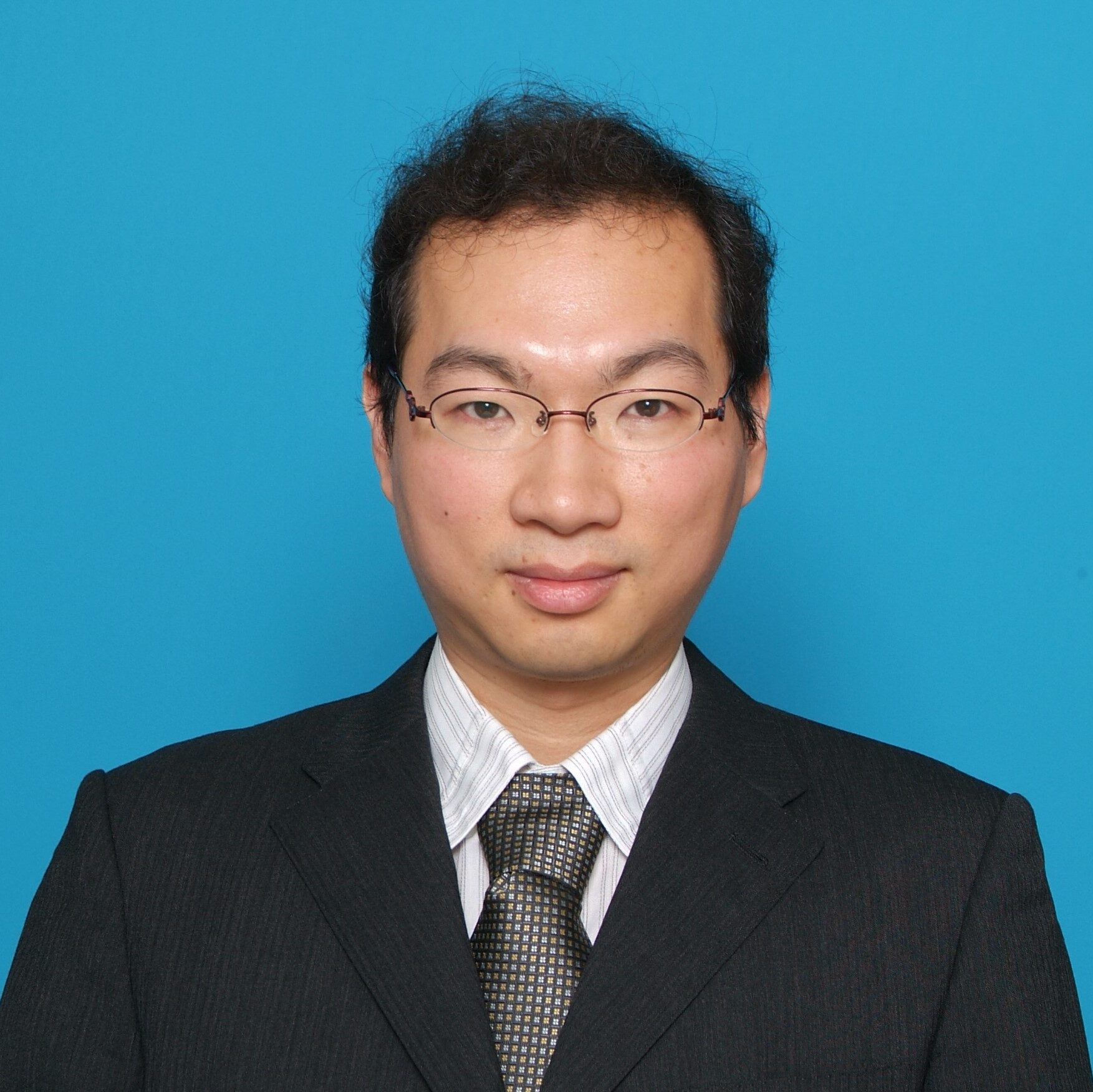
Yuchang Cheng, Senior research manager of AI trust research centre at Fujitsu Limited
Yuchang Cheng is a senior research manager of AI trust research centre at Fujitsu Limited.
His Fujitsu responsibilities are leading the standardization activities of AI, as well as leading the researches of AI trust. In addition, he is a delegate of Japan national body in ISO/IEC JTC 1/SC 42, as well as the expert of SC 42’s working groups.He is leading the development of the following international standard projects as the project editor:
ISO/IEC 5338 (AI system life cycle processes)
ISO/IEC TR 24030 (Artificial Intelligence (AI) — Use cases);
Moderators
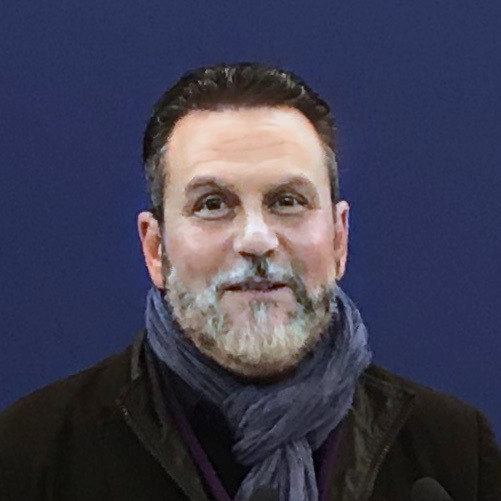
Norbert Bensalem, Technical Relation Executive IBM France
Overview
Over 22 years’ experience in ICT industry, including more than 10 years focusing on Sales and Customer Relationship & Satisfaction. Previous experience in the pharmaceutical industry with a strong focus on processes consolidation
and standardization.
Standardization involvement
Member of AFNOR and ISO/IEC JTC1 since June 2011
Roles
2016- present, AFNOR
• Chairman of the French JTC1 mirror committee GCTI
• Head of the French delegation in international meetings
• Member of an AFNOR steering group COS ICN Information et Communication Numérique
2018- present, ISO/IEC JTC 1 SC 42
• IEC ACOS TF On Collaborative safety rep
• Workshop series committee member
2020- present, ISO/IEC JTC1
• IEC SEG 13 Consortia rep
2014- present, ISO/IEC JTC1
• JTC1 PAS Mentor (OASIS,W3C,GS1, TOG)
2016- present, ISO/IEC JTC1
• JTC1 AG 14 Systems Integration Facilitation (SIF) Convenor
2014-2015, ISO/IEC JTC1
•Member of ISO/TMB SAG on Smart Cities
2011- present ISO/IEC JTC 1
• Technical contributor to several ISO/IEC JTC1 SCs
(SC27 Security, SC38 Cloud & SOA, SC 41 IoT & Digital twin, SC 42 AI, WG 11 Smart Cities)

Peter Deussen, Microsoft National Standards Officer
Peter Deussen assumes the position of the Microsoft National Standards Officer for Germany. In this capacity, he is one of the chairs of the German DIN Committee for Artificial Intelligence.
Peter is Editor of various International Standards, including specifications on Risk Management for Artificial Intelligence, and Artificial Intelligence Impact Assessment. Peter is active in various European and international standardization committees, including ISO/IEC JTC 1, its subcommittees SC 27, SC 38 and SC 42, and CEN-CENELC/JTC 21.
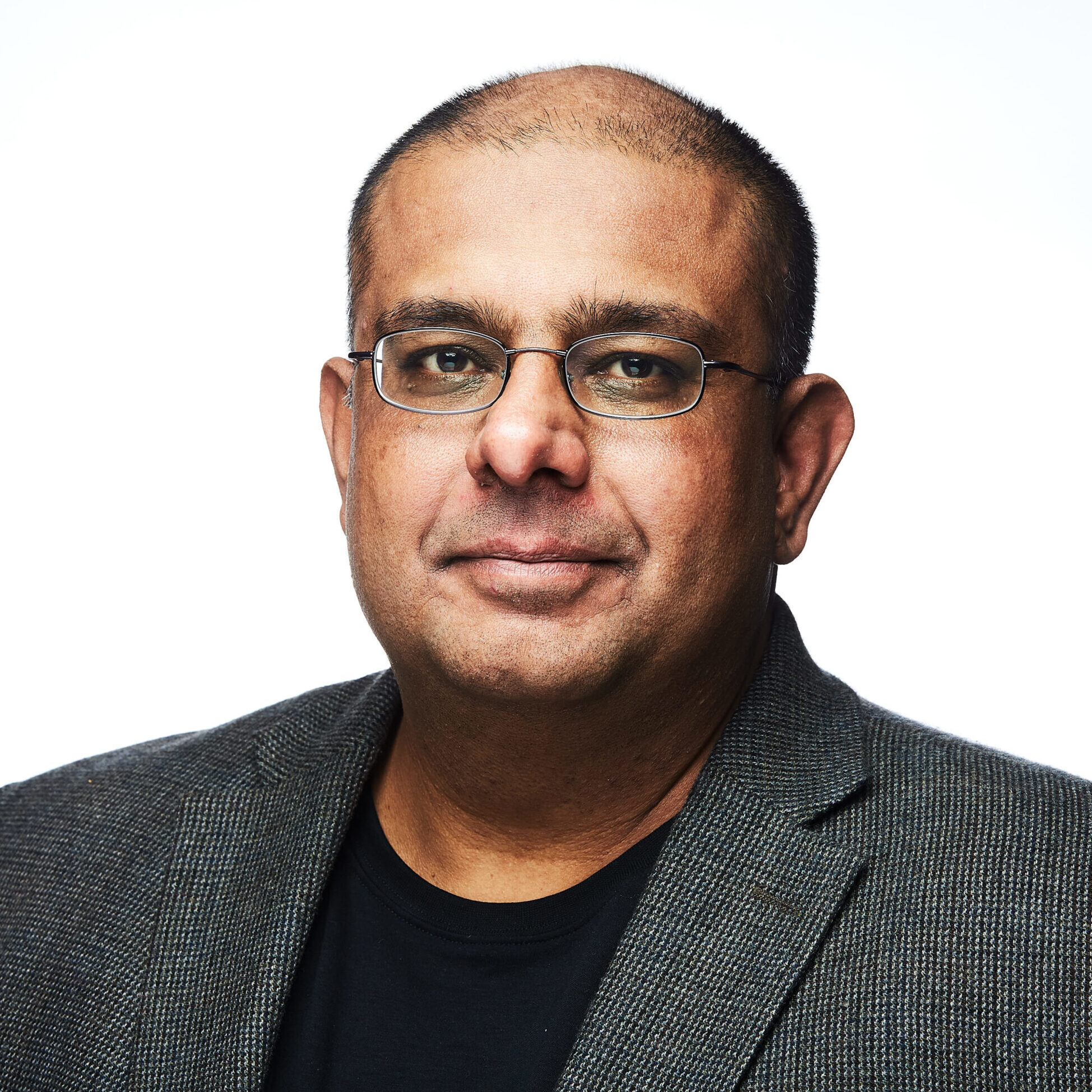
Rohit Israni, CEO CertientAI and Chair INCITS/AI
Rohit is the founder and CEO of CertientAI. He is also the Chair AI Standards for the US national body responsible for developing US positions and contributions to international AI standards being developed by ISO/IEC (ISO/IEC JTC 1/SC 42). He is the liaison for SC 42 with the Organization of Economic Cooperation and Development (OECD). Prior to founding CertientAI, he led Intel’s global scale ecosystem enabling programs in the Developer Relations Division for AI, Datacenter and Network, of which he co-founded the AI partnership program (Intel AI Builders). Here, he built and led a large global team of business development professionals and application engineers chartered with developing partnerships with AI ISVs, SIs, OEMs, CSPs and AI university programs world-wide.
Rohit earned a Masters’ degree in Engineering with a specialization in Robotics and AI from Tulane University. He also holds a Master’s degree in Management Science & Engineering from Stanford University where he was a part of the Stanford Technology Ventures Program.
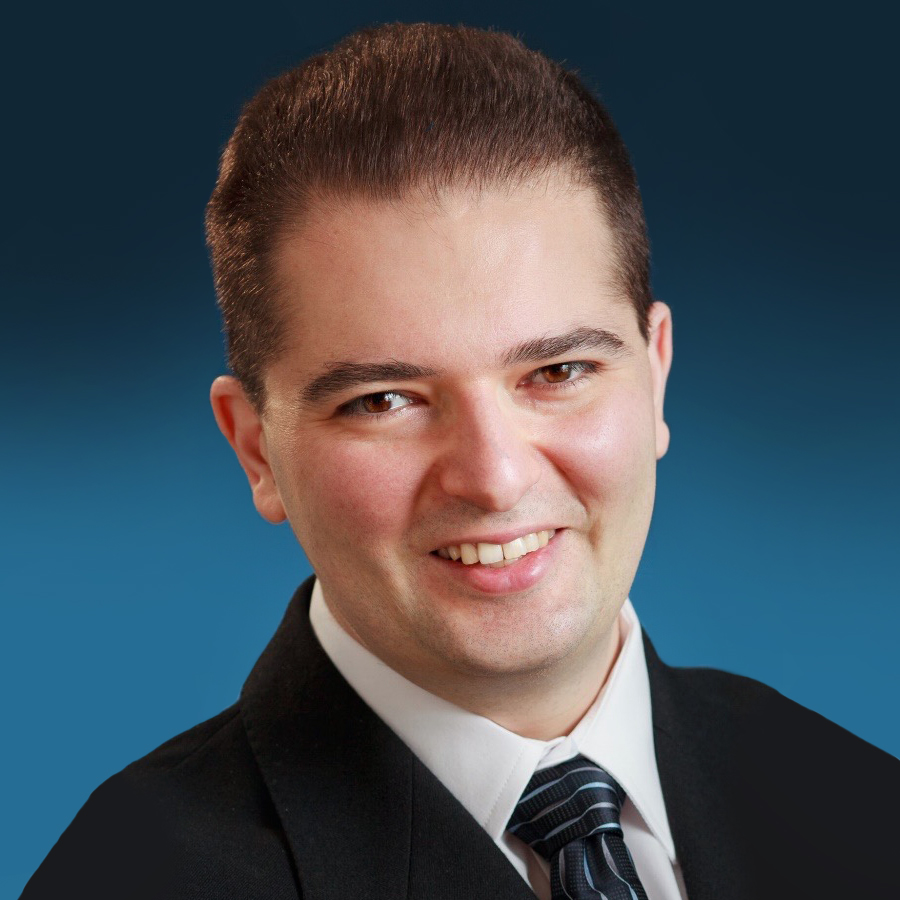
Wael William Diab, Chair of ISO/IEC JTC 1/SC 42 (Artificial Intelligence)
Wael William Diab is a business and technology strategist with more than twenty years of executive experience at Fortune 500 companies in Silicon Valley. He is a prolific inventor with more than 900 patents to his name in the ICT field and an industry recognized expert on digital transformation. Skilled in leadership for breakout technology, Diab has architected strategy, driven industry-wide initiatives, cultivated partnerships, identified M&A