

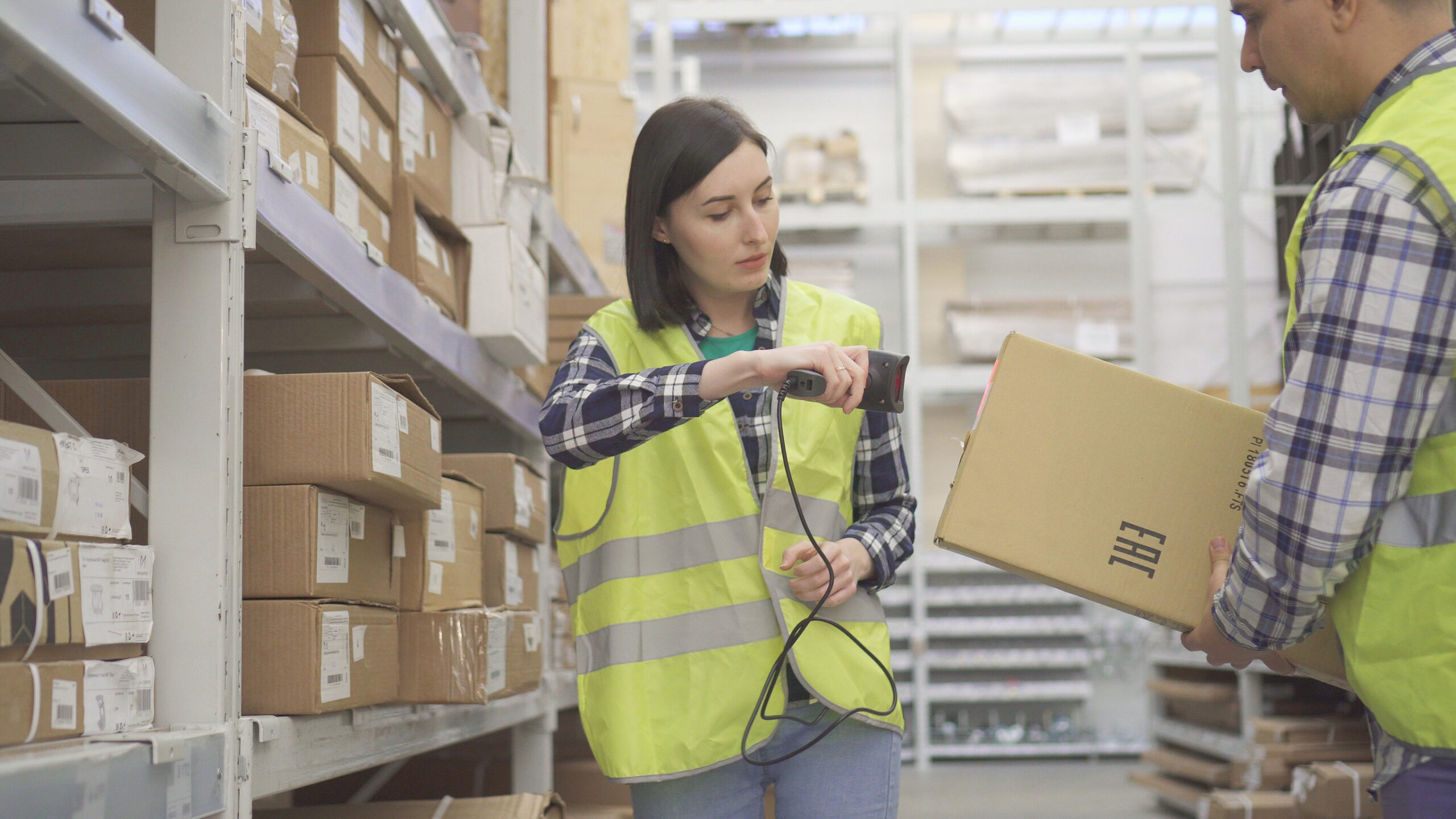
Since 1996, JTC 1/SC 31, cover automatic identification and data capture, has been developing standards, used commonly in societies, across the globe and which we largely overlook.
This year SC 31 celebrates its 25th anniversary, now comprising over 140 experts representing 41 separate national bodies and more than 20 liaison organisations. The committee has evolved since its first chair; Alan Haberman back in 1996 who would have managed reports transferred via diskette. Successive chairs include Chuck Biss (2006-2013), Dan Kimball (2014 -2017) and more recently Henri Barthel since 2018.
Bar codes
Starting with standard developments relating to linear barcodes, e.g., ISO/IEC 15417, Code 128 bar code symbology specification, published over 20 years ago, these documents and their revisions still provide a fundamental and reliable base for encoding identifiers and other data.
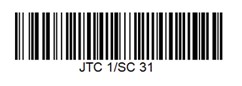
The EAN/UPC barcodes read in retail stores around the globe have also been standardized by JTC 1/SC 31 with ISO/IEC 15420 first published in 2000.

QR codes
Since the introduction of Code 128, barcodes or machine-readable data carriers have evolved to include 2-Dimensional versions. The 2D version has changed the landscape and offers many more users the opportunity to benefit from their use.
For example, the quick response (QR) Code that has become ubiquitous in business to consumer applications was standardized in JTC 1/SC 31 back in 2004 with the publication of ISO/IEC 18004. Another example is DataMatrix, widely used in healthcare and mandated by many governmental agencies around the world to uniquely identify pharmaceutical products and medical devices.

Supporting the adoption of 2D barcodes, ISO/IEC 15415 provides the necessary verification techniques in this area and is the backbone to support applications such as: billions of flight documents, products large and small and more recently marketing material and advertising documents.

Radio Frequency ID
But SC 31 doesn’t stop there. Radio frequency identification (RFID) is another major technology where standards like the ISO/IEC 18000 series have made a big impact, by providing the technical specification for the air interface utilising different radio frequencies from below 135kHz up to 2.45 GHz, which can be encountered in many environments.
The list of applications is endless. Hospitals can quickly locate sterilized medical equipment ready for use and improve patient safety. Railway operators are able to guarantee network availability and enhance passenger safety using RFID solutions to monitor the rolling stock – locomotives, freight cars, flat cars, and other vehicles that use steel wheels on railroad tracks. RFID tags on clothing allow shops to keep detailed inventories in real time.
Many industries use automatic identification and data capture (AIDC) technologies to identify, track and trace items, including retail, logistics, apparel, automobile, healthcare, toll management, tourism, and rail. These applications rely on technically rigorous international standards and SC 31 is committed to continue maintaining and developing standards meeting the needs of its global user base.
Recent Comments