

ISO/IEC AI workshop sessions
on 04 and 06 December

Video recordings of the two sessions


Presentations
04 th December 14:00 – 18:00 Pacific time
Kickoff
Wael William Diab –
Presentation
Opening Remarks
Silvio Dulinsky:
Overview of ISO/IEC JTC 1/SC 42
Wael William Diab –
Presentation
Beneficial AI
Khoa Le – Bridging Gaps: How AI is Solving the Dental Industry’s Biggest
Challenges –
Presentation
Stefano Sedola – An artificial intelligence diagnostic assistant for gastric
inflamation –
Presentation
Harm Ellens – Environmental sustainability aspects and impacts of AI systems
–
Presentation
Novel AI Standardization Approaches
Adam Smith – Operationalizing
treatment of unwanted bias –
Presentation
Olivier Blais – How
Standards Can Guide the Quality Evaluation of AI Systems –
Presentation
Ruiqi Li – Editor of ISO/IEC 5392 Information
Technology – Artificial Intelligence – Knowledge Engineering Reference Architecture –
Presentation
Fumihiro Maruyama, Nobuhiro Hosokawa, Yuchang Cheng, Shrikant Bhat, Harm Ellens, Stephen Kwan
– International standards portfolio to enable AI applications –
Presentation
Yuchang Cheng – Introduction of AI
system life cycle processes –
Presentation
Shrikant Bhat – ISO 5339: Revisiting
Context to Understand Intelligence! –
Presentation
Q&A
06 th December 09:00 – 13:00 Pacific time
Kickoff
Wael William Diab –
Presentation
AI Applications Roundtable – Streams, screens and synthetic dreams: how AI is transforming media and photography
Edy Liongosari
– Impact of AI on media and photography –
Presentation
Andy Maltz – Everything Everywhere All at Once: AI and the Movies –
Presentation
Thomas Bause Mason – AI Media Creation
– Promise and Threat –
Presentation
Maxime Rosello – AI’s Impact on Metaverse –
Presentation
Gary Sullivan – AI in the Multimedia Compression Technologies of ISO/IEC JTC 1/SC 29 –
Presentation
Q&A
Emerging Tech Trends and Requirements
Tatjana Evas – The
EU AI Act – enabler for trust and innovation –
Presentation
Wan Sie – Singapore’s approach to AI
governance –
Presentation
Srivastava Anshumali – Democratization
of AI
Chris Meserole – Introduction
to the Frontier Model Forum
Q&A
Closing Remarks
Program Committee
Moderators: Norbert Bensalem, Peter Deussen, Rohit Israni and Wael William Diab
Speakers

Adam Smith, Chair of the BCS Fellows Technical Advisory Group
Adam Leon Smith is the Chair of the BCS Fellows Technical Advisory Group, on the board of multiple small technology companies, and an AI risk management consultant.
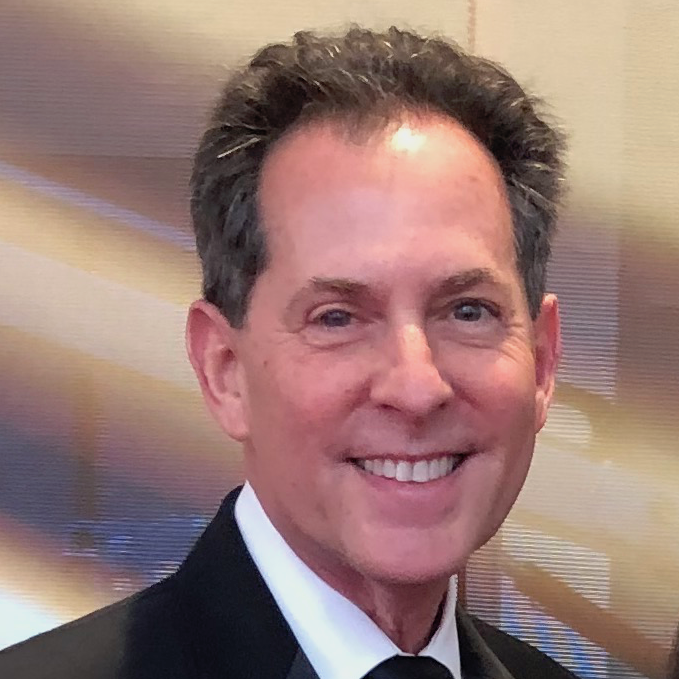
Andy Maltz, Chair, ISO/TC 36 Cinematography
Andy Maltz serves as ISO/TC 36 Cinematography chair and has spent over 4 decades instigating, developing, and deploying technologies in media and entertainment.
Andy’s roles include the founding head of staff of the Academy of Motion Picture Arts and Sciences’ Science Technology Council, founding board member of the Academy Software Foundation, founder and CEO of digital cinema pioneer Avica Technology, and co-initiator of the Advanced Authoring Format, an industry-standard media authoring interchange format.
Andy co-authored the award-winning The Digital Dilemma research reports on digital preservation, received two Engineering Emmy Awards, and is a fellow of the Society of Motion Picture and Television Engineers (SMPTE), where he serves on its Motion Imaging Journal Board of Editors.
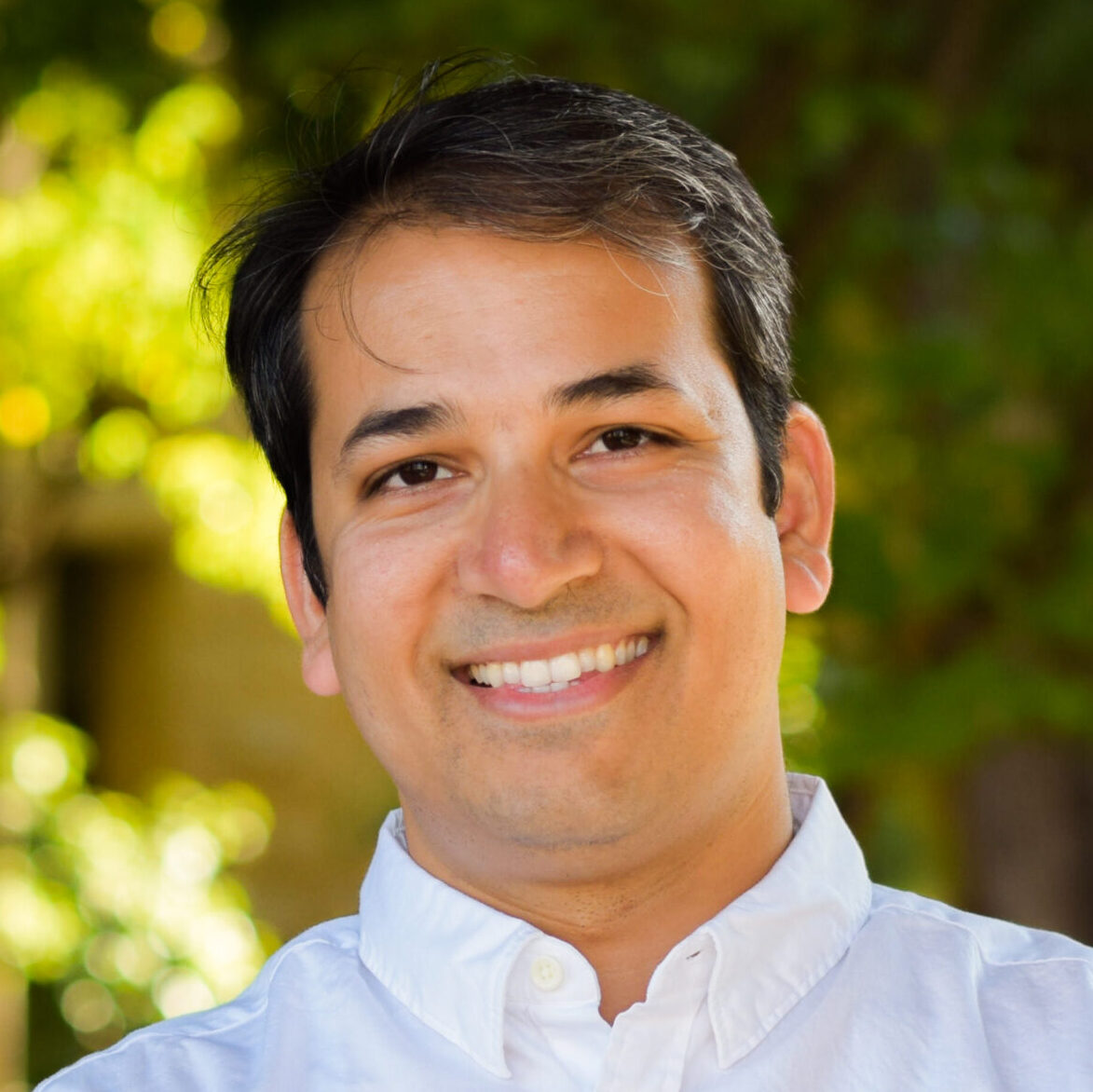
Anshumali Srivastava, founder and CEO of ThirdAI
Dr. Anshumali Srivastava is the founder and CEO of ThirdAI (pronounced third eye), a cutting-edge startup based on 10 years of innovation in finding fundamental ways to make deep learning more efficient and accessible.
He’s currently an associate professor of computer science at Rice University. Previously, he was Amazon Visiting Academic at AWS, and machine learning consultant at Blackstone. He earned a PhD in Computer Science from Cornell University.
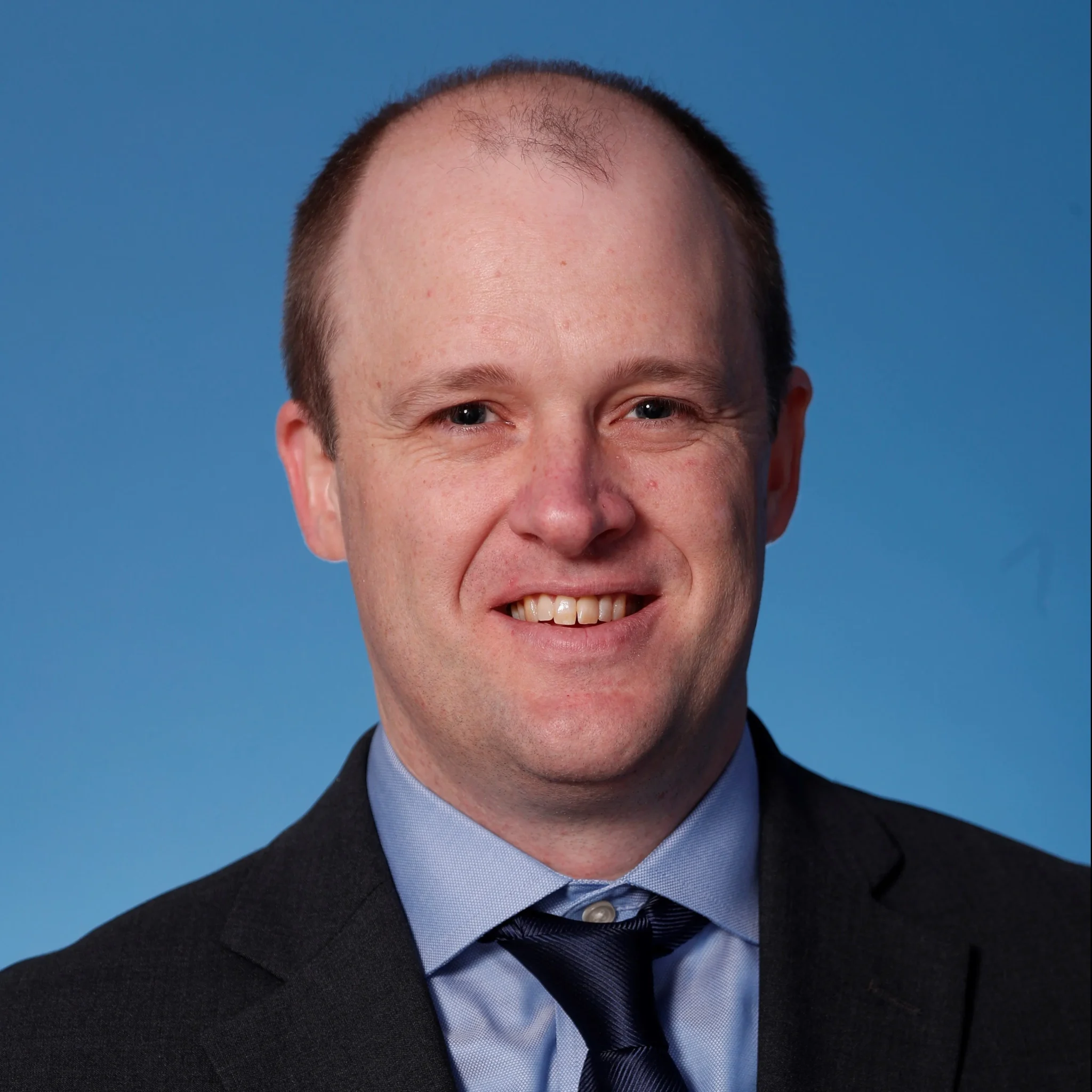
Chris Meserole, Executive Director at Frontier Model Forum
Chris Meserole is the Executive Director of the Frontier Model Forum and an expert on AI safety, international governance, and global cooperation. He is currently focused on the development of standards and best practices for AI safety and evaluation, particularly for advanced models whose capability profile remains unknown.
Prior to the Frontier Model Forum, Chris served as Director of the AI and Emerging Technology Initiative at the Brookings Institution and a fellow in its Foreign Policy program. Established in 2018, the Initiative has aimed to advance the responsible governance of AI by supporting a wide range of high-profile efforts across Brookings, from research on the impact of AI on bias and discrimination to its implications for global inequality and democratic legitimacy.
In his own work, Meserole has worked extensively on safeguarding large-scale AI systems against the risks of accidental or malicious use. Among other efforts, Meserole has co-led the first global multi-stakeholder group on recommendation algorithms and violent extremism for the Global Internet Forum on Counter Terrorism; published and testified on the challenges posed by AI-enabled surveillance and repression; and organized a US-China track 2 dialogue on AI and national security, with a focus on AI safety and testing and evaluation. As a member of the Christchurch Call Advisory Network, he also opened the session on algorithmic transparency at the 2022 Christchurch Call Leadership Summit chaired by President Macron and Prime Minister Ardern.
Meserole has a background in interpretable machine learning and computational social science. He has regularly advised high-level government, industry and civil society leaders and his research has appeared or been featured in the New Yorker, New York Times, Foreign Affairs, Foreign Policy, Wired, and other publications.
“We’re excited to work together with other leading companies, sharing technical expertise to promote responsible AI innovation. We’re all going to need to work together to make sure AI benefits everyone.”
Kent Walker, President, Global Affairs, Google & Alphabet
“Companies creating AI technology have a responsibility to ensure that it is safe, secure, and remains under human control. This initiative is a vital step to bring the tech sector together in advancing AI responsibly and tackling the challenges so that it benefits all of humanity.”
Brad Smith, Vice Chair & President, Microsoft
“Advanced AI technologies have the potential to profoundly benefit society, and the ability to achieve this potential requires oversight and governance. It is vital that AI companies–especially those working on the most powerful models–align on common ground and advance thoughtful and adaptable safety practices to ensure powerful AI tools have the broadest benefit possible. This is urgent work and this forum is well-positioned to act quickly to advance the state of AI safety.”
Anna Makanju, Vice President of Global Affairs, OpenAI
“Anthropic believes that AI has the potential to fundamentally change how the world works. We are excited to collaborate with industry, civil society, government, and academia to promote safe and responsible development of the technology. The Frontier Model Forum will play a vital role in coordinating best practices and sharing research on frontier AI safety.”
Dario Amodei, CEO, Anthropic
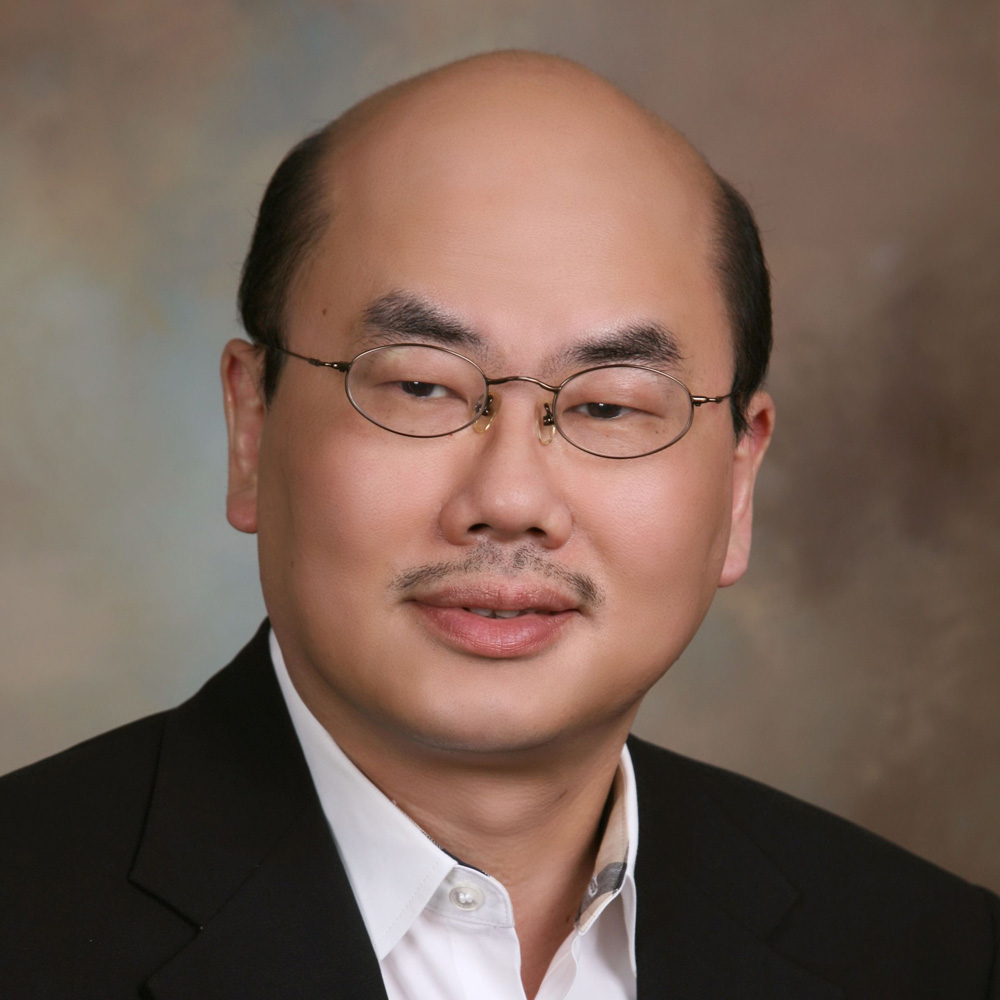
Edy S. Liongosari, Accenture’s Chief Research Scientist and Managing Director
Edy S. Liongosari is Accenture’s Chief Research Scientist and Managing Director. He is responsible for the agenda and outcomes of Accenture Labs – Accenture’s technology R&D organization — with the objective of shaping the future with breakthrough technologies through applied R&D. The Labs’ is engaged in an extensive range of technology areas from artificial intelligence, robotics, cyber security to smart materials.
Edy has been a key member of the Accenture technology leadership team for over three decades, during which time he has garnered extensive experience in various technology domains such as Internet of Things, Cloud and Edge Computing, Artificial Intelligence and Software Engineering. His expertise spans diverse verticals such as Life Science, Defense, and Industrial Engineering, across multiple geographies most notably the US, Europe, and India.
Edy is a Fortune Connect Fellow and holds dozens of patents across the globe. He and his team have received numerous awards for innovation. A copy of his research work has also been placed into the Smithsonian’s permanent research collection.

Fumihiro Maruyama, Researcher at Standardization Promotion Center, National Institute of Advanced Industrial Science and Technology (AIST). Convenor of SC 42/WG 4 Use Cases and Applications
Dr. Maruyama is an invited fixed-term researcher at Standardization Promotion Center, National Institute of Advanced Industrial Science and Technology (AIST), Tsukuba, Japan. He is also a special adviser on AI education at Chuo Computer & Communication College Group (CCG). He has been serving as convenor of ISO/IEC JTC 1/SC 42/WG 4 (AI use cases and applications) since the establishment of SC 42 in 2018. Before joining AIST and CCG, he worked for Fujitsu Laboratories Ltd., Kawasaki, Japan, where he was engaged in research and development of CAD, AI, and CRM solutions and served for four years as managing director of Fujitsu Laboratories of Europe, London, UK.
Dr. Maruyama received his B.S. degree in Mathematical Engineering and Dr. of Engineering degree in Information Engineering from the University of Tokyo. He was awarded the IPSJ (Information Processing Society of Japan) 20th Anniversary Best Paper Award and the Prof. Motooka Commemorative Award. He is a member of IEEE, IPSJ, the Institute of Electronics, Information and Communication Engineers of Japan, the Society for Serviceology, and the Japanese Society for Artificial Intelligence, where he served as executive vice president and auditor for four years and received Distinguished Service Award

Gary J. Sullivan, Director of Video Research and Standards at Dolby Laboratories
Gary J. Sullivan is a Director of Video Research and Standards at Dolby Laboratories. He has been a chair and co-chair of various video and image coding standardization activities in ITU-T VCEG, ISO/IEC MPEG, ISO/IEC JPEG, and in their joint collaborative teams since 1996, and since 2021 he has been the chair of ISO/IEC JTC 1 Subcommittee 29, the parent organization of JPEG and MPEG. He has led the development of the Advanced Video Coding (AVC) standard (ITU-T H.264 | ISO/IEC 14496-10), the High Efficiency Video Coding (HEVC) standard (ITU-T H.265 | ISO/IEC 23008-2), the Versatile Video Coding (VVC) standard (ITU-T H.266 | ISO/IEC 23090-3), the various extensions of those standards, and several other standardization projects. He was previously at Microsoft Corporation where he was also the originator and lead designer of the DirectX Video Acceleration (DXVA) video decoding feature of the Microsoft Windows operating system. Before Microsoft, he was the Manager of Communication Core Research at PictureTel Corporation, the leading video conferencing company at the time.
The standardization projects that Sullivan has led have been recognized by three Emmy Awards. As an author, his publications have been cited more than 50,000 times in scholarly works, according to Google Scholar. He has received the SMPTE Digital Processing Medal, the IEEE Masaru Ibuka Consumer Electronics Award, the IEEE Consumer Electronics Engineering Excellence Award, two IEEE Trans. CSVT Best Paper awards, the INCITS Technical Excellence Award, the IMTC Leadership Award, and the University of Louisville J. B. Speed Professional Award in Engineering. He is a Fellow of the ACM, IEEE, SMPTE, and SPIE.

Harm Ellens, Director of AI Advisory Services
As a Director of AI Advisory Services, Harm works with public, private, and government organisations across the Asia-Pacific region to create and implement AI-driven enterprise solutions and digital transformation strategies. With over 20 years of experience in evaluating, developing, sourcing, deploying, and assessing AI systems, he has a deep understanding of the technical, ethical, and business aspects of AI.
His mission is to enable responsible, ethical, sustainable, and conversational AI that benefits all stakeholders.
Harm is the co-chairperson of ISO/IEC SC42 WG 3, where he coordinate the development of international AI trustworthiness standards and roadmaps, and a Working Group Convenor of AS IT-43 that adapt international standards to the Australian context and provides input into the strategic direction of the Australian contribution to the global standards development. He is project editor for ISO/IEC TR20226 – Environmental sustainability aspects of AI systems.
He is passionate about sharing my AI expertise and insights with various stakeholders, including academia, government, professional associations, consumer advocacy groups, and industry conferences.
Harm is the chairperson of the Industry Advisory Advisory committee at the School of Mathematics of Melbourne’s RMIT and the Vice-President on the boards of Asperger’s Victoria and the Cruising Yacht Association of Victoria.
Khoa Le, Seasoned Machine Learning Specialist
Khoa Le is a seasoned Machine Learning Specialist, with over two decades of experience in quantitative analysis, advanced computational analytics, Artificial Intelligence (AI), and Machine Learning (ML). Khoa holds a Bachelor’s degree in Actuarial Studies and Commerce, as well as a Masters in Finance from the prestigious Australian National University, supplementing his proficiency in complex AI and ML algorithm development.
Since embarking on his journey in 2007, Khoa has excelled in developing cutting-edge machine learning algorithms tailored for sectors like finance and healthcare. As the CEO and co-founder of Eyes of AI, Khoa’s remarkable contributions focus on enhancing the accuracy and efficiency of computer vision systems for X-ray analysis. His expertise has revolutionised the healthcare industry, enabling more precise and timely diagnostics through AI-driven imaging solutions.
Lee Wan Sie, Director for Data-Driven Tech at Singapore’s Infocom Media Development Authority
Lee Wan Sie is Director for Data-Driven Tech at Singapore’s Infocomm Media Development Authority. In the area of AI, her responsibilities include driving Singapore’s approach to AI governance, growing the trustworthy AI ecosystem in Singapore and collaborating with governments around the world to further the development of responsible AI.
She is also responsible for encouraging greater use of emergent data technologies, such as privacy enhancing tech, to enable more trusted data sharing in Singapore. Wan Sie has extensive experience in technology use in the public sector – prior to her current role, she developed Singapore’s strategies for Digital Economy and Smart Nation, enabled tech experimentation and innovation as head of IDA Labs, and implemented government digital services that helped Singapore become one of the easiest places in a world to do business.
Outside of Singapore, she has worked with governments around the world in their national digitalisation efforts. Wan Sie actively supports Women in Tech in Singapore, to encourage young women to take up a career in technology.

Maxime Rosello, Technology Strategist at HP Inc.
Maxime is a computational physics researcher by training and started working at HP Inc as a mechanical engineer on large format printers. After working as the Chief Technologist for France at HP, he recently started a position as Technology Strategist to contribute to drive business vision and future product roadmap in the Hybrid Systems business unit. Aside from this job, he is the co-convenor of IEC/ISO joint Standard Evaluation Group 15 about Metaverse.
Nobuhiro Hosokawa, AI Quality Engineer, Manager in IBM Research Tokyo. Secretary of SC 42/WG 4 Use Cases and Applications
Mr. Hosokawa is working at IBM Research Tokyo. He mainly focused on AI Quality, Testing for, AI for Code (Modernization), and general software engineering area. Especially with experience of software risk management, incident management, rescue work for lots of project in financial domain.
Also Hosokawa is working as part time software science teacher of Waseda University in Japan.

Olivier Blais, co-founder and VP of Decision Science at Moov AI
Olivier is the co-founder and VP of Decision Science at Moov AI, a leading consulting firm in data valorization and artificial intelligence in Canada. He oversees both internal and external innovation to deploy applied AI solutions. His personal goal is to guide companies in deploying high-quality AI solutions that enhance decision-making.
In 2023, he was appointed as the Chair of the ISO/IEC JTC 1/SC 42 Canadian Mirror Committee on artificial intelligence by the Canadian Standards Council. He is also Project Editor of the ISO/IEC 25058 standards on guidance for quality evaluation of artificial intelligence (AI) systems.

Ruiqi Li, Chair of IEEE Computer Society/ Knowledge Engineering Standardization Committee
Dr. Ruiqi Li is from China Electronics Technology Standardization Institute, focused on standardization of artificial intelligence and intelligence manufacturing. He is the Chair of IEEE Computer Society/ Knowledge Engineering Standardization Committee, the editor of ISO/IEC 5392 Information Technology-Artificial Intelligence-Knowledge Engineering Reference Architecture and ISO/IEC TR 30172 Digital Twin – Application Cases. In addition, he serves as the chair of IEEE Knowledge Graph Working Group and IEEE Knowledge Graph Evaluation Working Group.
Shrikant Bhat, Senior Principal Scientist at Bangalore
Shrikant Bhat is a Senior Principal Scientist working with ABB Corporate Research Center at Bangalore, India. He holds PhD degree in Chemical Engineering. His primary focus area is Industrial Optimization and use of AI for the same. He has over 25+ publication and 15+ first filings to his credit. He has led digitalization initiatives within ABB and has also led standardization activities within IEEE focused on Industrial AI. His ongoing work is focused on disruptive innovation in the area of Industrial Automation.
Inspired by the work in ISO 5339, he also wrote a book “Contextualizing Spirituality: Breaking the Time Cycle” ( https://a.co/d/htswrhH). This was primarily triggered by the relevance of “Context” in understanding “Intelligence” of any kind – Natural or Artificial.

Silvio Dulinsky, Deputy Secretary-General, International Organization for Standardization (ISO)
Deputy Secretary-General at ISO – International Organization for Standardization
1972, Brazilian / Spanish / Swiss
Business Administration, University of São Paulo. Further education at IESE, IMD and Stanford.
1997-2010, LafargeHolcim, senior executive positions in Switzerland and Brazil; Member of the Board of Directors in invested companies across Latin America.
2010, INYPSA Engineering, Spain, Corporate Director.
2013-2021, World Economic Forum, Member of the Executive Committee in Switzerland, responsible for private sector in Latin America, Europe and Eurasia, global corporate governance insight area and Climate Governance Initiative.
Since August 2021, Deputy Secretary-General at ISO.

Stefano Sedola, Founding Partner, Stratejai – AI Strategic Consulting
With a distinguished career spanning over two decades, Stefano Sedola stands at the forefront of AI strategy and public administration reforms. As the founding partner of Stratejai, a renowned AI strategic consulting firm, Stefano has dedicated his career to advancing AI systems for the greater good, with particular focus on beneficial AI and in particular healthcare.
His expertise in guiding countries through transformative structural and policy reforms is noteworthy. Stefano has advised several governments within the European Union and third countries, imparting his knowledge in developing and implementing reforms in various sectors.
A key area of Stefano’s expertise is healthcare, where he has been instrumental in integrating AI to revolutionize this sector. As a member of the GAIA X healthcare working group and a founding member of the European healthcare data innovation council, he has been at the forefront of leveraging AI for healthcare advancements.

Stephen K. Kwan, Director on the board of American National Standards Institute (ANSI)
Dr. Stephen K. Kwan is a director on the board of American National Standards Institute (ANSI). He is the editor of ISO/IEC CD TR 5259-6 Visualization framework for data quality and ISO/IEC AWI TR 21221 Beneficial AI systems in ISO/IEC JTC1 SubCommittee 42 Artificial Intelligence.
He also serves on working groups in ISO’s Committee on Consumer Policy (COPOLCO), ANSI’s Committee on Education, ISO Council, International Policy Advisory Group, and Consumer Interest Forum. He retired from being the Associate Dean of Graduate Programs and Lucas Professor of Service Science in the Lucas College and Graduate School of Business at San José State University.
As a Professor Emeritus he is still actively involved in research in Service Science, Management, Engineering, and Design (SSMED), global E-Commerce, service standards and standardization. He is also a fellow of the International Society of Service Innovation Professionals (ISSIP). He had published in the areas of Service Science, Queueing Systems, Database Management, E-Commerce, Service Standards, Standards Education and Standards Policy. He received a B.S. and M.S. in Computer Science from the University of Oregon, and a Ph.D. in Management from UCLA.

Tatjana Evas, Legal and Policy Officer at European Commission (DG CNECT)
Dr. Tatjana Evas is a Legal and Policy Officer in the European Commission (DG CNECT) in the unit responsible for AI Policy Development and Coordination. She is one of the lead drafting and negotiating team members of the Commission proposal for the AI Act. She is responsible for the ongoing work on the development of AI standards and conformity assessment, market surveillance, cybersecurity and liability as well as relationship of AI Act proposal with the sectoral legislation, in particular, on medical devices and automotive.
Tatjana is also responsible for international collaboration on AI in G7 and the OECD where she is a vice-chair of the OECD Working Party on Artificial Intelligence Governance (AIGO). Tatjana holds a PhD in law from University of Bremen (Germany). Before joining European civil service in 2015, Tatjana had extensive professional experience in academia and in non-governmental sector.

Thomas Bause Mason, Director of Standards Development for the SMPTE
Thomas Bause Mason is the Director of Standards Development for the Society of Motion Picture and Television Engineers (SMPTE). At SMPTE he is responsible for maintaining the standards development process and the technical infrastructure for both the standards community and SMPTE HO.
Bause Mason, formerly owner of Open Media Consulting, began his career in Cologne, Germany, as a computer programmer for automation software in the nuclear and automobile industries. Before his move to Los Angeles, Bause Mason worked at West German Television (WDR) and Cologne Broadcasting Center (CBC). At CBC he led the quality control department. In Los Angeles, he became a postproduction consultant and then built and managed the encoding operations for Ascent Media. Joining NBC Universal in 2005, he focused on emerging technology, spending two years in London to support the company’s international business.
Throughout his career, Bause Mason has assisted industry organizations in the development of standards, technical recommendations, and study group reports in various SDOs and industry organizations. He has a master’s degree equivalent in Media Technology, holds several patents and is a SMPTE Fellow.
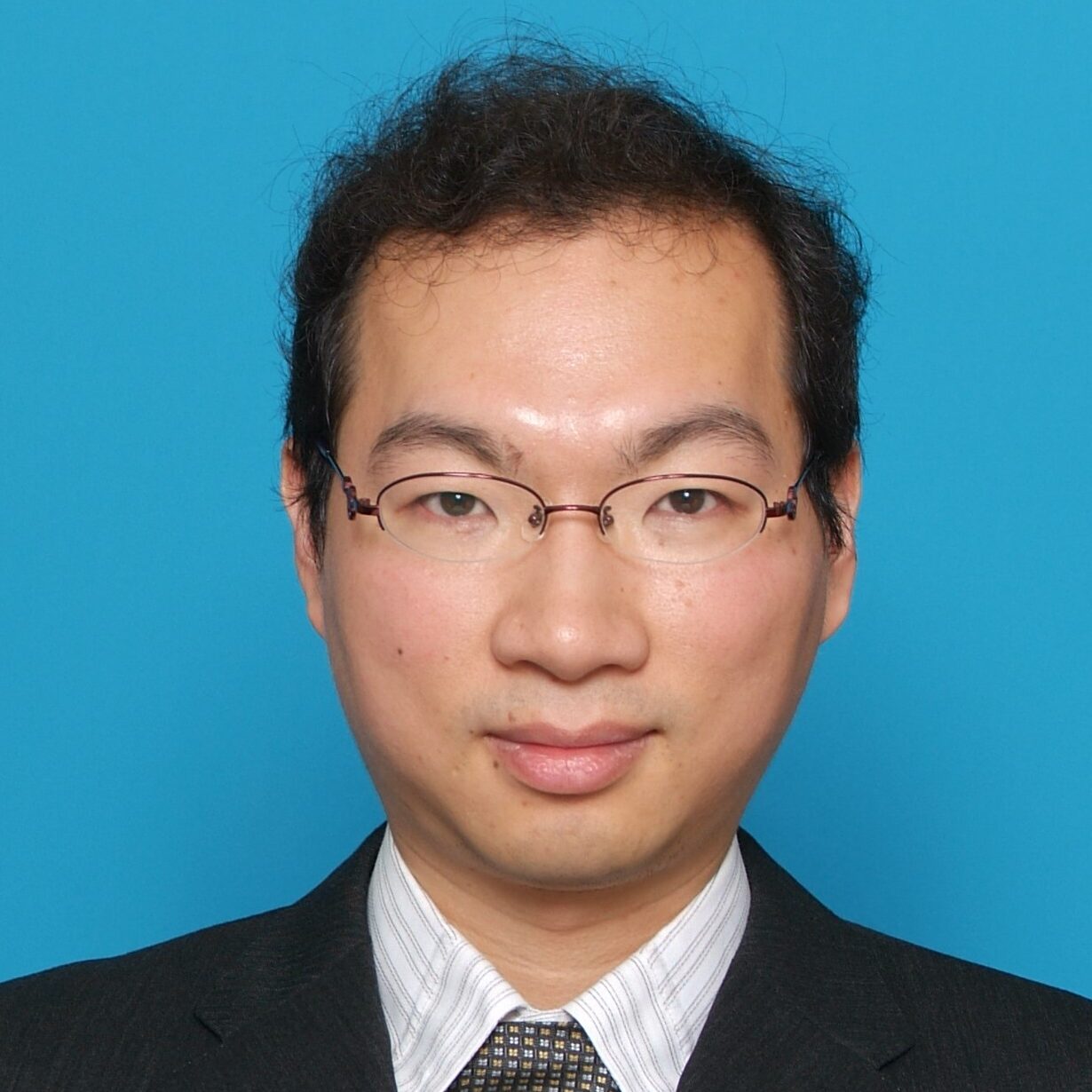
Yuchang Cheng, Senior research manager of AI trust research centre at Fujitsu Limited
Yuchang Cheng is a senior research manager of AI trust research centre at Fujitsu Limited.
His Fujitsu responsibilities are leading the standardization activities of AI, as well as leading the researches of AI trust. In addition, he is a delegate of Japan national body in ISO/IEC JTC 1/SC 42, as well as the expert
of SC 42’s working groups.He is leading the development of the following international standard projects as the project editor:
ISO/IEC 5338 (AI system life cycle processes)
ISO/IEC TR 24030 (Artificial Intelligence (AI) — Use cases);
Moderators
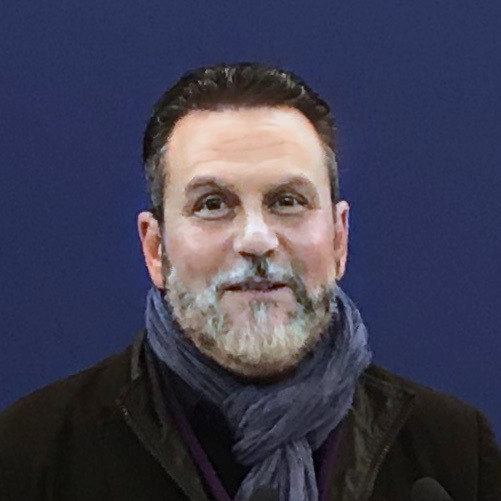
Norbert Bensalem, Technical Relation Executive IBM France
Overview
Over 22 years’ experience in ICT industry, including more than 10 years focusing on Sales and Customer Relationship & Satisfaction. Previous experience in the pharmaceutical industry with a strong focus on processes consolidation
and standardization.
Standardization involvement
Member of AFNOR and ISO/IEC JTC1 since June 2011
Roles
2016- present, AFNOR
• Chairman of the French JTC1 mirror committee GCTI
• Head of the French delegation in international meetings
• Member of an AFNOR steering group COS ICN Information et Communication Numérique
2018- present, ISO/IEC JTC 1 SC 42
• IEC ACOS TF On Collaborative safety rep
• Workshop series committee member
2020- present, ISO/IEC JTC1
• IEC SEG 13 Consortia rep
2014- present, ISO/IEC JTC1
• JTC1 PAS Mentor (OASIS,W3C,GS1, TOG)
2016- present, ISO/IEC JTC1
• JTC1 AG 14 Systems Integration Facilitation (SIF) Convenor
2014-2015, ISO/IEC JTC1
•Member of ISO/TMB SAG on Smart Cities
2011- present ISO/IEC JTC 1
• Technical contributor to several ISO/IEC JTC1 SCs
(SC27 Security, SC38 Cloud & SOA, SC 41 IoT & Digital twin, SC 42 AI, WG 11 Smart Cities)

Peter Deussen, Microsoft National Standards Officer
Peter Deussen assumes the position of the Microsoft National Standards Officer for Germany. In this capacity, he is one of the chairs of the German DIN Committee for Artificial Intelligence.
Peter is Editor of various International Standards, including specifications on Risk Management for Artificial Intelligence, and Artificial Intelligence Impact Assessment. Peter is active in various European and international standardization committees, including ISO/IEC JTC 1, its subcommittees SC 27, SC 38 and SC 42, and CEN-CENELC/JTC 21.
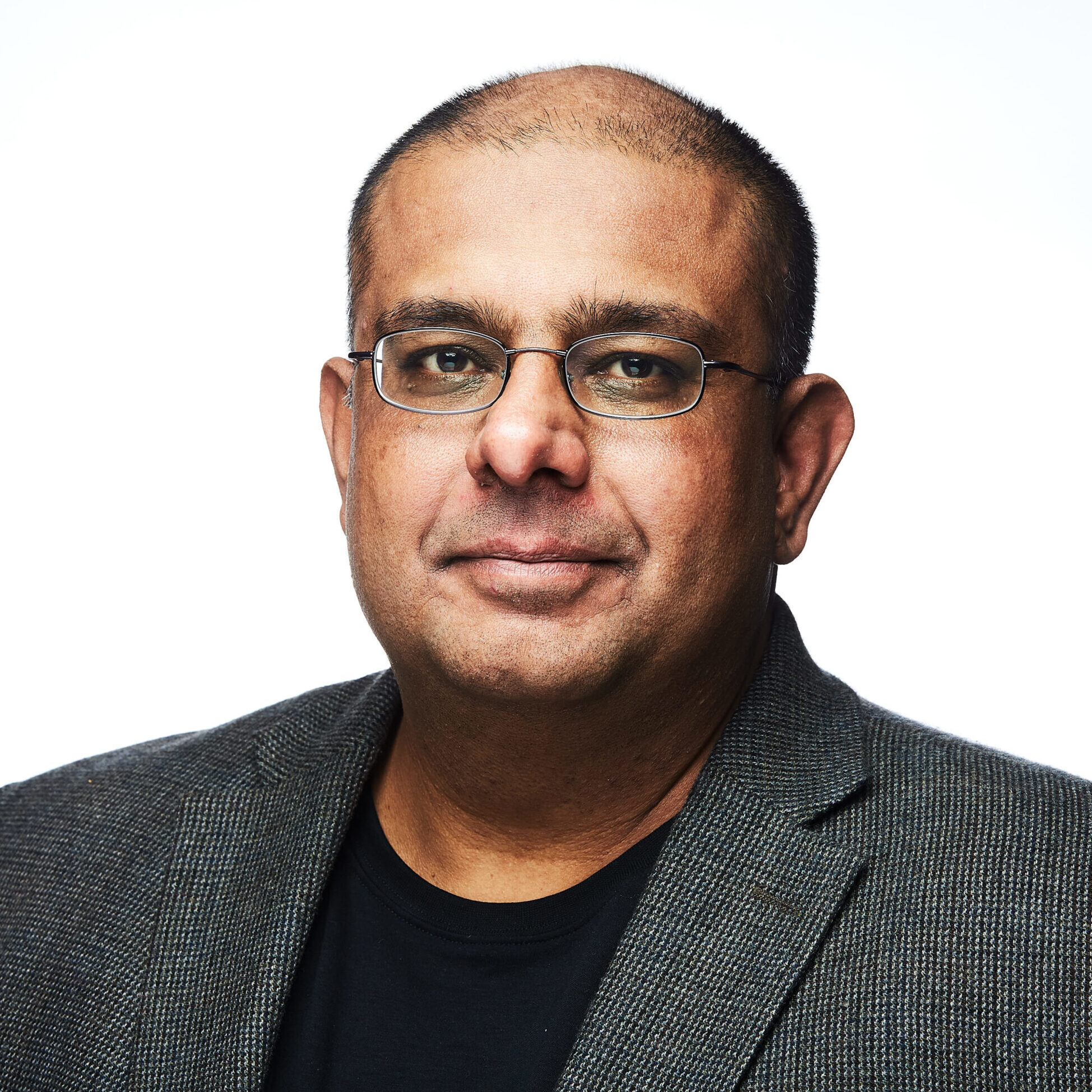
Rohit Israni, CEO CertientAI and Chair INCITS/AI
Rohit is the founder and CEO of CertientAI. He is also the Chair AI Standards for the US national body responsible for developing US positions and contributions to international AI standards being developed by ISO/IEC (ISO/IEC JTC 1/SC 42). He is the liaison for SC 42 with the Organization of Economic Cooperation and Development (OECD). Prior to founding CertientAI, he led Intel’s global scale ecosystem enabling programs in the Developer Relations Division for AI, Datacenter and Network, of which he co-founded the AI partnership program (Intel AI Builders). Here, he built and led a large global team of business development professionals and application engineers chartered with developing partnerships with AI ISVs, SIs, OEMs, CSPs and AI university programs world-wide.
Rohit earned a Masters’ degree in Engineering with a specialization in Robotics and AI from Tulane University. He also holds a Master’s degree in Management Science & Engineering from Stanford University where he was a part of the Stanford Technology Ventures Program.

Wael William Diab, Chair of ISO/IEC JTC 1/SC 42 (Artificial Intelligence)
Wael William Diab is a business and technology strategist with more than twenty years of executive experience at Fortune 500 companies in Silicon Valley. He is a prolific inventor with more than 900 patents to his name in the ICT field and an industry recognized expert on digital transformation. Skilled in leadership for breakout technology, Diab has architected strategy, driven industry-wide initiatives, cultivated partnerships, identified M&A